What do we do?

The Software Sustainability Institute provides a range of services to help you introduce software into your research or improve the software you already use.

Collaborative projects

HumanPyramidSq.jpgWe can work with you on collaborative projects to improve the usability of software (documentation, installation, integration and performance) or the software's quality and maintainability (test coverage, software refactoring, migration to new infrastructure). Short projects can draw on our resources to work on these improvements, and for longer or more extensive projects, we can assist you in identifying and applying for funding.

JournalTOCs is a good example of one of our short, collaborative projects. JournalTOCs allows a user to search the tables of contents of over 14,000 online journals and other publications. We conducted a usability survey of the JournalTOCs website, advised on how to compete against commercial offerings and documented the services that the site offered for developers. If you are interested in this work, you can read the review we prepared for the JournalTOCs project.


Consultancy

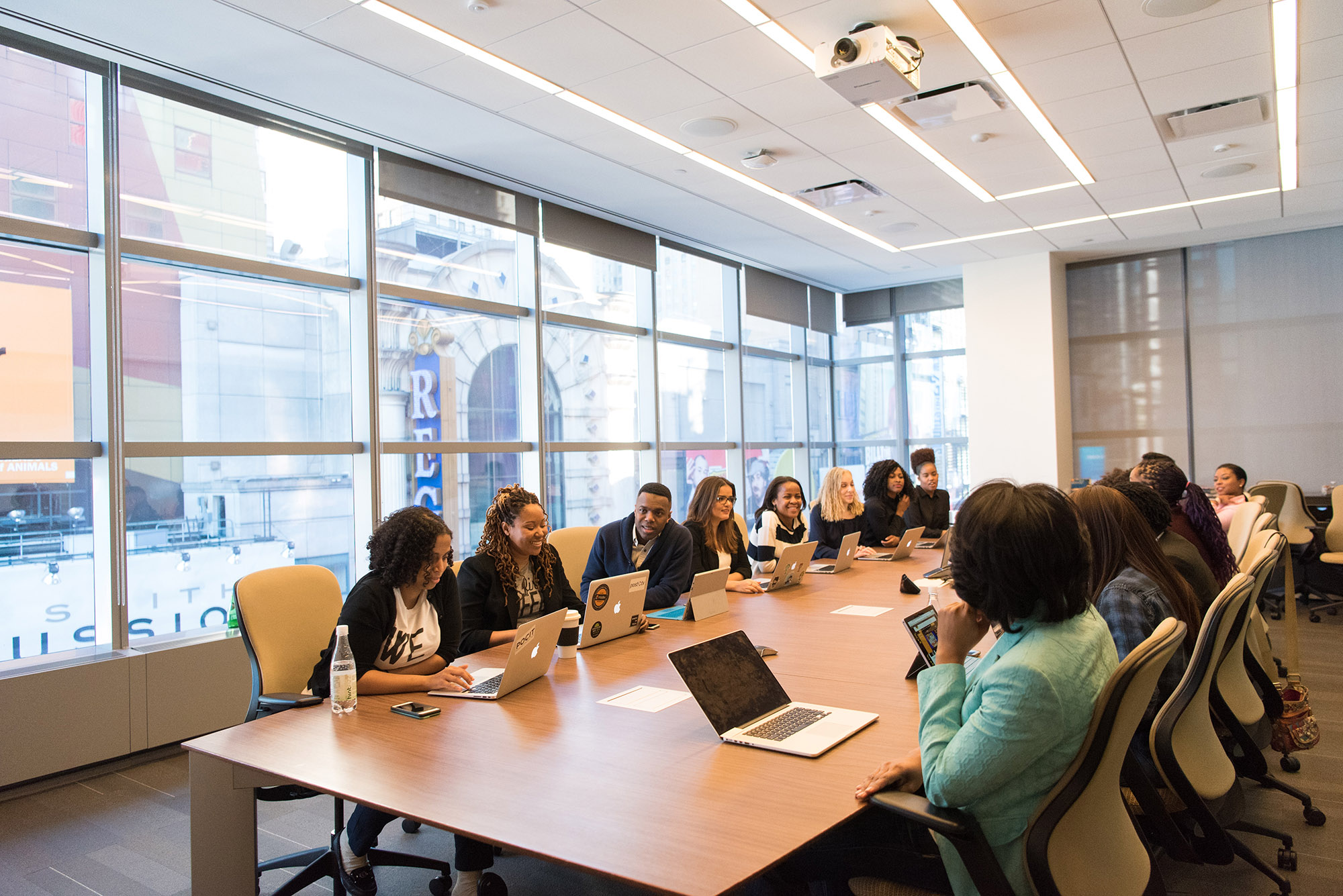
Meeting.jpgWe can work with you to explore sustainability issues with your software. Analysts from the Institute will meet with your group and discuss your project to identify issues and discuss solutions. This will typically result in a set of recommendations, and may lead to a collaborative project. Our advice can cover: software evaluation and analysis, the software development process, community engagement and publicity.

An example would be our engagement with Curtis+Cartwright on a study of software preservation and sustainability.


Software evaluation

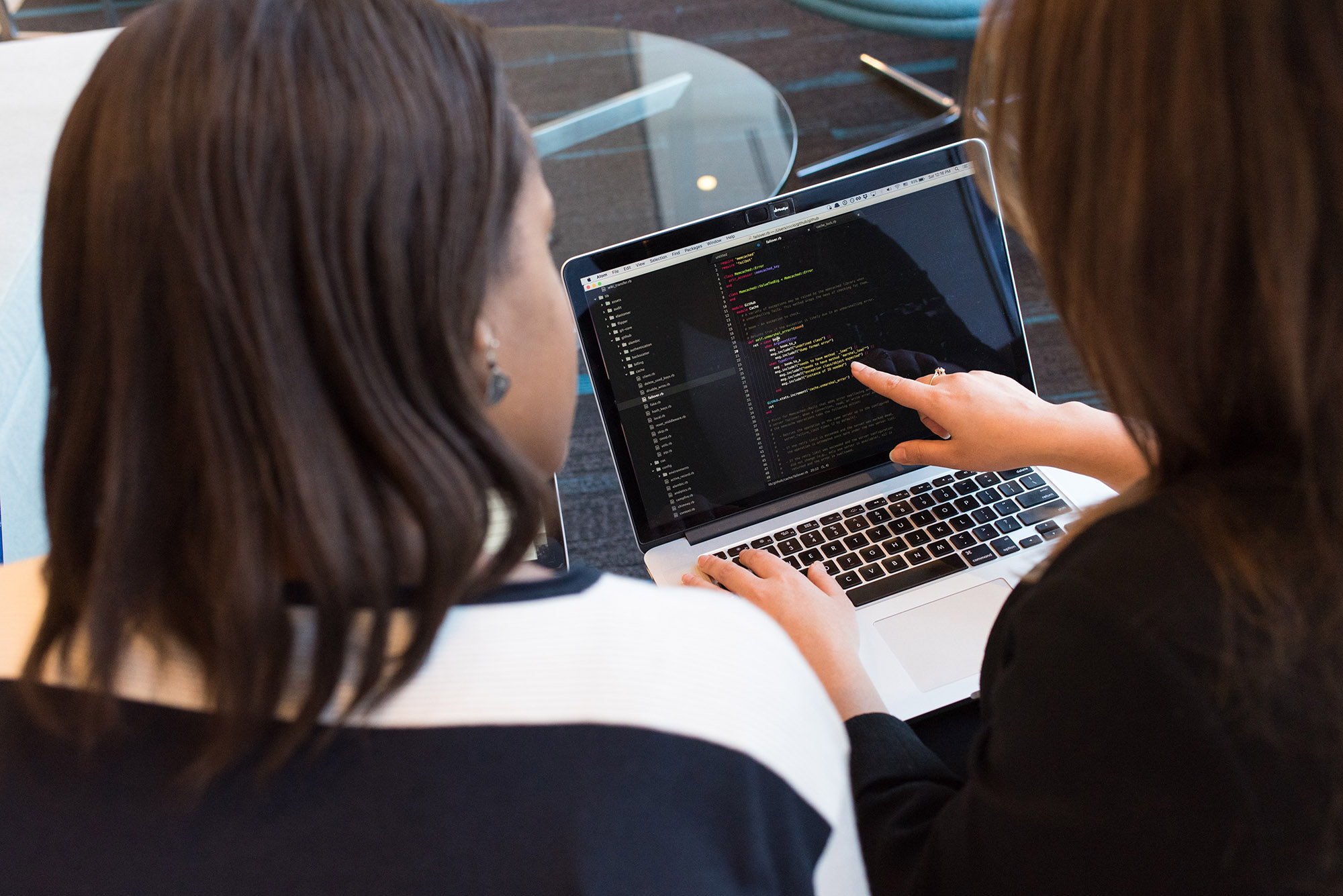
LaptopAngelSq.jpgOur software evaluation service can help you to improve your software. It can assess the general usability and identify technical or development issues, as well as any barriers to sustainability. Our process for preforming a software evaluation is completely open, and can be found in our software evaluation guide.

Tutorial-based evaluation provides a pragmatic evaluation of software usability in the form of a reproducible record of experiences. This allows a develop a practical insight into how the software is approached and any potential technical barriers that prevent adoption.

Criteria-based assessment is a quantitative assessment of the software in terms of sustainability and maintenance, functional characteristics and usability. This can inform high-level decisions on specific areas for software improvement.


Collaborations Workshop

LectureTheatreSq.jpgThe Collaborations Workshop is a two-day workshop that brings together researchers and software developers, so that they can share information, network, solve problems and start new collaborations. It is a completely flexible workshop in which delegates control what they talk about and what they work on.


AskSteve!

AskSteveTeamSq.pngWhenever we have a software problem, we simply ask Steve. He’s one of our in-house software architect and an all-round guru of code. This got us thinking that it’s selfish to keep such a valuable resource to ourselves. And that’s when the idea for the AskSteve! blog was born.

What is Ask Steve? You can asksteve [at] software [dot] ac [dot] uk (email AskSteve!) with all your software troubles and queries. Every couple of weeks, Steve will work on a problem and post his answer to the blog. You can comment, try out the solution or simply get back with another question.


Resources

ResourcesSq.pngWe create resources to provide help with the issues that surround software, research and sustainability.

Our series of Guides covers subjects that are important to software and research, such as developing maintainable software, choosing the right open-source software for your project, or you might even be interested in our anti-guide how to frustrate your users, annoy other developers and please lawyers.

We've detailed the main approaches to sustainability through our work with Curtis+Cartwright consultancy, which also led us to create a series of sustainability briefing papers.

When we come across a good example of sustainability in practice, we will write about it and publish it on our case studies page. We also list all the useful resources that we find.

Our staff and our Agents travel to conferences to discover the latest news from across research disciplines. When they return from their travels, we ask them to prepare a conference report which details the highlights of the conference and the latest developments. These are published on our conference intelligence page.


Blogs

BlogSq.jpgThe Software Sustainability Institute blog covers everything that we do at the institute, the places we've been, the work we're doing and the people we've met.

The AskSteve! blog, as described above, is run by our software architect and all round software guru, Steve Crouch.


Agents

AgentNoirSq.jpgThe Agents network is a group of researchers from a wide range of fields who help keep the Institute up to date on the latest developments in their field.

The Agents travel to conferences and send us reports on the discoveries they make and the people they meet. These reports, which are published on the conference intelligence page, help us understand the research domains in which we work, and learn about the software we should be working with.


Funding

Money.jpgAlthough we do not provide funding, we can advise on how to gain funding from other organisations and we can partner with your project to bid for joint funding. If you are interested in funding, please info [at] software [dot] ac [dot] uk (let us know).