
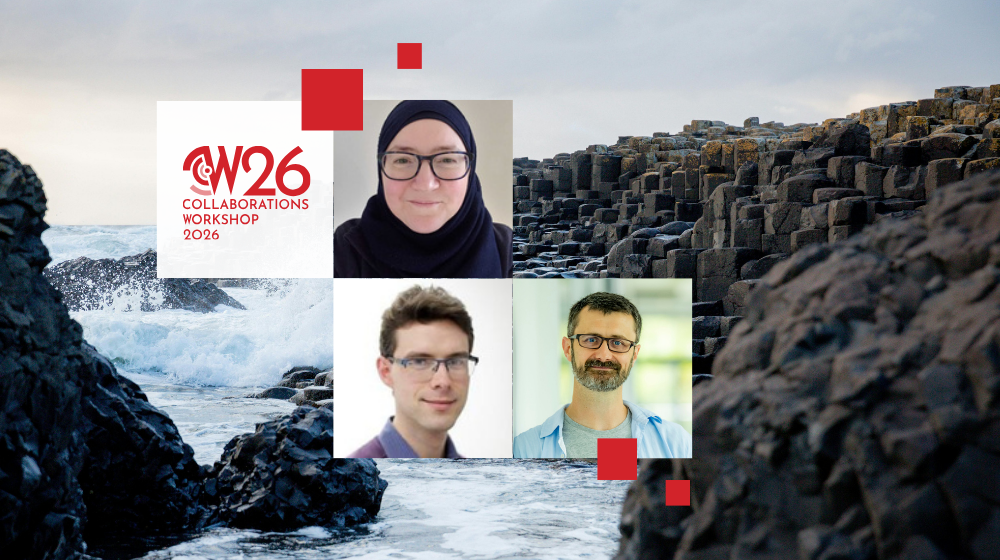
The Software Sustainability Institute's annual Collaborations Workshop (CW) is an immersive, three-day unconference, which emphasises active collaborations, dynamic discussions, and hands-on problem-solving. The highly anticipated Collaborations Workshop 2026 (CW26) is set to feature an impressive lineup of speakers and an interactive programme of sessions.
General Admission Tickets are available via Eventbrite until 31 March.
Fireside Chat: Professionalising roles and strengthening recognition in Research Software
The session will feature candid reflections from leaders shaping the field, followed by audience Q&A. We are delighted to introduce the speakers of the fireside chat:
Emma Karoune | |

| Emma works as a Principal Researcher focusing on community-led metascience research at the intersection of data science, AI and the research technical professionals ecosystem. She also leads the Research Community Management team within the Tools, Practices and Systems Research Programme at Turing, she has co-founded the RCM Cooperative and works as a community leader across multiple data science and open research communities. Emma's research focuses on building capacity in data science, including Professionalising traditional and modern data science roles (funded by a Turing Skills Policy Award), and Advancing Biomedical Data Science Careers (MRC funded). She also brings her open research and community-building skills to Turing health-focused projects including the AI for multiple long term conditions research support facility, the Clinical AI Interest Group, the Turing-RSS Health Data Lab, the DECOVID project and Scoping the future of Health-AI. Emma started her research career as a specialist in Archaeobotany with a PhD from the Institute of Archaeology, University College London. As well as her role at the Turing, Emma has been the Principal Investigator on the FAIR Phytolith Project at Historic England and in collaboration with the Universitat Pompeu Fabra funded by EOSC Life. Emma is a Software Sustainability Institute Fellow focusing on promoting a more accessible and inclusive research culture. She is also working with Elixir-UK as a FAIR Data Stewardship Training Fellow to develop training resources for FAIR data management. Emma works closely with the Open Life Science Programme as a mentor and expert. She is a steering committee member of The Turing Way (an open-source community-led guide to reproducible research), and a member of the Book Dash Working Group, helping to build resources and training for other researchers. All of her research and community building embraces an Open Scholarship approach in which she is striving to develop more open, community-led and sustainable research practices across the research ecosystem. |
Jonathan Cooper | |
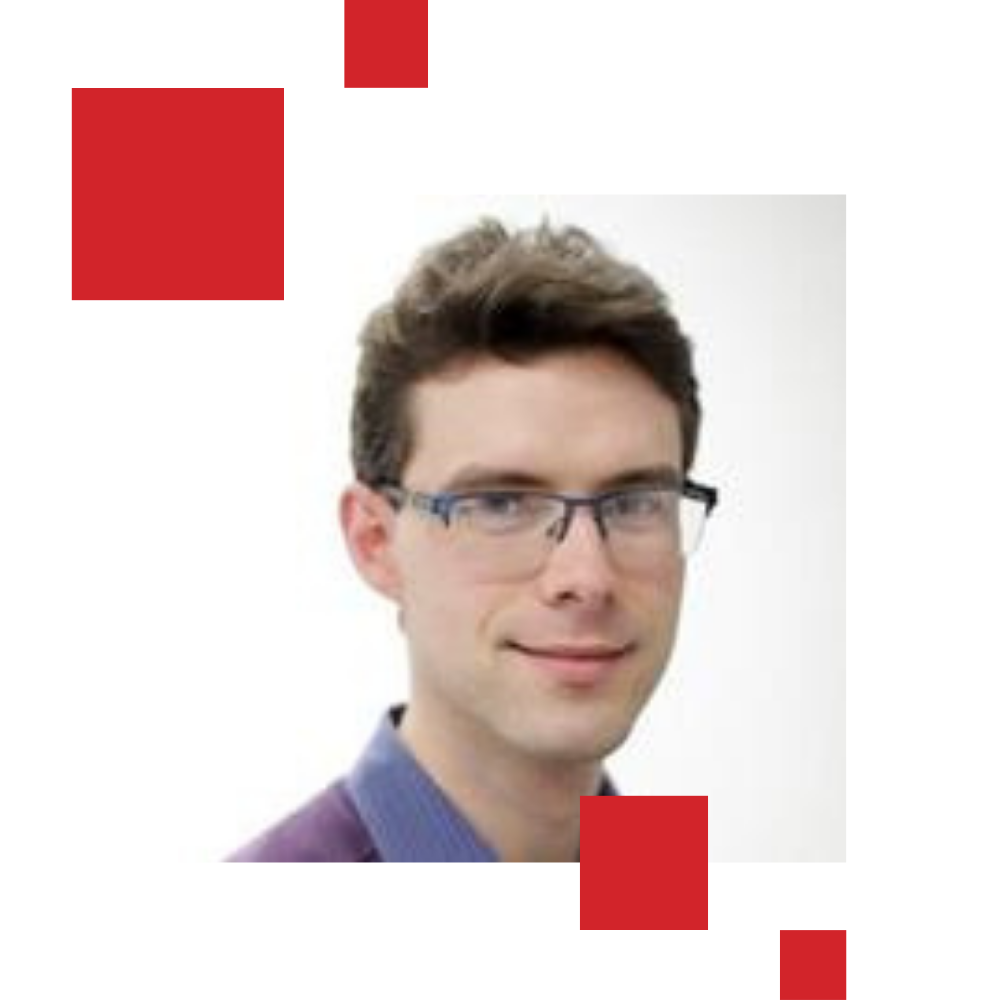
| I lead the Collaborations team within UCL's Advanced Research Computing Centre. This is a group of over 60 "Research Technology Professionals" - Research Infrastructure Developers, Research Software Engineers, Research Data Scientists, Research Data Stewards and Digital Research Managers - who combine academic research experience with technology skills. We join research teams to explore new directions and deliver projects, helping you discover and exploit computational methods to their full. Our work is not only about producing technical products on researchers' behalf; we work collaboratively, providing the tools, advice and training within a research team to enable best practice and build for the future. We are champions of reproducible open science and scholarship, while recognising that occasionally this is not possible. The Collaborations team grew out of UCL's Research Software Development Group. I took over leadership of this from its founder in 2018, having joined UCL in 2016 after 12 years as a researcher in computational physiology at the University of Oxford. There I was joint lead developer for the Chaste computational biology software, and creator of the Cardiac Electrophysiology Web Lab. I also set up and led a grass roots network for Oxford-based Research Software Developers, was co-Director of the Systems Biology Doctoral Training Centre, and lectured XML for Oxford's part-time MSc in Software Engineering. |
Simon Hettrick | |
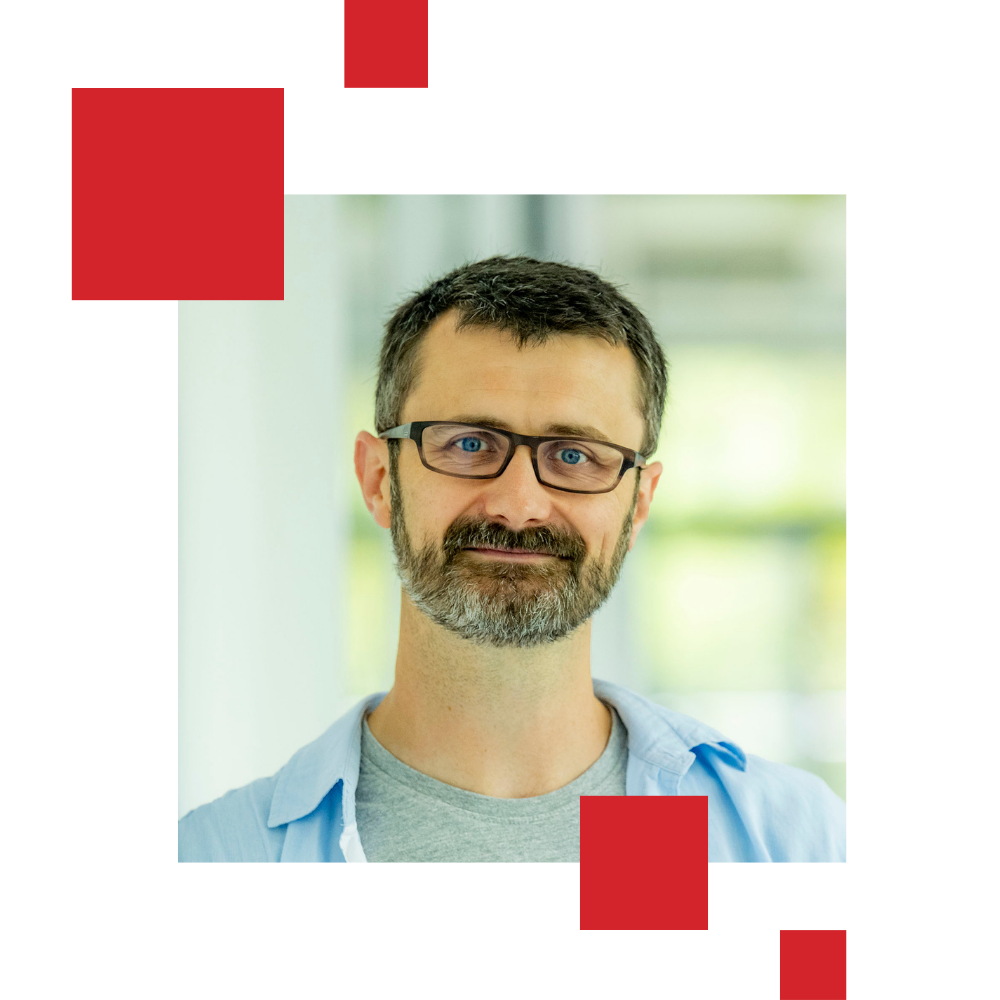
| Professor Simon Hettrick is Director of Strategy at the Software Sustainability Institute and a Director of the Southampton Research Software Group. A passionate advocate for Research Software Engineers (RSEs), Simon led the campaign that secured recognition for this community—growing it from just a handful of people in 2013 to an international network numbering in the tens of thousands. He was the founding Chair of the UK’s Association of Research Software Engineers, a founding Trustee and Treasurer of the Society of Research Software Engineering, and Treasurer of the RSE Conference from 2016 to 2019. Simon is Chair of The Hidden REF, a national campaign recognising all research outputs and every role that contributes to the success of research. In this role, he promotes a broader understanding of how people can contribute to research and his work has influenced the inclusion of all roles in the 2029 REF. He works with stakeholders across the research community to develop policies that support research software, the people who create it, and the researchers who depend on it. His research examines the use of software in research. He conducted the first study of software reliance in academic research. |