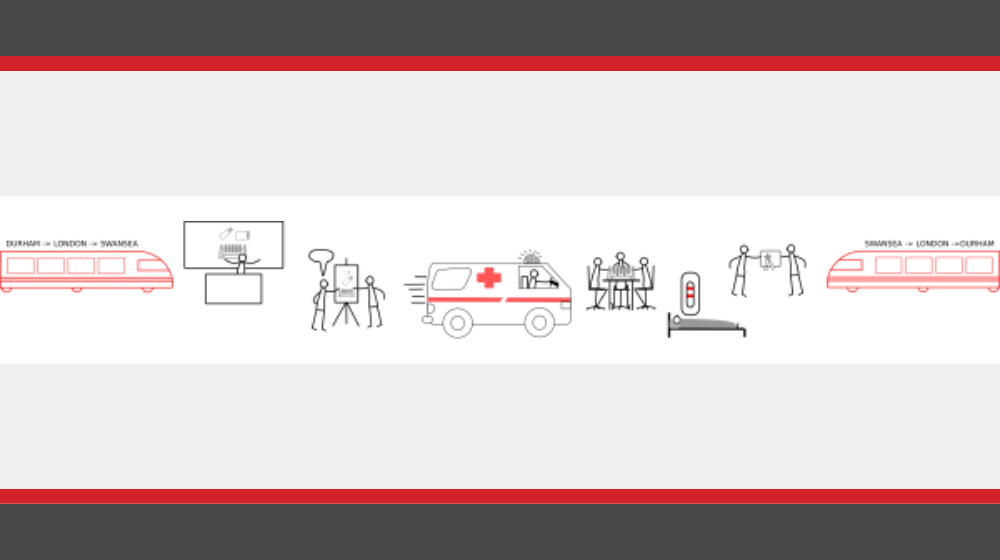
I do love RSE Conferences; this year was my fourth. But I didn’t quite expect so much to happen in such a short time as it did this year. This blog post is to serve as a story recalling the adventures of a research software engineer leading up to and attending an RSE conference and to thank all the people that made the adventure possible. Obviously, I’m the hero in my own story but I would not have been able to get anything done if it wasn’t for Colin Sauze, Ethan White, Samantha Finnigan, Frances Hutchings and Abhishek Dasgupta.
In the run up to the conference, a few things had to happen. Since I am an SSI Fellow (2022 cohort), I was still spending my Fellowship money and as part of this, I decided to build a miniHPC that can be used for training. This is an extra strand to the project in addition to the other two options, which are turning a Raspberry Pi into a server and also producing a flashdrive option that turns a laptop into a server, all to deliver Carpentries workshops without access to the Internet. With these things in mind, we the CarpentriesOffline team decided to submit abstracts to RSECon23 for a poster and a hackathon.
I never could have imagined, though, how difficult some companies make it to get educational discounts. It was impossible to get Raspberry Pi computers earlier this year, so I decided to go for Rock Pi and then made the mistake of asking for an educational discount. I had three weeks before leaving for Argentina and wanted to get as far as possible with setting up the miniHPC but, alas, it took me three weeks to get an educational discount code for a next day delivery order.
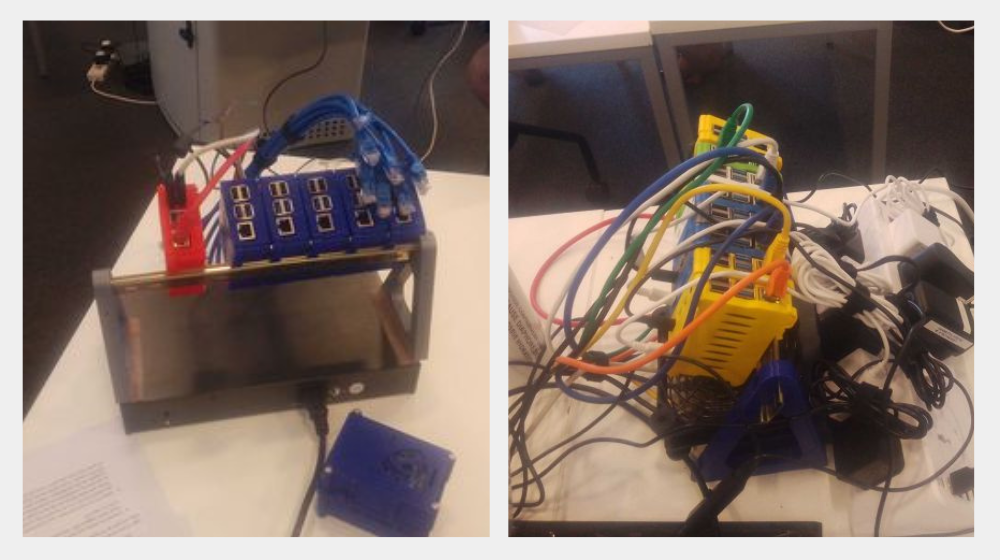
Hoping to have a working HPC if our hackathon proposal was accepted, I spent the next three weeks chasing the Rock Pi order. Not one to sit still and wait, I started getting all the Pis in my house together and built a five node HPC with 4GB Pi 4s. With the help of Sam Finnigan, we 3D printed a rack and cases for the Pi.
I was off to Buenos Aires for the Carpentries’ Executive Committee retreat at the time that the abstracts had to be submitted and had to rely on Colin to do the submissions. With the help of the rest of the team, Frances, Abhishek, Ethan and Samantha, all was done in time.
We were quite pleased when we learned that both our poster and a hackathon proposal were accepted. Over the next few months, we worked on our poster and the RPi miniHPC, which we named Pixie. I was eventually able to order the Rock Pis and all the bits that were needed for the HPC. Sam and I 3D printed some more cases, but I did not have enough time left to start installing software on it so it became one of the things on the list for the hackathon attendees to do.
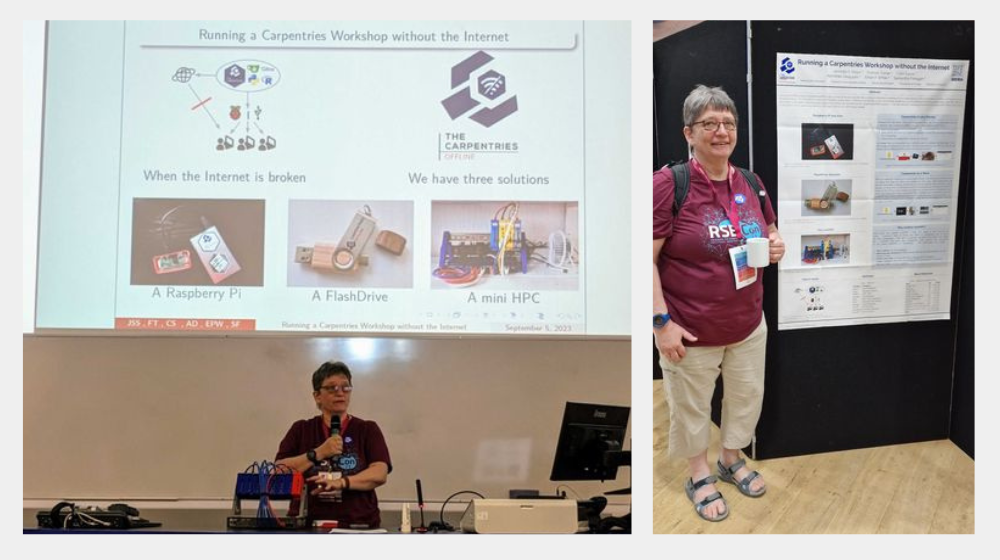
A couple of weeks before the conference I realised we were supposed to deliver a two minute poster presentation. As everyone knows, things become hectic the closer you get to a conference. A two minute presentation was the last thing on my mind. Especially since I had a poster, a hackathon, and a WorldWide session to organise. I knew what had to be said, but it wasn’t until the morning of the presentation that I actually sat down, typed out what I wanted to say and checked that it would fit into two minutes. That was also when I finally decided that I was going to make it a show and tell. I mentioned it before, but Colin thought two minutes would be way too little time to include a show and tell. However, I decided to go for it and placed a Raspberry Pi and the miniHPC under the desk before the presentations started.
I was pretty nervous, but, as usual, once you start talking, things just go as they go. I pulled out the RPi, then showed the flashdrive and finally brought out the miniHPC. At the time, I couldn’t quite sense how things went because the session chair had stood up, which meant I had 30 seconds and I was focused on finishing and getting back to my chair. But once the session was over, my colleagues seemed pretty pleased and loads of people came up to ask questions. Phew!! That was Tuesday.
Wednesday started with the hackathon. We had worksheets prepared and printed (thank you Frances) as we knew what had to be done, but it was difficult to decide just how we would go about it. So, I think we pretty much played it by ear. We told people what the things were they could work on, and then they divided themselves into groups trying to work on those things. I hope participants weren’t too disappointed. At least they managed to get hands on experience with everything that can go wrong when you work with a project like this. The time we had was a bit short, but as long as their experiences made it into the documentation, their efforts will help us a great deal.
This year, I was a member of the RSE Conference committee and I was co-chair for the WorldWide session, which was scheduled for Wednesday afternoon. Unfortunately, halfway through the session, I received an urgent call from a colleague whom I then had to escort to A&E where I spent the night to keep her company. Fortunately, all turned out fine and we are all okay. Except that Thursday morning I decided to do a Covid test… and guess what? No good deed goes unpunished! I tested positive.
At least I was able to watch the awards session on Zoom, and it was a great honour to learn that we received the best poster award and that I was chosen to receive the RSE Community award for Training and Education. My manager accepted the awards on my behalf, but he did a very bad job of looking like me. Note to manager: I’m short and chubby, not tall and handsome!
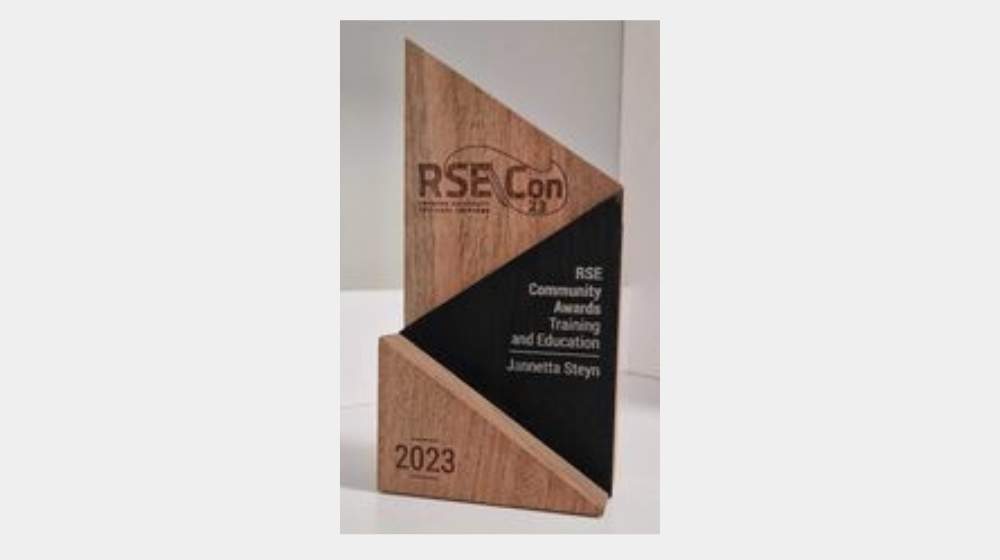
This brings me to the point where I have to thank everyone involved that led to me receiving these awards. I mentioned everyone involved in creating the poster, but they are also the people who have been putting a great deal of work into CarpentriesOffline. With regard to the Training and Education award, I obviously could not do this on my own. I have to thank the wonderful Carpentries and RSE communities, which include my colleagues, for their support and infectious enthusiasm. I have to thank the Software Sustainability Institute for the support and funding to work on CarpentriesOffline, and the RSE Society and its community for recognising our efforts and providing an environment where we can share our thoughts and ideas with like minded people while having fun doing our jobs.