


Join the Swiss Research Software Engineering (RSE) Annual Conference 2026 on 31 August 2026 at the CAB Building, ETH Zurich. This full-day event brings together RSEs from academia, research, and industry, featuring keynotes, presentations, and a poster/demo session.
Old Tag
RSE Conference
RSE Fellows
RSE community
RSE survey
RSE18
RSEConUK2019
Category
HomeNews and blogs hub
Bookmark this page
Bookmarked
Industry Skills for Software Engineering: From Evidence to a Successful Training Pilot
Industry Skills for Software Engineering: From Evidence to a Successful Training Pilot
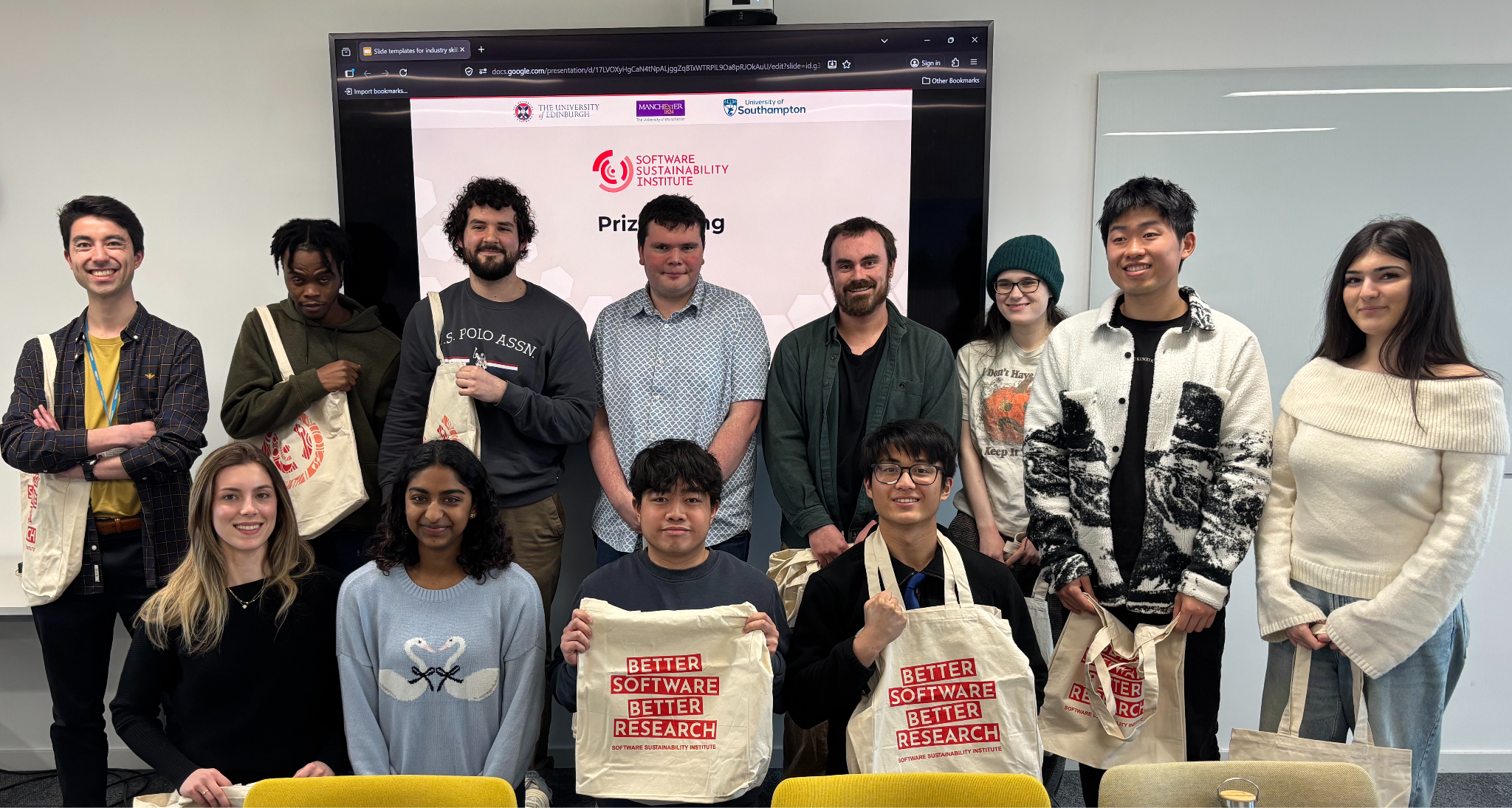
The Industry Skills Training Bootcamp, developed by the Software Sustainability Institute (SSI), addresses the skill gaps many early-career software engineers face when transitioning from study to an industry setting. The first week-long run of this in-person course was successfully piloted in March at the University of Southampton, with a cohort of both undergraduate and postgraduate students.
The curriculum is grounded in evidence from a qualitative study co-authored by Ben Thomas, Simon Hettrick, Clare Jenner (DiRAC), and Rebecca Taylor (University of Southampton), with the full report available on Zenodo. Interviews with employers and recent graduates consistently highlighted two gaps: a lack of experience applying technical skills in real-world settings, and underdeveloped professional skills such as teamwork, communication, client interaction, planning, and working within established development processes, and this course aims to target these skills gaps.
Whilst the course includes a technological and best practice component, its primary focus is to help participants put into practice their development skills within a team-based agile approach to software development. The training materials which have been developed using the Carpentries Workbench are publicly available under the Creative Commons Attribution licence, and are currently being refined prior to an official launch workshop planned for later in the year.
Our long-term aim is to offer this training as a Continuing Professional Development (CPD) programme for graduates and early-career software engineers. In the meantime, we are piloting and refining the course with undergraduate and postgraduate students to refine its content, structure, and delivery, ensuring it delivers meaningful, practical value before the wider launch.
Evidence-Based, Iterative Design Process
The course has been developed using an evidence-based and iterative approach, employing the reverse (or backward) instructional design method. Learning objectives were defined based on the identified industry skills gaps, with teaching materials and exercises designed to align with those objectives and form a cohesive narrative across the week.
Rather than designing the full course in one step, the training has been refined through a sequence of pilots:
- Pilot 1 (half-day, June 2025): validating the concept in a short pilot that covered the software development landscape and requirements analysis;
- Pilot 2 (two days, August 2025): testing the delivery of foundational topics such as requirements analysis, collaborative team working, and agile practices;
- Pilot 3 (full week, March 2026): tested the complete course structure and delivery.
This three-stage piloting ensured the foundational content was suitably tested and refined before the full week bootcamp, and even during these early stages, participants rated the learning experience highly, and consistently highlighted the relevance and practical value of the course.
A Scenario-based Approach
A sustained group project runs throughout the week. Participants work with a fictional coffee company, Itchen for a Brew (for context, Itchen is an area of Southampton). Using real data from the Coffee Quality Institute and an incomplete, inherited codebase, teams investigate which coffee-producing country the company should prioritise sending its buyers to.
The scenario is intentionally imperfect and includes data quality issues, legacy code, and ambiguous requirements to reflect common industry conditions and encourage teams to navigate uncertainty, communicate clearly, and justify their decisions.
The primary focus is on development practices and collaboration rather than on producing a single correct outcome, so whilst the project has an overall goal and stakeholders in mind, the teams have great freedom within this remit to fulfil this project in any way they wish.
The Bootcamp Pilot
The bootcamp ran over five intensive days, and interest in the event was particularly strong, with applications exceeding available places very quickly, indicating clear demand for this type of training. The training combined short lectures, live coding, hands-on exercises, group work, and a sustained team-based project, with the 12 participants randomly split into 3 teams of 4.
Days 1 & 2: Foundations
The first two days introduced key software engineering practices, including development processes, requirements gathering, user stories, estimation, and collaborative workflows. Participants were also introduced to the agile Scrum framework, and work with Git-based tools and practices such as branching, pull requests, and code reviews, alongside automated testing and continuous integration.
These topics are embedded within a pseudo-realistic setting; for example, participants took part in a simulated client meeting, gaining experience in eliciting and refining requirements.
At the end of each day, we collected feedback on positive aspects and things to improve. Participants particularly valued the interactive group work, clear Git/GitHub guidance, approachable instructors, and practical, real-world examples of Scrum and technical topics. One participant noted that "I took two modules on software design … and I can confidently say I’ve learnt more in one day than I did [from] two whole semesters studying Computer Science."
Days 3 & 4: Applied Agile Practice
The teams applied these foundations in practice by planning and running an initial sprint. In keeping with the agile Scrum framework, this was followed by a sprint review with the "client", and a team retrospective. This was also supported through team mentoring from experienced Research Software Engineers, with an emphasis on both technical progress and how teams work together.
A second sprint builds on this experience, focusing on preparing code for release, and refining how their Scrum team practices based on mentor feedback.
Participants enjoyed building on their first sprint, and indicated they highly valued the mentoring sessions. These offered useful industry insights and helped bridge the gap between theory and practice, though many wished they were longer. Participants enjoyed the sprint structure and hands-on work, finding the timing, flexibility, and immediate reflection effective.
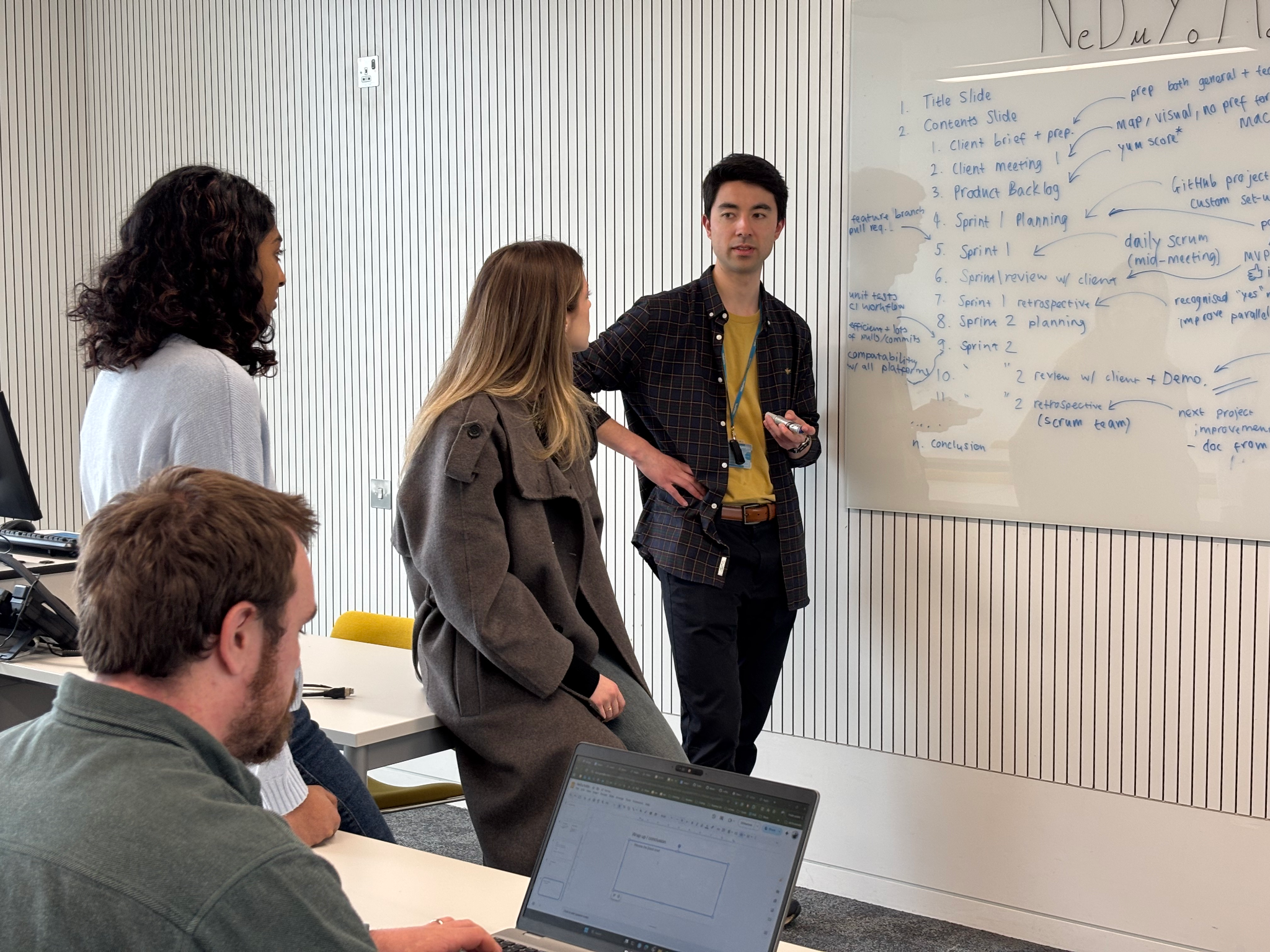 The NeDuYo team hold a presentation planning meeting |
Day 5: Delivery and Reflection
On the final day, teams presented their work to a panel who asked questions and provided overall feedback. Participants were asked to deliver presentations that addressed the following panel criteria categories:
- Presentation and Product Demonstration
- Agile-based Teamwork
- End Product
- Software Engineering Practice
The first two categories comprised 60% of the marks, reflecting that whilst the end product is the scenario project's goal, the focus of the course is on team-working and communication.
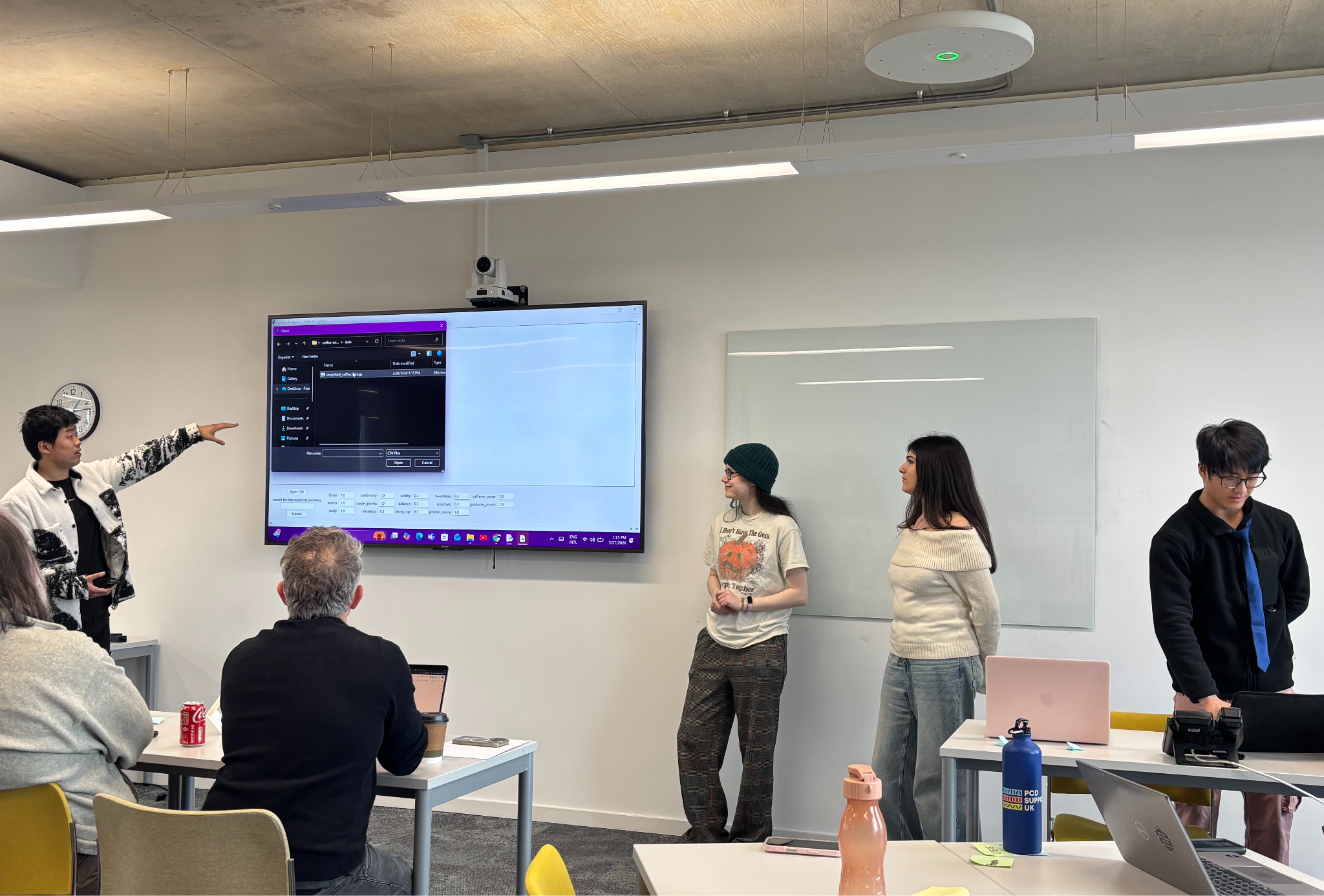 Excel Penvelope, who won the Best Teamwork Award, demonstrate their product to the judging panel |
The participants generally found that the final day was relaxed and enjoyable, with plenty of time and freedom to prepare presentations, which many found fun and engaging. Helpful guidance, constructive feedback from judges, and seeing diverse team solutions made the experience valuable.
What particularly surprised both the instructors and the panel was the level of effort the teams put into developing their products - and the level of functionality and polish shown at their demonstrations, despite only working on them for two very short sprints - showing a very high level of engagement and team-working by participants.
The day concluded by celebrating the participants' efforts with an awards ceremony (with prizes in each category, including Overall Winner) and refreshments.
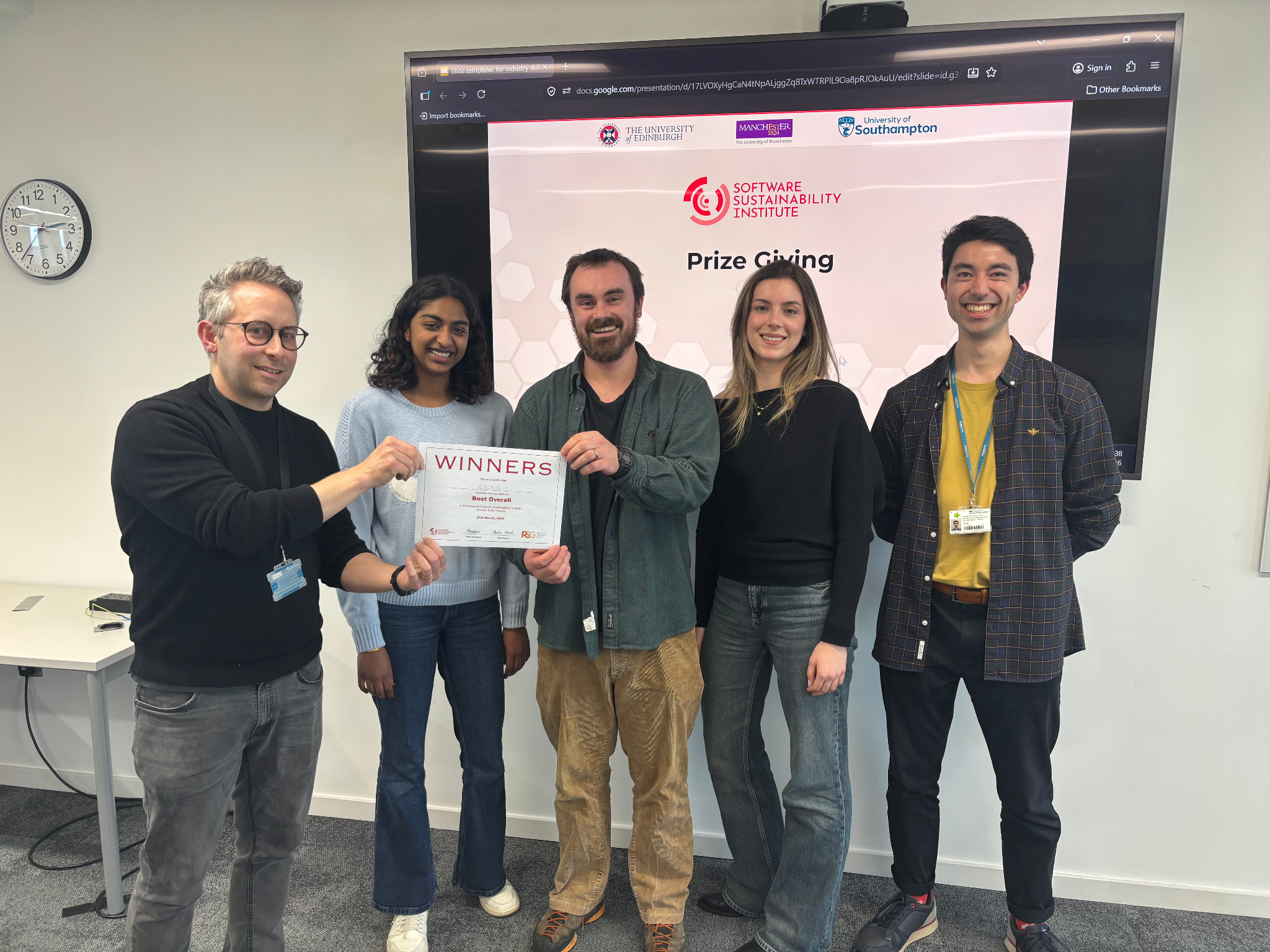 The overall winning team, NeDuYoMo, receiving their award |
March Pilot Feedback
Feedback from the March pilot was very positive. Across all 12 participants, the post-training survey indicated an average of 8.5/10 for the effectiveness of the workshop as a learning experience. In general, comments indicated the experience was a strong, engaging, and practical course with excellent teaching and teamwork elements. Some participant comments from the final survey included:
- "The course was truly excellent. I'd previously learnt a little about agile development but struggled to retain any of it. This course really helped to put that knowledge into practice. The workshop was well paced, with a good amount of content to feel satisfied without being overloaded."
- "All of it felt just right … the programme exceeded my expectations by a lot. I expected a less-interactive, lecture-based bootcamp, which is not necessarily a bad thing, but what we got was even better."
- "From lectures, and live coding sessions to working on a client project, I thought the entire workshop was excellently delivered. The lectures were engaging with plenty of solo, pair, group and class activities to add some interaction to the theory. The live coding sessions were well paced, and easy to follow. The client project was really fun."
- "The workshop was really informative and was delivered at a good pace. It provided a good opportunity for team building, leadership, technique development, and knowledge improvement."
- "All practical demonstrations with Git, MkDocs, etc were very engaging and useful - sure to put it to use in the future. The last 3 days of the course were especially enjoyable, and the inclusion of per-group support through mentoring and sprint reviews, plus feedback from an RSE, was very valuable."
In keeping with a pilot course, there were some improvements requested, notably for further tailoring it to participants' skill levels (which were quite variable), and increasing the hands-on, interactive learning (notably reducing the duration of some video-based learning exercises, and adding more time for exercises).
Summary and Next Steps
The Industry Skills for Software Engineering Bootcamp aims to complement existing education by focusing on the professional and collaborative practices that underpin sustainable software development. Through realistic projects, agile teamwork, mentoring, and reflection, the course helps early-career software engineers bridge the gap between academic study and professional practice.
As the programme continues to evolve, we look forward to refining the course based on feedback from the March 2026 pilot, and the official launch of the course with a workshop later in the year.
Looking ahead, plans include CPD versions of the course for professionals, tailored offerings for Small and Medium-sized Enterprise businesses (SMEs) and PhD cohorts, and more modular formats (such as the popular Byte-sized RSE format) that can be integrated into other SSI training activities. The training materials will continue to be shared openly, in line with SSI’s commitment to sustainable and community-driven software practice.
Bookmark this page
Bookmarked
RSE Data Competition Winner Announced
We are pleased to announce the winner of the RSE Data Competition is Saranjeet Kaur Bhogal for their analysis titled What have we learnt from the RSE journey so far. Congratulations!
Using data collected by SSI and our international partners over the last decade, Saranjeet explores the following aspects of the RSE community: disciplines in which RSEs work, how are RSEs typically testing software, version control tools used for software development, funding sources for RSE work and factors influencing the move to RSE roles.
Saranjeet’s analysis - alongside the work done by the other two finalists - demonstrates the value of such a rich and long-term dataset for the community. Whether it’s using it to develop new training pathways or advocate for better mental health support for RSEs, the RSE Survey provides the community with a key tool to improve research software by supporting the people who develop it.
Thanks to generous support from the Society of Research Software Engineering, Saranjeet will:
- Be invited to present their analysis at the annual RSE Conference in September 2026
- Be awarded a cash prize of £250 or a bursary to cover their registration fee for the conference
- Have their analysis published on the SSI and Society of RSE websites
We’d also like to express our congratulations to our other finalists, Nabeel Siddiqui and Tom Wilson and Liam Berrisford, for their excellent contributions. You can see their full analyses at the links below.
If you’d like to investigate the survey data yourself, there is a public dashboard available or you can download the full dataset.
Winner
What have we learnt from the RSE journey so far
By Saranjeet Kaur Bhogal
The role of a Research Software Engineer (RSE) has been evolving since the term was first coined at Software Sustainability Institute’s Collaborations Workshop 2012, almost a decade and a half ago. RSEs play an important role in the research ecosystem by developing and maintaining software that supports research activities. In this analysis, Saranjeet explores the following aspects of the RSE community: disciplines in which RSEs work, how are RSEs typically testing software, version control tools used for software development, funding sources for RSE work and factors influencing the move to RSE roles.
Explore the full analysis here.
Other finalists
The Backbone of Research Software Engineering: Mapping the
Evolution of Programming Language Ecosystems, 2018–2022
By Nabeel Siddiqui
Nabeel uses the survey data to explore whether RSE communities tend to cluster around shared programming language ecosystems, or does adoption data simply mirror the dominance of the most popular languages? The dominant approach to Research Software Engineer (RSE) professionalization assumes that defining essential skills and identifying entry points into careers will result in professional recognition. This perspective is reflected in research that aims to pinpoint core training criteria as starting points for RSEs across various institutional settings. However, such skill profiles are normative tools that specify what RSEs should know rather than depict how actual communities are organized. This analysis questions the idea that standardized training frameworks accurately represent RSE practice.
Explore the full analysis here.
How Team Structure Impacts Organisational Resilience and RSE Burnout
By Tom Wilson and Liam Berrisford
Tom and Liam use the survey data to argue that a centralised Research Software Engineering (RSE) team is likely to provide stronger organisational resilience and lower burnout risk than models in which RSEs are embedded as isolated individuals across separate projects or departments. Centralisation does not eliminate project risk, but it changes the risk structure from person-dependent to team-dependent, which is generally more manageable at the institutional level.
Explore the full analysis here.
Bookmark this page
Bookmarked
Voting open for RSE Data Competition
We asked for help and you responded! Over the last decade, SSI and our international partners have gathered heaps of data on the research software community. Starting with the UK in 2016 and expanding to include almost 1000 respondents from 43 countries, the International RSE Survey provides an unparalleled longitudinal dataset for understanding the RSE community.
We made that data available and asked the community what insights they could discover. Now we are pleased to share the three finalists from the Data Competition.
Voting will be open from Wednesday 15 April through Wednesday 6 May. Everyone is invited to vote, but please only vote once!
Please cast your vote by looking at the nominations below and following the link to the voting form.
Nominations
What have we learnt from the RSE journey so farBy Saranjeet Kaur Bhogal The role of a Research Software Engineer (RSE) has been evolving since the term was first coined at Software Sustainability Institute’s Collaborations Workshop 2012, almost a decade and a half ago. RSEs play an important role in the research ecosystem by developing and maintaining software that supports research activities. In this analysis, Saranjeet explores the following aspects of the RSE community: disciplines in which RSEs work, how are RSEs typically testing software, version control tools used for software development, funding sources for RSE work and factors influencing the move to RSE roles. Explore the full analysis here. |
The Backbone of Research Software Engineering: Mapping the
Evolution of Programming Language Ecosystems, 2018–2022
By Nabeel Siddiqui
Nabeel uses the survey data to explore whether RSE communities tend to cluster around shared programming language ecosystems, or does adoption data simply mirror the dominance of the most popular languages? The dominant approach to Research Software Engineer (RSE) professionalization assumes that defining essential skills and identifying entry points into careers will result in professional recognition. This perspective is reflected in research that aims to pinpoint core training criteria as starting points for RSEs across various institutional settings. However, such skill profiles are normative tools that specify what RSEs should know rather than depict how actual communities are organized. This analysis questions the idea that standardized training frameworks accurately represent RSE practice.
Explore the full analysis here.
How Team Structure Impacts Organisational Resilience and RSE BurnoutBy Tom Wilson and Liam Berrisford Tom and Liam use the survey data to argue that a centralised Research Software Engineering (RSE) team is likely to provide stronger organisational resilience and lower burnout risk than models in which RSEs are embedded as isolated individuals across separate projects or departments. Centralisation does not eliminate project risk, but it changes the risk structure from person-dependent to team-dependent, which is generally more manageable at the institutional level. Explore the full analysis here. |
What happens next?
Based on your votes, and thanks to generous support from the Society of Research Software Engineering, the winner of the competition will:
- Be invited to present their analysis at the annual RSE Conference in September 2026
- Be awarded a cash prize of £250 or a bursary to cover their registration fee for the conference (for reference, in 2025 this was valued at approximately £380 for in-person attendance)
- Have their analysis published on the SSI and Society websites
Results will be announced in mid-May.
If you have any questions, please reach out to m.j.donnay@software.ac.uk.
Bookmark this page
Bookmarked
19 Months of Reasonable Performance Computing (SIG)
The Reasonable Performance Computing Special Interest Group (SIG-RPC) was founded in September 2024, following positive feedback to a talk I delivered at RSECon24 titled Performant Python Patterns. This feedback exposed agreement from RSEs that maybe we could help empower researchers to identify and solve some of their worst performance mistakes.
With a background in Computer Science and early-career experience as an RSE specialising in GPU parallelism, I frequently encounter small but impactful mistakes in code written by researchers who are largely self-taught programmers. These issues, often redundant logic or poorly chosen data structures, are often quick for me to identify and resolve and in some cases yielded order-of-magnitude performance improvements.
Initially, I developed a Carpentries-style course to introduce profiling and optimisation to Python users, which later inspired the RSECon24 talk. The course has since been delivered at several institutions. Research code, however, is extremely diverse, with countless combinations of languages and libraries. This makes it hard to justify the cost of creating instructor-led training for ever smaller audiences. This led to the realisation that a different approach was needed. The aim was both to raise awareness that the fundamentals of software performance do not require advanced technical expertise and to encourage people to share their experiences, since no single programmer can know the performance quirks of every language and library.
Following the response to my talk, I organised a small meeting with people interested in building a community focused on the research, development, and advocacy of performance best practices for those who work closely with software. With support from the Society of Research Software Engineers (Society RSE), we held the first SIG-RPC AGM and agreed on the terms of reference. During this discussion, we also identified a second area of underserved interest among members: improving non-technical interfaces to HPC resources.
With a high-level vision for what I wanted to develop, and limited experience in community building, it made sense to apply for the SSI fellowship, and I was accepted into the 2025 cohort. The fellowship has provided both financial support for promoting SIG-RPC and access to a network of like-minded people with extensive experience in building and sustaining communities.
Building a new community from scratch without dedicated time is difficult, so the first significant progress came during the winter break, when I was able to draft the initial SIG-RPC website. It is a small static site with a blog and knowledge bases containing mini-guides on profilers and optimisation patterns, all of which can be contributed to through GitHub.
With the website established, our next priority was to start promoting our work and encouraging engagement. I introduced the SIG with two lightning talks: one at the SSI Collaborations Workshop in March and the other at the N8CIR RSE meetup in July.
Around this period, Jost Migenda formally joined the Python profiling short course as a maintainer after contributing significant improvements while delivering it locally. This helped move the course closer to a stable state, and Jost later presented both the course and the SIG at EuroSciPy, which gave us our first international exposure.
Since SIG-RPC was founded under Society RSE, RSECon25 felt like the natural venue for our first workshop. We ran a 90-minute session to present the SIG-RPC knowledge bases and to encourage attendees to contribute guides and feedback. The workshop was valuable, with attendees providing over 40 new contributions. It also highlighted both the amount of work still required to build a valuable resource, and that further work is needed to streamline the submission of new guides to our website. At RSECon25 we were also invited to join HPC-RSE SIG’s training session, and took part in Green RSE SIG’s activities.
A year after our initial AGM, we held our second. Two officers had stepped down due to career changes during the year, so it was time to elect a new committee. Attendance was slightly higher, which was encouraging, and Jost formally joined as deputy chair.
Since then we have presented SIG-RPC at the DiRAC HPC-AI and CoSeC (part of Computing Insight UK) conferences to more technical audiences, where we continue to see enthusiasm for the project.
With our initial infrastructure now in place, our aim for the second year is to expand collaboration with established communities. SIG-RPC sits near many related areas, including HPC, green computing, and language or library-based communities. Our next event is a co-hosted virtual hackathon with Fortran-index in late January.
We hope these more technical collaborations will help us develop the website to the point where it can be shared more widely, particularly with the less technical audiences who stand to benefit most.
If you want to get involved, visit the SIG-RPC website to join our mailing list or slack channel, or submit a guide or feedback on our GitHub!
Bookmark this page
Bookmarked
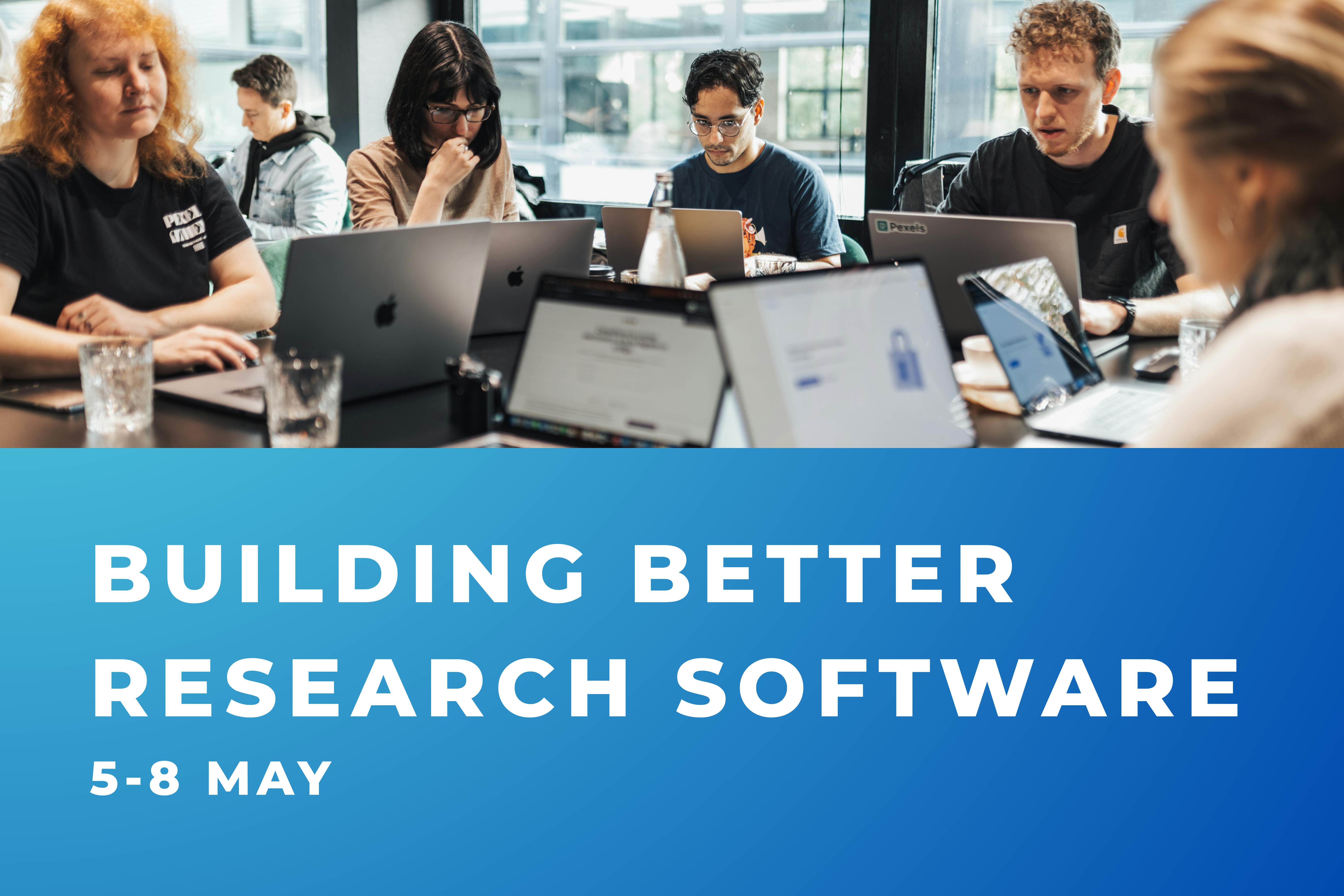
Building Better Research Software workshop
The Building Better Research Software workshop will take place over multiple days from Tuesday 5 May to Friday 8 May, from 9:30am to 1pm. There will also be a mandatory pre-workshop setup session on Friday 1 May from 10am to 12pm.
The Building Better Research Software course teaches tools and practices for producing and sharing quality, sustainable and FAIR (Findable, Accessible, Interoperable and Reusable) research software to support open and reproducible research.
Bookmark this page
Bookmarked

Intermediate Research Software Development Course
The Intermediate Research Software Development Course will take place on 13 - 16 April 2026 at the University of Manchester. The course, which is based on material developed by the SSI, aims to teach a core set of established, intermediate-level software development skills and best practices for working as part of a team in a research environment using Python as an example programming language. The core set of skills is not a comprehensive set of all-encompassing skills, but a selective set of tried-and-tested collaborative development skills that form a firm foundation for continuing on your learning journey.
The workshop is delivered by EPCC (Chris Wood and Evgenij Belikov) with the help from SSI and Manchester RIT.
Bookmark this page
Bookmarked

DH & RSE Summer School 2026 - Registration Now Open
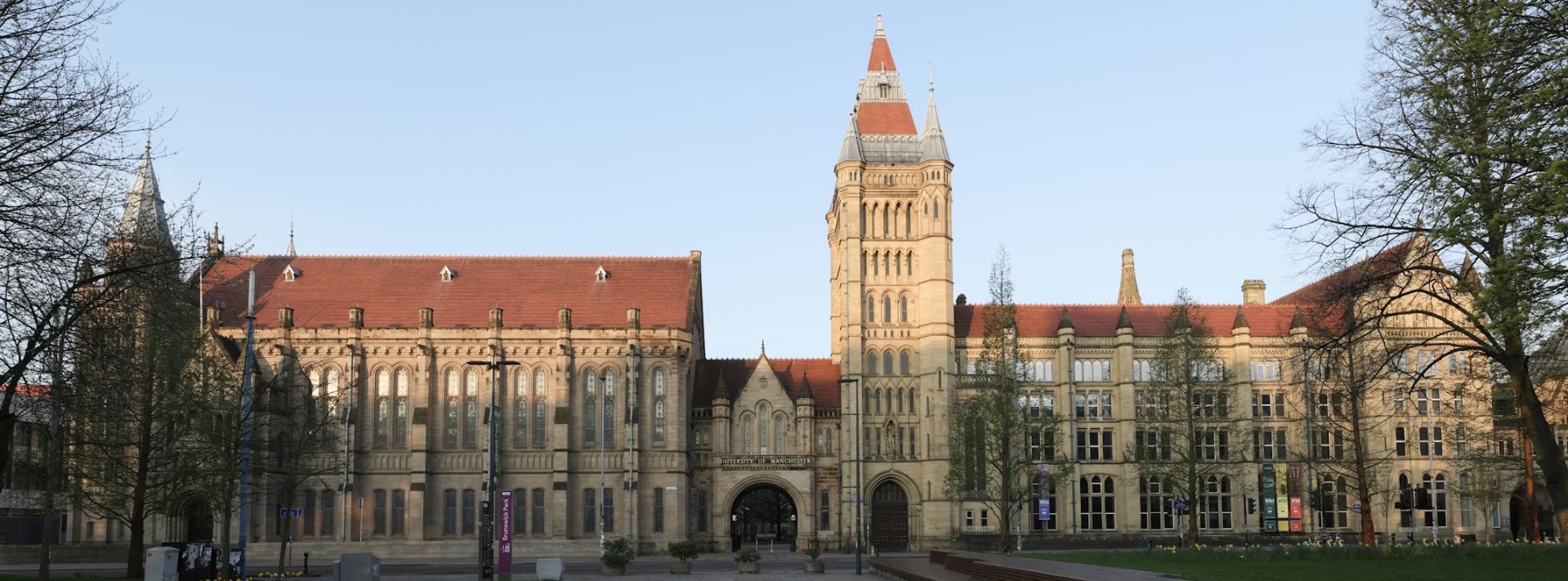
The Software Sustainability Institute, in partnership with King's College London, the University of Cambridge, and the University of Edinburgh, is pleased to announce the Digital Humanities & Research Software Engineering Summer School 2026, taking place at the University of Manchester from Monday 29 June to Thursday 2 July 2026.
Attendance is free, and limited bursaries of up to £650 are available by application to support those who need financial assistance to attend.
Who should apply?
The Summer School is aimed at postgraduate students, researchers, academics, and technical professionals who use code and data in their work and are looking to engage more deeply with Research Software Engineering (RSE) practices. Participants from a wide range of disciplines are welcome — including history, literature, linguistics, archaeology, art history, musicology, cultural heritage, and many more. Some prior coding experience is desirable, though a computer science background is not required.
Bookmark this page
Bookmarked
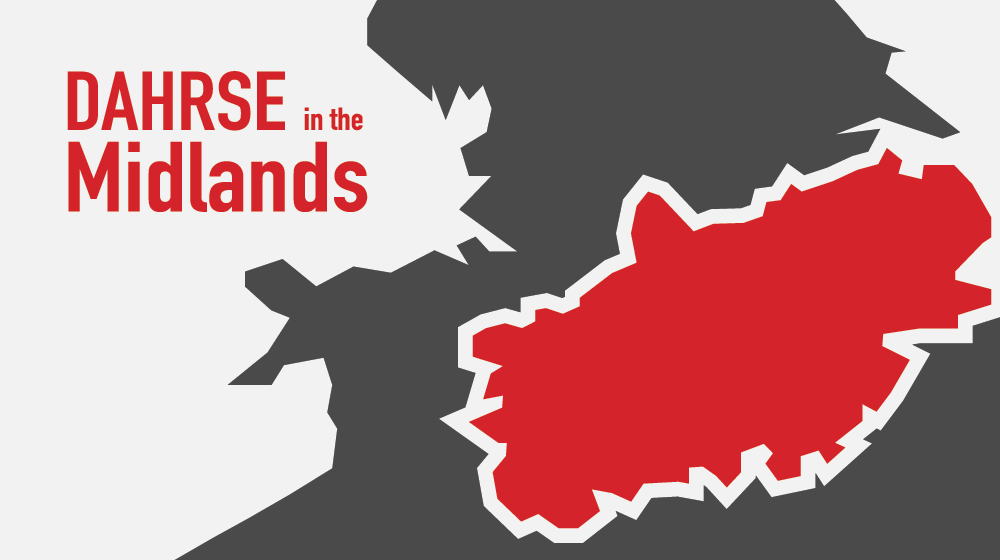
Co-Creating DAHRSE Midlands: Vision, Voices, and Next Steps
In November 2025, the Digital Arts and Humanities Research Software Engineers Midlands (DAHRSE Midlands) community gathered online for its first meeting. The theme “Co-Creating DAHRSE Midlands: Vision, Voices, and Next Steps” was all about collaboration, inclusivity, and building momentum for Digital Arts and Humanities Research Software Engineering in the Midlands.
The DAHRSE Midlands community is growing as a collaborative space for Digital Arts and Humanities Research Software Engineers (RSEs) across the region. This meeting focused on shaping our shared vision, amplifying voices, and planning actionable next steps to strengthen our network.
This event was proudly supported by the Software Sustainability Institute (SSI) via their fellowship programme; their commitment to building sustainable software communities made this event possible.
Highlights from the Talks
Welcome & Vision Setting
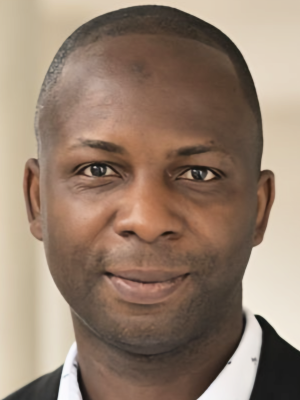
Godwin Yeboah, from the University of Warwick and SSI Fellow, introduced the DAHRSE Midlands initiative, outlining its goals, objectives, and early activities. These were further discussed during the community discussion section, where members contributed ideas and feedback.
He also proposed a desktop study titled:
“Exploring the Landscape of Digital Arts and Humanities Research Software Engineers in the Midlands: A Preliminary Desktop Study and Working Paper.”
This study aims to explore the institutional landscape of DAHRSEs in the Midlands—mapping where Digital Arts and Humanities Research Software Engineers are based, particularly within universities, the GLAM sector (Galleries, Libraries, Archives, and Museums), and research groups. It will examine their contributions, especially those visible online, and highlight the roles these RSEs play within their respective institutions.
Working research question:
What is the current landscape of Research Software Engineers in the Digital Arts and Humanities in the Midlands, and how do they contribute to, and impact the field?
This initiative and the proposed study represent an important step toward understanding and strengthening the role of RSEs in the digital arts and humanities ecosystem.
Browser Extensions for Accessibility Testing
Catherine Smith, from the University of Birmingham and SSI Fellow, demonstrated practical tools for manual accessibility testing of websites—an essential step beyond automated CI tools. Her talk highlighted how browser extensions can help improve accessibility compliance in humanities web projects.
Catherine reminded us why manual accessibility checks matter:
“Automated tools can only take you so far—manual checks are essential to check accessibility criteria are being met.”
She demonstrated browser extensions that make manual accessibility testing easier and more effective, helping humanities web projects ensure that there are no barriers for people interacting with the material and also that they comply with legal standards.
Tools mentioned:
Reuse, Remake, Recycle: Working with Older Mobile Devices
Iain Emsley, from the University of Warwick, shared insights from a project using older mobile devices for AI mapping in urban spaces. His discussion raised critical questions about planned obsolescence, sustainability, and policy implications for Digital Humanities hardware projects.
Iain’s talk sparked a fascinating discussion on sustainability and innovation:
“Planned obsolescence creates challenges—but it also opens creative possibilities for reusing older hardware.”
He shared lessons from a project using old mobile phones for artificial intelligence (AI) mapping, raising questions about policy, testing constraints, and the skills needed to keep legacy devices in play.
Community Discussion: Shaping the Future (Together)
The most dynamic part of the meeting was our open discussion. A clear theme emerged: start small, grow organically. Rather than chasing big, shiny ideas, we’re building momentum through doable, repeatable activities that help people connect and share.
Activities that build connection and skills
- Short talks, lightning demos (tools and techniques), and show‑and‑tells (experiences and insights) to share best practices.
- Informal Teams chats to surface topics and quick wins.
- Resource repositories on our website—starting with practical collections (e.g., accessibility tools) that teams can use immediately.
- Joint seminars with RSE Midlands and participation in external activities led by SSI and SocRSE.
Growing an inclusive membership
We agreed to refine the “Join our community” page so it reflects the breadth of roles in our space—especially those without a formal “RSE” title who still write code, build workflows, or steward research software.
Guiding questions we’ll feature:
- Do you work in the GLAM sector and write code?
- Do you work in Digital Arts & Humanities and write some code or work with research software?
We’ll also conduct a desktop study (see above) to understand the regional landscape and publish blogs that share ideas and practice.
Communication & onboarding
To improve visibility and make joining easier, we’re streamlining our channels and processes:
- Mailing list
- Slack channel
- Joining process: see landing page.
- Community website
- Community logo
- Social media channels:(Bluesky, Mastodon,X - formerly Twitter)
For those who prefer updates without formal membership, we’re adding a “Stay informed without joining” option on the website.
Acknowledgment
A big thank you to the Software Sustainability Institute (SSI) for sponsoring and supporting this meeting and overall initiative. Their work in promoting sustainable software practices continues to empower communities like ours.
Thanks also to DAHRSE community members Catherine Smith and Iain Emsley for their insightful talks and contributions to the discussion. We would also like to acknowledge SSI Fellow Iain Barrass for kindly volunteering to review our draft.
What We’re Doing Next
We agreed to:
- Refine communication channels and onboarding to make it easier to connect and participate.
- Iterate on community activities (talks, demos, resource pages) for steady, organic growth.
- Conduct desktop study and publish blog posts that share findings, ideas, and best practices.
Get Involved
Want to help shape the future of DAHRSE Midlands?
- Join the conversation: Use our Slack channel, mailing list, or social media channels (Bluesky, Mastodon,X - formerly Twitter.
- Sign up for updates:
- Showcase your profile on our website:
- Propose a lightning talk or resource: We welcome ideas—from accessibility toolkits to case studies of DH software in practice.
Together, we’re building a connected, sustainable community for Digital Arts & Humanities RSEs in the Midlands—one small, purposeful step at a time.
Bookmark this page
Bookmarked
The forgotten pioneers of computational physics
Iulia Georgescu, science manager at the Institute of Physics, has published a new Physics World feature titled The forgotten pioneers of computational physics. The article traces the origins of research software engineering and highlights the many figures whose contributions were overlooked, whether because computational scientists were undervalued, much as RSEs often are today, or because sexism erased the work of the many women who drove early advances in the field.