
Skip to main content Site map
Old Tag
RSE Conference
RSE Fellows
RSE community
RSE survey
RSE18
RSEConUK2019
HomeNews and blogs hub

Green Skills and Training for Digital Researchers

Bookmark this page Bookmarked

Green Skills and Training for Digital Researchers

Author(s)
Kirsty Pringle

Kirsty Pringle

Project Manager

Posted on 18 November 2025

Estimated read time: 7 min
Sections in this article
Share on blog/article:
LinkedIn

Green Skills and Training for Digital Researchers

RSC logo, blades of grass

This blog is part of the Research Software Camp: Careers and Skills in Research Software series.

Digital skills are becoming increasingly important for research, unlocking powerful tools that accelerate discovery and innovation - but these advances can come with an environmental cost. Every dataset stored, every AI model trained, and every simulation run consumes energy and contributes to emissions. And as the scale of digital research grows, so too does its environmental footprint.

The UK Government's commitment to Net Zero by 2050 will require a reduction in emissions from all sectors, including research. Digital research should be at the forefront of this transition, helping to unlock new ways of working that reduce environmental impact while maintaining quality, efficiency, and innovation. At the same time, it is increasingly important to ensure that the environmental footprint of digital research is minimised, without compromising the efficiency or quality of the work itself.

The best time to act was yesterday. The next best time is today.

The good news is that many sustainable digital research practices are simply good digital research practices. Efficient code runs faster, well-managed data is easier to reuse, and optimised workflows save time and resources. So time spent transitioning to greener practices can also be mutually beneficial for research.

Why Training Matters

The challenge is that research is complex - there’s no one-size-fits-all route to more sustainable science. What’s essential for one field might be irrelevant to another, and that’s okay. The key is to identify what changes can make the biggest difference in your work.

The Greening Digital Research project (led by Weronika Filinger with Jeremy Cohen, Martin Jukes and Kirsty Pringle) is a collaboration between the CHARTED, NetDRIVE, DisCouRSE and SCALE-UP NetworkPlus projects. It has been working with training experts, including the team behind the DIRECT Framework, as well as researchers and digital research technical professionals (people who support research in a wide range of roles), to better understand where training efforts should be focused.

To explore this, we ran a workshop at a recent NetDRIVE meeting aimed at identifying how digital research training needs align with emerging green skills and sustainability goals. It’s early days, so the list is likely to change, but take a read through our initial points and think about what might apply to your work.

Ten Training Priorities for Net Zero Research

Here, we highlight ten areas where workshop participants identified training as important. Different priorities will matter for different research areas and styles - start wherever makes sense for your work.

Active Data Management & Reuse

Be deliberate about what data you keep, how long you keep it, and how you describe it.

Learn how to apply FAIR principles (Findable, Accessible, Interoperable, Reusable), create clear metadata, and avoid the trap of “store everything forever.”

Why it matters: Every unnecessary terabyte stored increases the need for additional storage hardware, which uses additional energy in both its operation and construction. Good metadata and reuse reduce duplication across the community.

Efficient & Responsible AI

AI and machine learning are powerful tools, but are also power-hungry. Training in efficient model design, experiment planning, and impact assessment helps you make sure AI is used wisely, not just because it’s trendy.​

Why it matters: Unnecessary use of AI models or poorly designed AI models can increase energy use and associated emissions.​

Code Profiling & Optimisation

Learn how to write lean, efficient code and use profiling tools (which can help you to see where your programs waste time and energy). Understanding compiler options, algorithms, and libraries can make your software (and your research!) run faster and greener.

Why it matters: Small improvements in code performance can be important when scaled to lots of runs or users.

Robust Software Practices

Test early, test often, and fix bugs before scaling up. Training in debugging, version control, and code review saves resources, time, and frustration.​

Why it matters: Every failed or repeated run is wasted energy. Plus it will save users time!

Sustainable High Performance Computing & Workflows

High-performance computing (HPC) is a key part of modern research, but it’s also a major energy consumer. Learn to optimise job submissions, right-size resources, and (if appropriate) use carbon-aware scheduling.  If you are unsure then speak to the HPC provider - they will have the expertise to help.  ​

Why it matters: A well-optimised job can do the same science with a fraction of the energy.

Smarter Cloud & Container Use

Cloud platforms are convenient, but easy to use incorrectly. Understanding when cloud solutions are appropriate and how they are deployed helps avoid hidden carbon costs

Why it matters: “Set and forget” cloud jobs often run long after they’re needed.​

Embedding Sustainability into Project Management

Make environmental impact part of your planning, not an afterthought. Learn to include carbon costing, risk assessment, and sustainability checkpoints in your project lifecycle.  Good project management can also reduce the risk of failures, which both speeds up research and wastes fewer resources.

Why it matters: What you measure, you can manage - and improve.

Leading for Change

You don’t have to manage a team to show leadership; you can advocate for sustainability wherever you work. For example, running training for your colleagues or peers, sharing best practices, and promoting opportunities can all have a positive impact.

Why it matters: Change happens when people lead by example.

Ethics, Adaptability & Collaboration

Being an ethical researcher means considering not only what you do, but how you do it. Developing skills in ethical reasoning, adaptability, and teamwork helps you make balanced decisions, work effectively with others, and avoid unnecessary waste or duplication. These skills apply across the whole research lifecycle, not just digital aspects.

Why it matters: Sustainable research is about people as much as technology.

Communication & Community

Good communication spreads good practice. Training in clear, evidence-based communication and community leadership helps to engage others and build collective change. It also raises awareness of the importance of sustainable research practices and encourages wider participation.

Why it matters: Sustainability is a shared journey, not a solo effort.

What do you think?

These topics came out as important from the workshop, but what do you think? We would love to hear any comments or suggestions: Greening Digital Research Training - Suggestion Form

Where to Start

If you’re new to sustainability in research, here are a few great places to begin:

Green Software Foundation:  Free course on reducing the environmental impact of software, and lots of relevant blog articles.

Carbon Literacy Project:  Provides training to help individuals and organisations understand and act on carbon emissions, paid but often available through research institutions.

Digital Humanities Climate Coalition Toolkit: This toolkit is a guide to making your research practices more environmentally responsible. It is geared towards digital practices, but also touches on general areas such as travel and advocacy.

Final Thought

Achieving Net Zero in research won’t happen overnight, but every small change helps. Whether you’re optimising your code, rethinking your data storage, or mentoring others to do the same, you’re contributing to a more sustainable research ecosystem. You don’t need to do everything - just start somewhere.

HomeNews and blogs hub

Beyond the Code – Shaping your Career as a Research Software Engineer

Bookmark this page Bookmarked

Beyond the Code – Shaping your Career as a Research Software Engineer

Author(s)

Sarah Allen

Posted on 14 November 2025

Estimated read time: 6 min
Sections in this article
Share on blog/article:
LinkedIn

Beyond the Code – Shaping your Career as a Research Software Engineer

Woman working on the computer

This blog is part of the Research Software Camp: Careers and Skills in Research Software series.

Research Software Engineers (RSEs) sit at the intersection of cutting-edge research and high-quality software development. Despite their critical role in advancing research, the career path of an RSE is often unclear, varied, or undervalued. Here are 5 steps to help you explore what’s next in your career.

1 – Identify what you love about your job as a Research Software Engineer

“Well, that’s easy, right? I love coding”. Maybe, but trying to think a little deeper about your own self-awareness can be helpful as a starting point to career planning. Consider your strengths, skills, motivations, and values about work:

Start by making a list of all the activities, tasks, and skills involved in your job:

· What brings you joy?

· When do you “lose yourself” in your work? When does time fly?

· What gets crossed off your to do list first?

· What is important to you about the organisation you work for?

Action idea: 

Keep a journal of all the activities you complete for a week; reflecting on this can be very insightful. Yes, you probably love coding, but what about collaborating, training, and working with researchers?

2 – Think broadly about opportunities (and be curious about exploring)

“There is no way for me to progress in my current role”. This is something I hear Technical Professionals say all the time, and it’s easy to understand why if you only consider opportunities in your current team.

Try to look more broadly at what career development means to you. This will be different for everyone - but it is rarely just about salary and grade. Is there a way that you could do more of what you love in your current role? Could you take on a different responsibility at an institutional level, undertake a training course, or get involved with a committee, professional society, or community? What opportunities could there be for someone with your skillset in your current team or in other teams within the institution? Which aspects of your skillset would you like to develop? Could you change department, institution, or even industry? Or is there something completely different that you have always wondered whether you could try?

Action idea: 

Create a mind map (or list) of all the different things you could do. Then circle the ones you would like to find out more about and think about how you could do this. You could also consider referring to community developed competency frameworks or similar to develop your understanding of the field that you work in and the different areas involved – for example, Direct Frameowrk.

3 – Understand the marketplace for your skillset

When we feel at a career crossroads, it is human nature to log on to jobs boards and see what’s out there. Of course, you should absolutely do this. However, I also encourage Technical Professionals to be curious about settings where they could work and think more proactively about where they see themselves in the future.

You will need to consider your own mobility, of course, but think about opportunities within Higher Education, Research Institutes, other public sector and not for profit organisations as well as industry. Think about the organsiation and setting rather than just the job – then find out what opportunities they have and how you might find out more.

Different organisations can sometimes call very similar roles different titles, so it is important to read further than the job title and consider the activities a role involves.

Action Idea: 

Start with your skillset and what’s important to you. Create a list of departments, organisations, or sectors where you could potentially work. Again, highlight the areas where you are motivated to find out more. Even if you are not thinking about moving organisation, this exercise will help you develop your network.

4 – Network

Who in your current network might it be useful for you to connect (or reconnect) with? I often think that the word networking conjures scary images of trying to talk to strangers at a conference. We forget to develop better relationships with the people we already know. Reach out to a former colleague who might be able to help you with career thinking, find a mentor, or offer to mentor someone yourself. Speak to someone you don’t know very well at your next team meeting. If you are attending a conference, be brave and approach someone who works in a role that interests you, ask questions, and share your own insights and ideas. Having a conversation about career and development ideas with someone in a similar field can be very helpful.

You could also think about the communities you could join or develop a role in. Attending community events is a great way to expand your network. The Society of Research Software Engineering is a good place to start, and often holds regional events and networks.

Action idea: 

Start small – reconnect with one person this week that you haven’t spoken to for a while. Investigate local or regional technical professional communities and see if there’s something happening near you soon. Go along and say hello to a few people – this is a great way to build your network and find out what else is happening nearby.

5 - Reflect

If you had a magic wand and could create your perfect job, what activities would this involve?

Compare this list to the one you created in step 1 for your current role. How similar or different are the two lists, and what steps can you take to make the gap between your perfect and your current job smaller?

Career development is not always about moving role or organisation. It is important that we also appreciate what we love about our current position and use that as a starting point. There may be tweaks and changes you can make now which will help you in your future career development.

Action idea: 

What one change could you make to your current role which would have an impact on how fulfilled you are at work? Do you have the agency to make this change, or whom else might you need to help?

Good luck getting started!

HomeNews and blogs hub

What is a knowledge exchange placement, and could it help develop your career?

Bookmark this page Bookmarked

What is a knowledge exchange placement, and could it help develop your career?

Author(s)

Ed Bowerman

Posted on 12 November 2025

Estimated read time: 4 min
Sections in this article
Share on blog/article:
LinkedIn

What is a knowledge exchange placement, and could it help develop your career?

RSC logo, skyscrapers, a computer screen with code

This blog is part of the Research Software Camp: Careers and Skills in Research Software series.

Why would I go on a placement?

You can learn new skills from leading experts at world-class facilities in HE, industry, and research centres, and deepen your expertise in:

·       a novel research software engineering technique (like cybersecurity best practice)

·       a particular specialist tool (like a high-performance computer library)

·       a specialist technical skill (like continuous integration)

So, what is a knowledge exchange placement?

A placement is a visit to another work area outside of your organisation for a period of up to a week. ‘Knowledge exchange’ means that you are finding out how others work, learning new techniques, seeing new methods or experiencing new equipment, and bringing that knowledge back to your workplace.

Erik’s story: A new technique!

Erik Lacko, Research Technologist, University of Glasgow: “My placement was 3 days at the University of Birmingham, where I learned a specialist technique and in-depth data analysis from an expert. I also attended a facilities showcase where I networked with other technicians and facility managers. The experience has been highly beneficial for my knowledge and expertise, which I plan to further build upon at my home institution.”

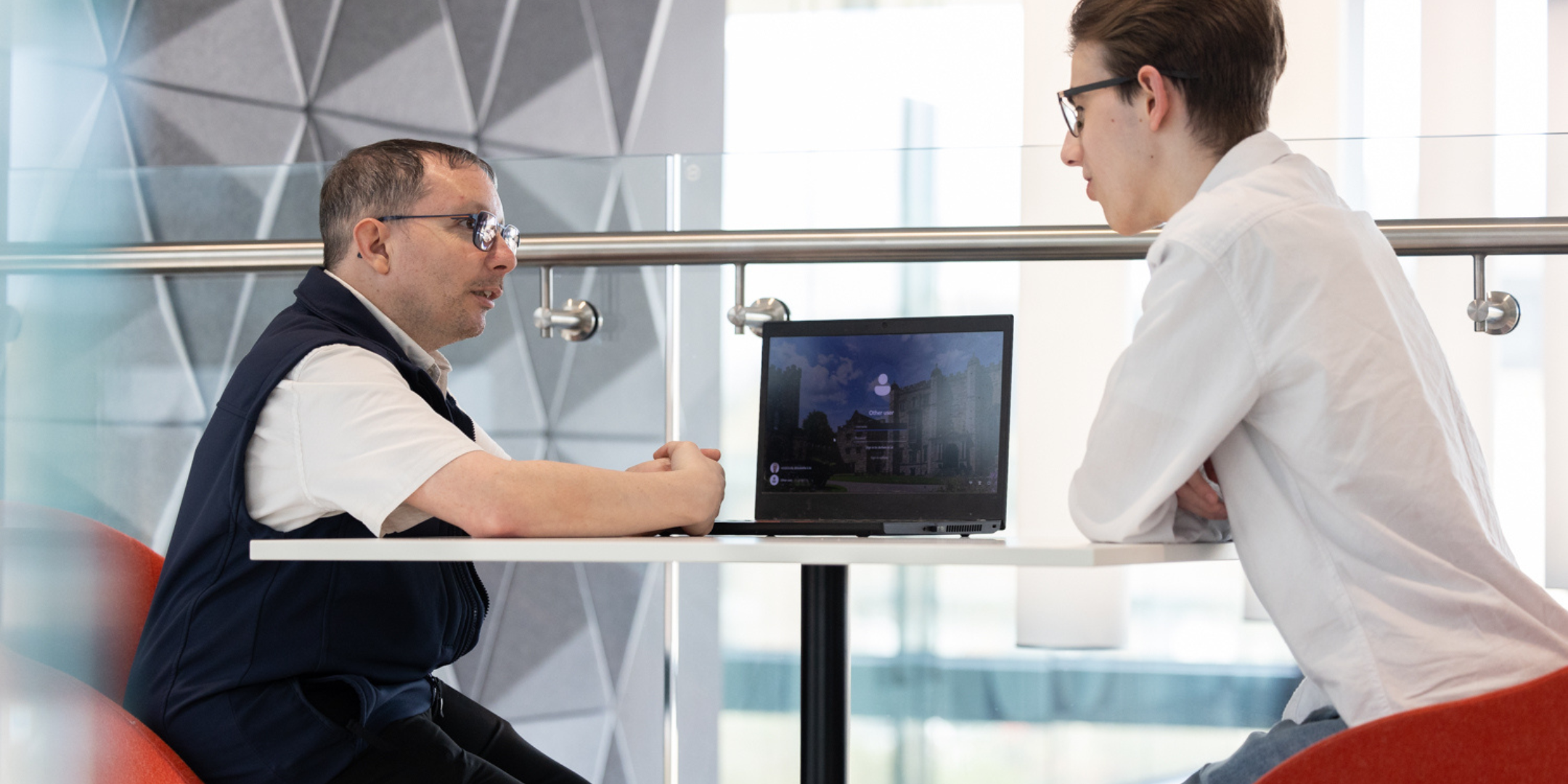
Two men conversating

How can I go on a placement?

Various grants and funds are available. The UK Institute for Technical Skills and Strategy has a specific fund available until March 2026 for technical professionals associated with UK Higher Education and Research Institutes: ITSS KE Fund. You should discuss this opportunity with your line manager.

Ruth’s story: How to handle requests for new work

Ruth Adewuyi-Dalton, Support Analyst, Nuffield Department of Population Health, University of Oxford: “Our team is tasked with supporting the Liquid Handling Robotic system within our Research Unit; we are all IT specialists, and were keen to understand how another institution works with their scientists. Our host at the University of Warwick took us meticulously through two liquid handling systems, explaining in great depth how requests for new experiments are received and documented, how the system is set up and tested, and how the different components communicate and fit together."

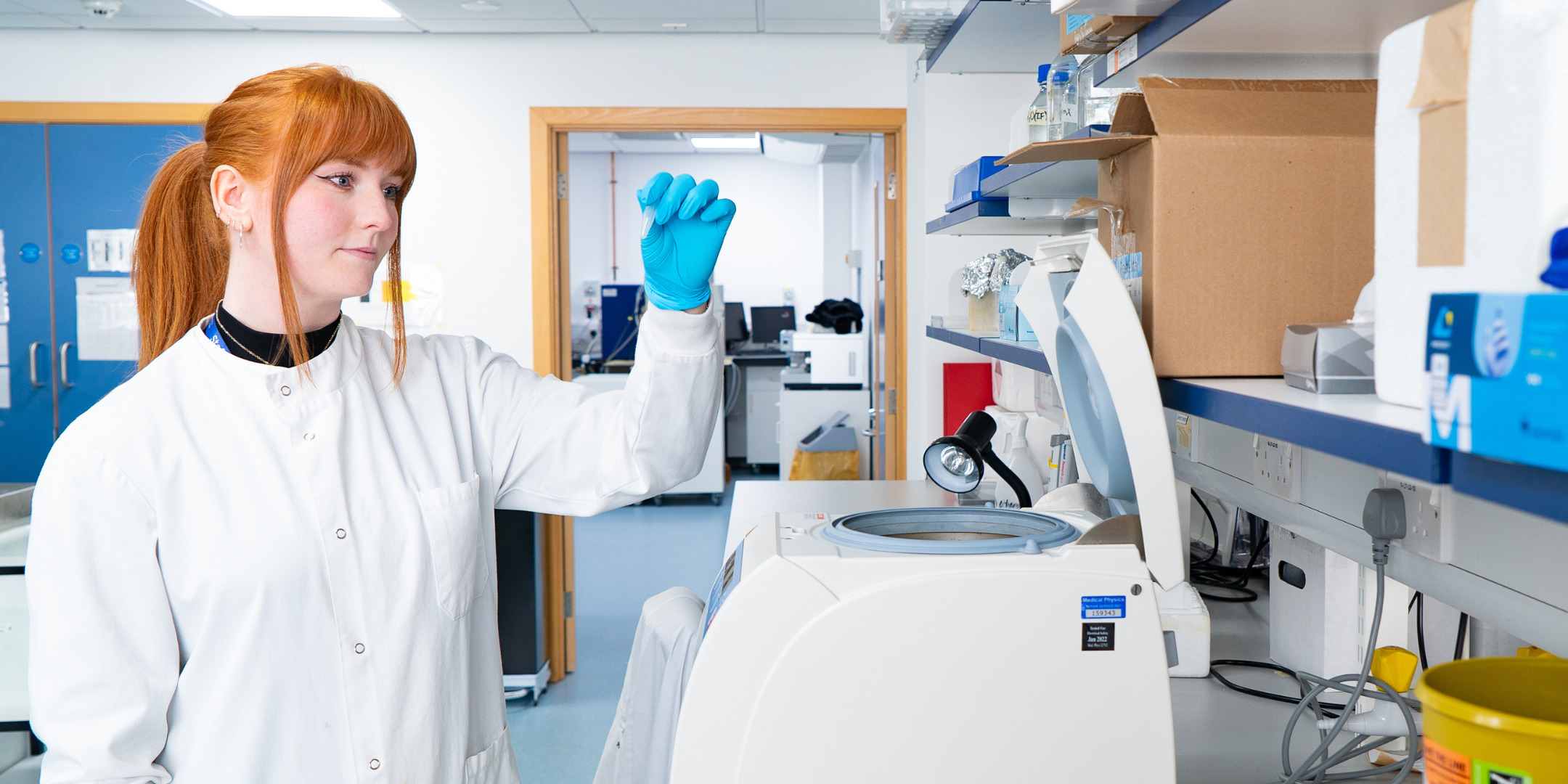
A woman holding a test tube

How do I plan for a successful placement?

Ask yourself: “What do I want to learn? A new technique or equipment? How a different work area functions? What skills gap can I fill? Do I want to build a network?”

Ask your line manager:What is going on in our own institution? Which other institution do you want me to work with?”

Ask other individuals or networks: “What would you want from a similar placement?”

Cantug’s story: Making connections

Cantug Bar, Senior Scientific Associate, Cancer Research UK Cambridge Institute: “I believe the three days I spent on the placement saved me weeks of research time to understand the complex basics of a new technique. The opportunity of networking in person was invaluable and opened up a potential avenue of collaboration.”

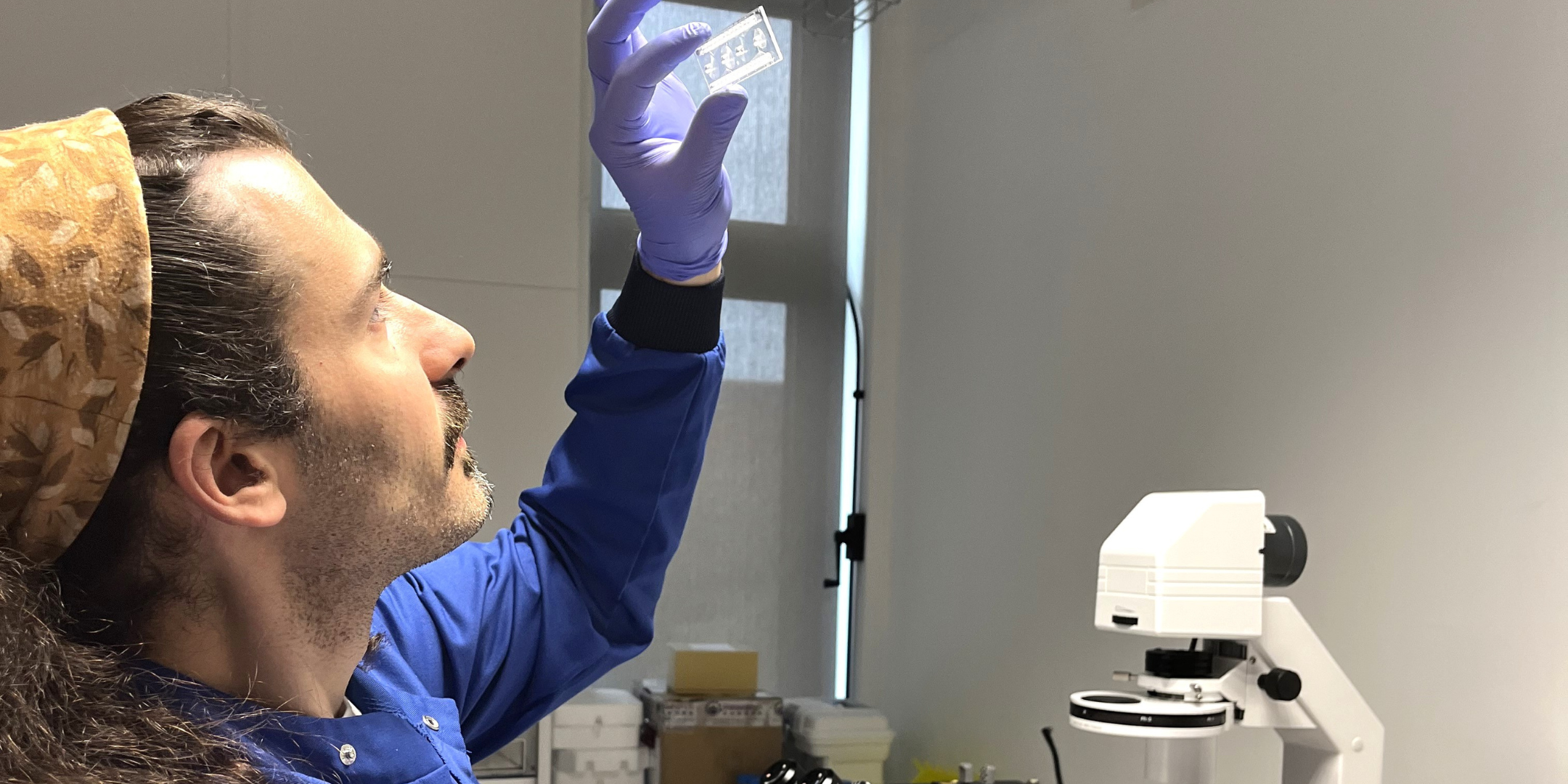
A man holding a microscope slide

What makes a good placement fund application?

•    Talk about vocational relevance (how the placement will help you to do your job!)

•    Explain the benefit to your home institute (you are unlikely to be popular if you say, “I want to get some experience so I can leave this job and get a better paid option elsewhere”!)

•     Stress the personal development opportunities (find out about best practice methods and sustainable ways of working).

•     Value for money to the fund providers (stick within the guidance costs that the providers have suggested – get in contact with them if that information is not available).

I’m hooked, please tell me more about my next steps!

Find out more about how you can experience a knowledge exchange development opportunity by going to the ITSS KE Fund website.

HomeNews and blogs hub

Navigating Careers in Digital Research: How the DIRECT Framework Can Help

Bookmark this page Bookmarked

Navigating Careers in Digital Research: How the DIRECT Framework Can Help

Author(s)
Aleksandra Nenadic

Aleksandra Nenadic

Training Team Lead

Dave Horsfall

Dave Horsfall

SSI fellow

Phil Reed Profile Picture

Phil Reed

SSI fellow

Sam Bland

Adrian D'Alessandro

Posted on 11 November 2025

Estimated read time: 3 min
Sections in this article
Share on blog/article:
LinkedIn

Navigating Careers in Digital Research: How the DIRECT Framework Can Help

RSC logo, skyscrapers, participants at RSECon

Part of the DIRECT team at RSECon25, University of Warwick, Coventry

This blog is part of the Research Software Camp: Careers and Skills in Research Software series.

Digital and computational skills have transformed the way we do science and research. From managing datasets to developing complex software and running analyses on high-performance computing platforms, the work is increasingly technical, collaborative, and fast-moving. With this complexity comes a question: how do researchers and digital technical professionals plan their careers and build the right skills for the future?

The DIRECT (Digital Research Competencies) framework tries to provide at least a partial answer to this question.

A Short History

The DIRECT project grew out of discussions within the UK and international Research Software Engineering (RSE) community, starting from the work that happened at the Software Sustainability Institute Collaborations Workshop 2023 Hackday, which was then kept active to date by a number of RSEs from the community.

image.png

Participants of the CW23’s HackDay working on “RSE skills and competencies” idea

The idea was to construct a resource on (initially only) technical skills that was curated by the RSE community, along with training materials that can help RSEs gain a particular skill. Their individual skill profiles would then be visualised as "competency/skills wheels" to show their skills across different areas.

image.png

Prototype application developed at CW23, courtesy of CW23’s HackDay participants

This type of chart makes it easy to see strengths at a glance (e.g. collaboration, programming) and identify areas for development (e.g. leadership, management).

The resource was meant to support (in particular junior) RSEs in tracking and managing their professional development.

As RSEs carved out their identity and position in modern research, it became clear that they needed a way to describe the diverse mix of technical as well as professional skills their work requires. Additionally, supporting just RSEs was not diverse and inclusive enough; we needed a way to support other digital research professionals. The original project was renamed DIRECT framework - which was designed to meet that need: a shared, evolving framework that could support individuals, roles, teams, and institutions in recognising and developing digital research competencies.

What is the DIRECT Framework?

DIRECT is a community-driven competency framework designed to capture the wide spectrum of skills needed across various digital research roles. It provides a structured vocabulary and skill map covering both:

  • Technical competencies: such as programming, software design, data management, reproducibility, infrastructure, machine learning, and data science.
  • Professional competencies: including teamwork, communication, project management, leadership, and community engagement.

Each competency is described across a progression of 4 skill levels — from novice to expert — with examples of behaviors that demonstrate proficiency, skills, and adequate training (both still under development). This makes it easy for individuals to see where they stand and what “the next step” might look like in practice.

Watch this short video of the project lead, Dave Horsfall (SSI Fellow from Newcastle University), describing the DIRECT framework and how it identifies skills and defines development pathways for anyone working in research software, serving as an important tool to help with career progression.

HomeNews and blogs hub

DisCouRSE Network+ launches £10k fund

Bookmark this page Bookmarked

DisCouRSE Network+ launches £10k fund

Author(s)
Denis Barclay

Denis Barclay

Communications Officer

Posted on 2 October 2025

Estimated read time: 1 min
Sections in this article
Share on blog/article:
LinkedIn

DisCouRSE Network+ launches £10k fund

sand, DisCouRSE logo

The DisCouRSE Network+ has launched a new Flexible Fund, offering up to £10,000 to support projects that strengthen leadership training and career pathways for digital Research Technical Professionals (dRTPs).

The fund is part of the Network’s wider ambition to build a connected, empowered community of dRTPs who can shape the future of digital research. With no set theme for this first round, applicants are encouraged to propose activities that reflect their own contexts and priorities, from testing out fresh ideas to scaling up work already underway.

Around ten to twenty projects will be funded. Each award can request up to £10,000 at 100% of full economic cost, with DisCouRSE usually paying 80% fEC. Projects should begin between January and April 2026 and last no more than a year.

HomeNews and blogs hub

New research software beginner guides supporting social science researchers now available

Bookmark this page Bookmarked

New research software beginner guides supporting social science researchers now available

Author(s)
Selina Aragon

Selina Aragon

Associate Director of Operations

Posted on 5 August 2025

Estimated read time: 2 min
Sections in this article
Share on blog/article:
LinkedIn

New research software beginner guides supporting social science researchers now available

People sitting at a table

We are delighted to share two new resources aimed at supporting social science researchers in building practical skills with research software. Developed as part of the Research Software Practices in the Social Sciences project, funded by the Economics and Social Science Research Council (ESRC), these guides are designed to address a growing need across the social sciences: the ability to engage confidently with data, code, and computational tools.

The project’s overarching goal is to raise awareness of research software practices and promote sustainable, reproducible methods that enhance research quality and efficiency. These guides provide hands-on support for researchers at any stage of their career who are looking to expand their technical toolkit—particularly those with little or no prior programming experience.

Python for Social Scientists: A Practical Guide (DOI: 10.5281/zenodo.16738917). Written by Dr. Danai Korre (University of Edinburgh), this guide offers a gentle but comprehensive introduction to using Python for data analysis, statistical testing, and visualisation in a social science context. It walks researchers through setting up their environment, working with data in Python, and automating common workflows.

Creating Maps in Python using GeoPandas (DOI: 10.5281/zenodo.16738169)Authored by Andrzej A. Romaniuk, this guide focuses on helping researchers visualise geospatial data using Python tools such as GeoPandas and Folium. It covers the essentials of creating informative maps, working with publicly available datasets, and exporting publication-ready figures.

Both guides are openly available and were developed with accessibility and usability in mind. They are ideal for researchers looking to explore what software can do for their work—without needing to become full-time programmers.

As research methods continue to evolve across the social sciences, building confidence in using research software is increasingly critical. These guides form part of our wider commitment to supporting a culture of digital capability, reproducibility, and responsible software use across disciplines.

The Research Software Practices for Social Sciences was supported by the ESRC as additional funding to the UK Software Sustainability Institute: Phase 4, which is funded through UKRI Digital Research Infrastructure Programme (grant number AH/Z000114/1).


HomeNews and blogs hub

Nordic-RSE conference 2025

Bookmark this page Bookmarked

Nordic-RSE conference 2025

Author(s)
Samantha Wittke

Samantha Wittke

SSI fellow

Richard Darst

Matteo Tomasini

Luca Ferranti

Jarno Rantaharju

Posted on 31 July 2025

Estimated read time: 3 min
Sections in this article
Share on blog/article:
LinkedIn

Nordic-RSE conference 2025

Nordic RSE 2025 Participants photo

This blog was originally posted on the Nordic RSE website.

The second Nordic-RSE in-person conference took place on May 20-21 2025 in Gothenburg, Sweden. The conference was made possible thanks to the support of the Gothenburg Research Institute in Digital Humanities and the Software Sustainability Institute, and it was for anyone passionate about research software engineering (RSE) - whether by writing research tools, supporting scientific software, or just being curious about the field. We built this event to be a space where people can learn, connect, and share knowledge.

And that’s exactly what happened in Gothenburg this May!

A Look at the Numbers

This year, we welcomed 45 participants to the Humanisten building at University of Gothenburg over two full days. We had a packed program, with:

  • 1 keynote talk
  • 14 talks
  • 3 discussion sessions
  • 2 tutorials
  • 4 posters

What We Talked About

The range of topics was wide and reflected the diversity of interests within the Research (Software) Engineering enthusiasts community in the Nordics. To name just a few:

  • Open Science
  • Design patterns in code
  • The history of free and open source software
  • Vim (yes, really!)
  • 3D visualization techniques
  • Static web interfaces
  • Peer review processes for reproducible research software
  • RSE group structures, funding and career paths
  • Data processing and (3D) visualization with game engines and other tools
  • Training experiences in RSE and adjacent fields
  • Data handling tools and techniques
  • Graphical tools for working with supercomputers
  • "Real-world" software engineering that can mess up someone's night in case of malfunction

And then there were all the spontaneous conversations - during lunch breaks, over coffee, and at the conference dinner - covering even more ground. The small size of the conference made it possible for each person attending to meet (almost) all the other participants: this fostered a very constructive and dynamic environment.

Getting There

The lead-up to the conference was its own journey. Early on, we also ran a conference info event in form of an interview with the conference chair and local chair, which we summarizes as a blog post titled "Join Us at Nordic-RSE conference 2025: A Home for Research Software Enthusiasts!". Abstract submission was open until March 16, and we hosted a dedicated “Night of Unfinished Abstracts” on March 12 to help people shape their ideas and get peer support finalizing their abstracts and ideas. Registration ran until early May, all through our website.

Staying Involved

The conference might be over, but we’re always looking for ways to keep the momentum going - especially online. Do you have a suggestion for a seminar speaker? Have you got a topic you’d like to present? Want to help organize the next conference?

Join us in the Nordic-RSE Zulip chat and help shape what’s next. Nordic-RSE is built from the bottom up, by RSE themselves for other RSEs.

Thank You

A heartfelt thanks to everyone who made Nordic-RSE 2025 happen:

  • Our code of conduct committee, Heli and Julia
  • The organizing team: Matteo, Radovan, Luca, Richard, Jarno, and Samantha
  • Our funders: the Software Sustainability Institute and GRIDH
  • And of course: every participant - for coming, sharing, discussing, and generally contributing to the great atmosphere that we felt

Want to Read More?

Here are a couple of reflections and highlights from others in the community:

See you next year Tromsø, Norway, June 9-10 2026!

  • The Nordic-RSE 2025 Organizing Team
     
HomeNews and blogs hub

Reflections on Research Software Engineering in Africa

Bookmark this page Bookmarked

Reflections on Research Software Engineering in Africa

Author(s)

Michael Umeokoli

Posted on 17 July 2025

Estimated read time: 6 min
Sections in this article
Share on blog/article:
LinkedIn

Reflections on Research Software Engineering in Africa

RSE, Africa

What is RSE, and why is it important?

Research Software Engineering (RSE) combines software development with scientific understanding. RSEs collaborate with researchers to build and maintain software for modern research, from small scripts to large data pipelines. They create reusable, reliable tools, automating workflows and making complex research software accessible, scalable, and sustainable. As research becomes more data-driven and computationally intense, well-designed tools are crucial to prevent bottlenecks and ensure scientific progress. Many institutions, like those in the UK with their RSE teams and supporting communities, have formalised RSE as a recognised profession, improving research quality, reproducibility, and impact.

The reality in the region

In Africa, especially in my home country, Nigeria, software engineering is thriving. We have thousands of startups and even a few unicorns driving innovation across the region.

But in research, that same energy is missing. I hadn’t even heard the term “Research Software Engineering” until I applied for an RSE role at the University of Manchester. That experience raised a question I couldn’t shake: how can a field so central to modern science be almost invisible in places so engaged with tech?

During my time studying in Nigeria, RSE simply wasn’t a thing, not as a job title, and not as a recognised practice. I never met anyone whose role involved building or maintaining research software, and there were no teams or training paths dedicated to it.

Yes, some students could code, and a few built personal projects. But academic research still leaned heavily on manual statistics, handwritten calculations, and overworked Excel sheets. When software was written, it was usually improvised, undocumented, and quickly abandoned once a thesis was done.

There were no roles, no support structures, and no sense of shared responsibility for the software behind the science. And because no one was asking for RSE, institutions had no reason to invest in it.

The result? Fragile, short-lived solutions. Reinvented wheels. Missed chances for collaboration, scale, and impact.

Why this absence matters

The absence of RSE isn’t just a gap in job titles; it’s a missing foundation. Today’s research is deeply dependent on software, whether it’s for data analysis, simulations, modelling, or large-scale experiments. Without structured support for research software, the work becomes slower, harder to repeat, and easier to break.

In places like Nigeria, where researchers already face funding and infrastructure challenges, the lack of RSE makes the burden even heavier. Valuable time is spent rewriting code from scratch, debugging fragile scripts, or trying to salvage old projects that were never meant to last. Good ideas are often limited by bad tools, or no tools at all.

This also isolates researchers from global collaborations, where reproducible, scalable code is the norm. When your methods aren’t automated or documented, it’s hard to share your work, and even harder for others to build on it.

But the upside is just as real. With the right support, software could be a major force multiplier. Well-built tools don’t just save time, they help researchers go further, faster, and with more confidence. Recognising and investing in RSE could dramatically increase the impact of research across the region.

What can change?

My perspective shifted completely when I joined a formal RSE team at the University of Manchester. For the first time, I saw what it looked like when researchers had dedicated software support, people who understood the science and the code. I realised just how much time, frustration, and research potential could be saved when good software practices are built into the process from the start.

Change doesn’t have to begin with massive reform. It can start small, by simply recognising that RSE exists, that it matters, and that it already happens in informal ways, even if it’s not called that. Many students and researchers are already writing code to support their work; they just lack the training, structure, and recognition to do it sustainably.

Community is one of the most powerful ways to move forward. That’s why groups like RSSE Africa (Research Software & Systems Engineers of Africa) are so important. RSSE Africa is a growing forum for software and infrastructure developers across the continent, a place to share skills, build support networks, and push for greater equity and visibility in the global RSE space. Their initiatives, from mapping African research software stakeholders to running events on open science practices, are helping plant the seeds of a new culture.

But communities like RSSE Africa can’t do it alone. What we need now is collaboration with universities, research institutions, and funding bodies across Africa. These partnerships are key to educating researchers about the role of software in sustainable science, creating training pathways, and embedding RSE into research teams from the start, not as an afterthought.

It won’t happen overnight, but the building blocks are there. If we can connect the community energy with institutional support, the potential impact on African research and its global contributions could be transformative.

Call to action

Research Software Engineering might still be a new or unfamiliar idea in many parts of Africa and the Global South, but it’s not optional for modern science. It's foundational. Without it, we risk building fragile, short-lived solutions that limit the scope and impact of our research.

Coming from a place where RSE wasn’t even part of the conversation, I’ve come to see how powerful it can be when software and research are properly aligned. It doesn’t just make science faster, it makes it more collaborative, reproducible, and scalable.

Communities like RSSE Africa and SSI are already lighting the path forward. Now we need greater awareness, more partnerships, and increased inclusion, especially from institutions and funders who can help turn that energy into tangible support.

If you're part of a global RSE community, I encourage you to reach out, share resources, and explore opportunities for collaboration. And if you're a researcher or engineer in these places doing this kind of work, know that you're not alone, and that what you’re doing matters.


HomeNews and blogs hub

New Study Aims to Raise the Profile of Research Software in Academia 

Bookmark this page Bookmarked

New Study Aims to Raise the Profile of Research Software in Academia 

Author(s)

Bernard Roper

Posted on 3 February 2025

Estimated read time: 1 min
Sections in this article
Share on blog/article:
LinkedIn

New Study Aims to Raise the Profile of Research Software in Academia 

Provenance Analytics Model for Research Software, University of Southampton logo, an abstract background

Recognising the Invisible Contributions That Drive Modern Research

Researchers at the University of Southampton are conducting an innovative study to investigate the pivotal role of research software in academic publishing. The project also seeks to better understand the communities that sustain, develop, and use research software, with the aim of elevating its status within academia.

HomeNews and blogs hub

Identifying the Foundational Competencies of a Research Software Engineer

Bookmark this page Bookmarked

Identifying the Foundational Competencies of a Research Software Engineer

Author(s)

Jeremy Cohen

Frank Löffler

teachingRSE

Posted on 4 December 2024

Estimated read time: 5 min
Sections in this article
Share on blog/article:
LinkedIn

Identifying the Foundational Competencies of a Research Software Engineer

derse logo, aurora

This blog was originally published on the de-RSE website.

Only a little over a decade ago, the term Research Software Engineer (RSE) didn’t exist. Now we find ourselves in a position where the term is increasingly widely accepted and research institutions are hiring RSEs to provide the vitally important skills that they need to support and undertake modern research.

What defines an RSE?

So what, or who, exactly is an RSE? Ask three people for a definition of RSE, and aside from the common words “software” and “research”, you’re likely to get three different answers! This is because the space in which RSEs work, and the work that they might do, is not always straightforward to define, and so are their foundational competencies.

RSEs inhabit a previously “hidden space” - the wide gap between the work of researchers in an academic institution and the work of professional service staff whose roles can include everything from finance and student administration to managers of enterprise computing infrastructure. While the work of an RSE, of course, includes software development, RSEs at one end of the spectrum representing this hidden space will have roles that look very much like that of a researcher or academic. At the other end of the spectrum, the role of an RSE will look very much like that of a professional software engineer working in an industry environment. While an RSE undoubtedly writes software, their role is defined by a much wider range of skills, competencies and experience.

Generic definitions of an RSE can be helpful - a common such definition generally highlights that “an RSE is someone who applies specialist software development skills to support and undertake research tasks”. Nonetheless, while not incorrect, this definition masks a vast amount of complexity that warrants a greater discussion.

The foundational competencies of an RSE

Given this complicated and rapidly developing space, the authors of arXiv:2311.11457, the teachingRSE collaboration, set out to better understand and to identify the foundational competencies of a Research Software Engineer.

The initial team of Heidi Seibold, Jeremy Cohen, Florian Goth, Philipp Schäfer and Samantha Wittke ran a workshop session, “Teaching and Learning Research Software Engineering”, at the German RSE conference in Paderborn, Germany in February 2023 (deRSE23) which initiated the discussions to understand what exactly the competencies of an RSE are. The community was integrated early-on through multiple workshops (at deRSE23 in Paderborn, un-deRSE23 in Jena, and deRSE24 in Würzburg). While largely based around a core group of members of the German RSE community - de-RSE - the collaboration also had international input to ensure representation of the wider international perspective in resulting outputs.

The length of time spent on this work and the very wide range of inputs and perspectives provided serves to highlight the inherent complexity in identifying the foundational competencies and responsibilities of a Research Software Engineer.

The paper

Foundational Competencies and Responsibilities of a Research Software Engineer” works through the process of understanding what makes up the role of an RSE. It starts with some general background and terminology before highlighting what the collaboration worked out as the key values of an RSE - what RSEs are trying to achieve in their role and the values that underpin that work. The authors then look at the competencies themselves, identified through extensive discussion and debate about what RSEs do and how they do it. These skills are grouped into those that relate directly to software, those that are more research related and those that are communication focused. The collaboration identifies these three areas as the core of what an RSE provides - specialist, high-quality software engineering knowledge, an understanding of the research environment (potentially working as a direct contributor to research itself), and the ability to communicate well and work highly effectively with researchers who may not have a computational background, IT savvy personnel who may not have a research background, and managers who may have neither.

After defining the foundational competencies, the authors consider career levels - what should RSEs be expected to know and at what level of detail at different career stages? Recognising that researchers and academics increasingly expect to be able to apply some technical skills themselves the collaboration pins down the RSE skills that researchers and academics might want to learn to support this.

Finally, focusing on the fact that RSEs can have a range of very different roles, the authors look at RSE specialisations, highlighting a number of different roles that RSEs might hold that involve the application of specialist knowledge in related areas. This includes domain-specific RSEs, who have, and use, specialist research domain knowledge, in addition to technical skills. The authors also describe a number of other technical specialisations including data, infrastructure, High Performance Computing and Machine Learning-focused RSEs.

Find out more, join the discussion

A pre-print has been adopted as the second official position paper of de-RSE. As part of the goal to further develop the discussion on this work, to take the findings to a wider audience, and develop further research in this area, the authors are also exploring journal publication options for the final version of the paper. If you’d like to join the teachingRSE collaboration and participate in the discussions and future work, get in touch with find our contact details in our github repository.


Subscribe to Research Software Engineering (RSE)
Back to Top Button Back to top