

Launched in 2021, SSI Fellow Peter Schmidt’s Code for Thought podcast has become an important space for conversations about research software and the people who make it. In a recent episode, Peter speaks with three of our 2025 SSI Fellows about their motivations, research interests, and what they hope to achieve through the SSI Fellowship Programme.
Old Tag
Fellows 2013
Fellows 2014
Fellows 2015
Fellows 2016
Fellows 2017
Fellows 2018
Fellows 2019
Fellows 2020
Fellows 2021
Fellows 2022
Fellows 2023
Fellows inaugural meeting
Fellows newsletter
Fellows selection
Category
Bookmark this page
Bookmarked

Stories from the SSI's Fellowship programme | Theresa
This is the 2nd of 6 Fellows’ stories sharing how the Fellowship programme has supported both their career and advocacy for good software practices. The stories were developed as part of the Fellows Impact Evaluation. The full report can be found here. Pseudonyms have been used for anonymity.
Theresa: Making the transition into research policy.
“I think I’m probably a pretty good example of [someone who] has hardly done anything [included in my fellowship plans] but has done all the other things with the SSI that no one could have known would be a thing when I put in my application.”
Theresa applied for a SSI Fellowship as it would support her to promote good software practices within her workplace and provide certification of her professional standing from a community she respected. During the Fellowship, she built her professional skills through attending training courses with the stipend removing the need to justify the expense to her manager. She also broadened her experience through SSI-related opportunities, such as Fellows’ selection and the SSI’s Collaborations Workshop organising committee.
Theresa felt a sense of belonging in the SSI and benefitted from the supportive fellows’ network. The Fellowship gave her the freedom and confidence to advocate for good software practices in her institute, including delivering related workshops that were new to her institute. Due to a change in work role during her Fellowship she could not follow her original planned activities. Instead, some alternative opportunities arose through the SSI that allowed her to pursue her interests in research policy.
Her engagement with the SSI was encouraged through having a shared ethos of wanting to influence positive change in the research environment alongside the opportunity to act on this collaboratively. As an SSI Fellow, she felt she was seen as a trusted collaborator which led to opportunities that, along with the support of the fellows’ network, enabled her to move from a traditional university research support role to one that has more autonomy. She now works with organisations that are strongly aligned with the SSI.
Other blogs in this series
Vicky: Becoming a leader in research reproducibility
Sophie: Becoming a domain-specific community leader
Cara: Becoming a university-wide expert in software sustainability
Frank: Becoming an expert in improving software good practices
Adrian: Advocating for software in research policy roles
Bookmark this page
Bookmarked
Stories from the SSI's Fellowship programme | Vicky
This is the 1st of 6 Fellows’ stories sharing how the Fellowship programme has supported both their career and advocacy for good software practices. The stories were developed as part of the Fellows Impact Evaluation. The full report can be found here. Pseudonyms have been used for anonymity.
Vicky: Becoming a leader in research reproducibility.
“I would say I’m doing more leadership of stuff. So, I’m now more involved with the reproducibility agenda at the university more widely which I would attribute, at least partly, to my SSI fellowship.”
Vicky applied for the Fellowship to find others for whom reproducibility in research was important rather than being a lone voice within her workplace. She felt a sense of commitment from being awarded a fellowship and that led to her engaging with the SSI more than she would have done otherwise. This included attending a Collaborations Workshop which increased her knowledge and use of good practices and seeded fruitful collaborations.
Vicky built a sense of belonging at the SSI through meeting others who also had non-standard routes into research and from seeing that a wide range of roles were acknowledged as important for good research outcomes. She felt that the inclusive, non-judgemental culture originated from the SSI leadership and it resulted in her engaging more fully than she would have expected given her perceived lower level of technical expertise to other fellows.
Hearing other fellows speak in support of good software practices and being introduced to the evidence base gave her the confidence to advocate for good practices in her own department. Alongside this, the external affirmation from being awarded a fellowship also gave her greater influence with her colleagues to promote change. Vicky found that the Fellowship opened her networks and that collaborations with SSI staff and other fellows resulted in positive outcomes.
The Fellowship has given Vicky more confidence in the value of her own skill set and her contribution to research. She now has more leadership responsibilities and is involved with reproducibility at a university wide level which she partly attributes to the Fellowship raising her profile. Her experiences during her Fellowship are a contributing factor to her having the ambition to apply for a Professorship in the future.
Other blogs in this series
Theresa: Making the transition into research policy
Sophie: Becoming a domain-specific community leader
Cara: Becoming a university-wide expert in software sustainability
Frank: Becoming an expert in improving software good practices
Adrian: Advocating for software in research policy roles
Bookmark this page
Bookmarked

Reflections from OHBM 2025: The Future of Neuroimaging in Brisbane
The Organization for Human Brain Mapping (OHBM) 2025 conference just wrapped up in the stunning city of Brisbane, Australia, and I’m still processing all the exciting ideas, people, and collaborations it brought together. Held at the Brisbane Convention & Exhibition Centre, this year’s event was nothing short of inspiring, bringing together thousands of neuroimaging researchers from around the world to explore cutting-edge technologies, global challenges, and the future of our field.
Kicking Off with the Neuroimaging Statistics Workshop
My OHBM journey began with a satellite workshop on Neuroimaging Statistics. In a time where AI dominates conversations, this workshop served as an important reminder: robust statistical foundations still matter. These talks bridged classical statistical thinking with modern AI applications, showing how we can integrate both to advance research in uncovering the structural and functional organisation of the brain.
Talairach Lecture: Global Data, Local Impact
The conference officially began with the prestigious Talairach Lecture by Dr. Paul Thompson, who spoke about the ENIGMA consortium, a global neuroimaging collaboration combining data from across continents. Dr. Thompson’s talk highlighted how AI and global data sharing are reshaping our understanding of brain health and disease. It was a powerful message on how far we’ve come and how much more we can achieve.
Themes That Shaped OHBM 2025
1. AI Meets Open Science
One of the strongest themes this year was the intersection of AI and open science. Educational sessions emphasised tools and standards designed to make neuroimaging reproducible and transparent, including:
· FAIR (Findable, Accessible, Interoperable, Reusable) practices in neuroimaging.
· Growing awareness around the environmental impact of AI models and big data neuroimaging analyses, from carbon emissions to digital waste.
· Open-source imaging protocols that reduce vendor-specific biases.
2. Making Neuroimaging More Inclusive
Accessibility was front and centre, with powerful discussions around how to make neuroimaging research feasible in lower-resource settings. Talks showcased how low-field MRI, coupled with AI upscaling methods, can democratise access to brain imaging. There was also a critical conversation around AI model explainability, especially when applying these tools in clinical settings across diverse populations.
3. Tackling Mental Health with Data
Several talks focused on data-driven approaches to mental health, including dementia and depression. Researchers are now using techniques like normative modelling and insular cortex biomarkers to identify subgroups within disorders and personalise treatment pathways. This is precision psychiatry in action.
4. Brain Geometry, Consciousness, and Development
We also saw exciting theoretical advances, from geometric brain models (going beyond classic networks) to mapping consciousness through imaging. Another highlight was a session on fetal programming and maternal mental health, exploring how early life brain development is influenced by maternal depression.
5. Neuroimaging at the Clinical Interface
Talks on connectome mapping for surgical interventions offered real-world clinical applications, emphasizing the importance of industry-academia collaboration to turn neuroimaging insights into usable tools for hospitals.
6. Sex and Gender Differences in the Brain
A dedicated track on sex/gender neuroscience sheds light on global research findings, reminding us why considering sex and gender differences is crucial in brain research and clinical practice.
Posters, People, and Possibilities
With over 2,000 posters spanning everything from AI-powered predictions to analysing large-scale datasets like UK Biobank, ABCD, and HCP, there was no shortage of learning opportunities. Personally, it was incredibly rewarding to meet researchers who had already been building on my previous work. These interactions are what make OHBM so special: a space for collaboration, growth, and inspiration.
Final Thoughts
OHBM 2025 wasn’t just about new methods and big datasets; it was about rethinking how we do science, making it more sustainable, inclusive, and collaborative. From open-source tools to climate-conscious computing, the neuroimaging community is evolving in thoughtful, future-focused ways. Here’s to carrying that momentum forward and building a more connected, equitable, and insightful future for neuroimaging.
A heartfelt thank you to everyone listed below for your generous financial support, invaluable guidance, and encouragement throughout my participation at OHBM 2025. Your contributions made it possible for me to attend, engage meaningfully with the global neuroimaging community, and proudly showcase my work.
NIHR BRC Brain Technologies theme, Oxford University Centre for Integrative Neuroimaging (OxCIN), Supervisors, and Co-authors, Software Sustainability Institute.
Bookmark this page
Bookmarked
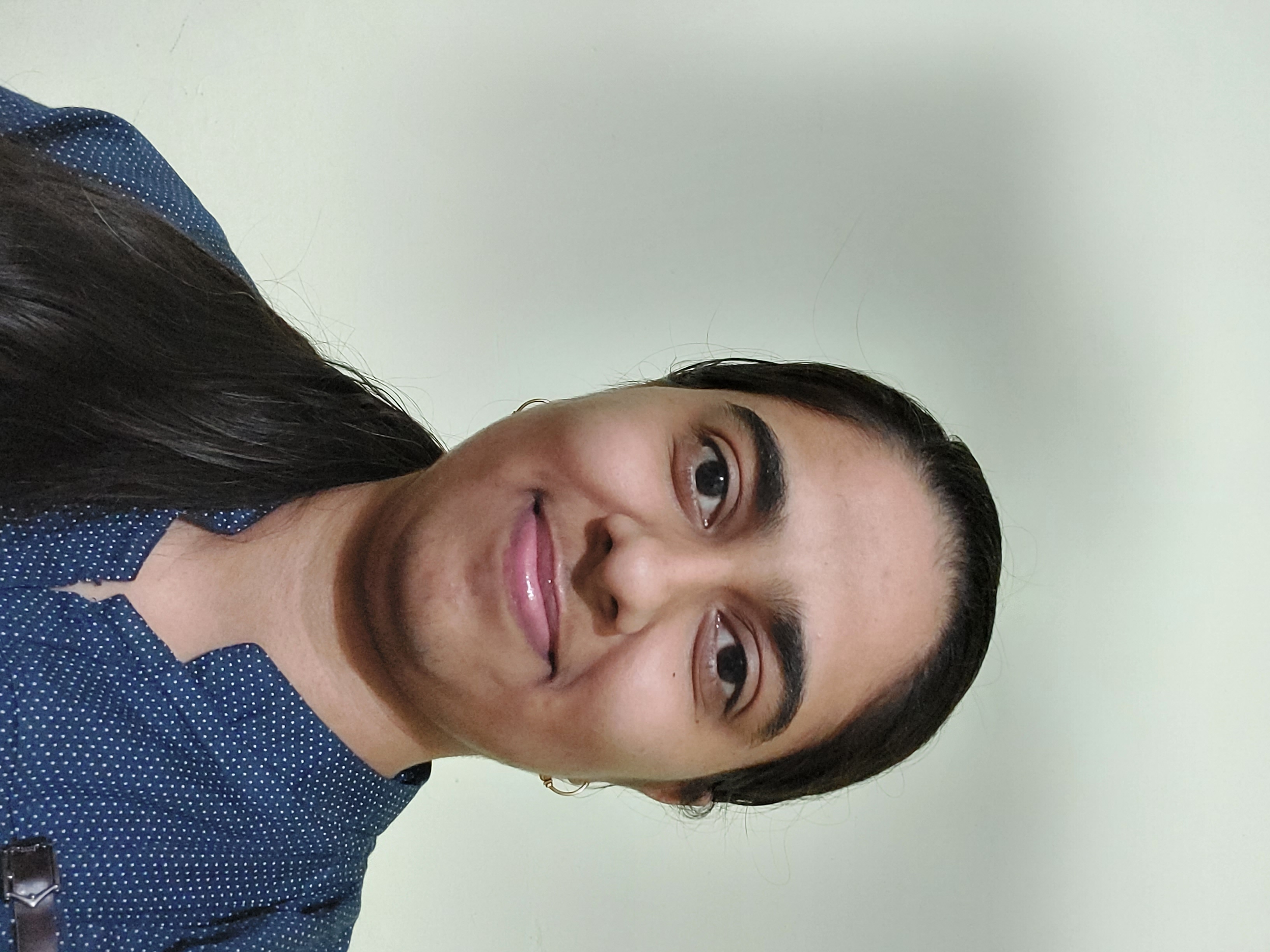
Halò Scotland! My visit at EPCC
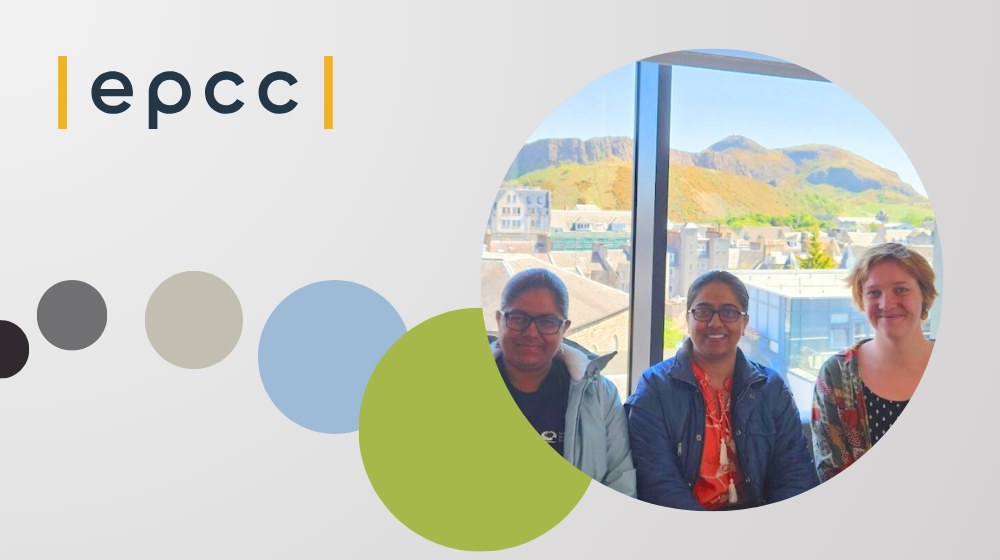
Image: (Left to Right) SSI Fellows: Saranjeet Kaur, Jyoti Bhogal, Samantha Wittke at EPCC, Bayes Center, University of Edinburgh against the backdrop of the Holyrood Park (Salisbury Crags on the left, Arthur’s Seat on the right). Image credit: Catherine Inglis.
As part of my SSI Fellowship project, I was invited to visit EPCC at the University of Edinburgh and give a talk about my work. This was following my participation in the Collaborations Workshop 2025 organised by the Software Sustainability Institute (SSI) at the University of Stirling. I was joined by SSI Fellows Samantha Wittke and Saranjeet Kaur.
On the day, Catherine Inglis and Neil Chue Hong welcomed us to the Bayes Centre at EPCC. The robots on the ground floor of the Bayes Centre are hard to miss, and I must say, I was captivated by them! We all went on a tour of the EPCC building and met several members of the team there. Later, we stepped out and had a lunch break in the beautiful and sunny campus of the University of Edinburgh. It was during the chats with Catherine and Neil, I got to know that the Unicorn - an imaginary creature - is the National Animal of Scotland, and then it made sense to me why the buildings in Edinburgh have so many unicorn statues!
There were two talks planned for the day. The first one was by Samantha, who shared about the CodeRefinery project and her work with the Nordic RSE. Later, I presented my talk on the ongoing ‘Research Study on the Research Software Engineering (RSEng) Landscape in Asia’. Coincidentally, there were a few common points touched during both the talks - maybe CodeRefinery and RSE Asia could collaborate more closely in the future, but for now, I will focus this blog on my talk!

Image: Jyoti Bhogal speaking about her “Research Study on the Research Software Engineering (RSEng) Landscape in Asia” at EPCC, Bayes Center, University of Edinburgh.
What is RSE Asia?
We (I and my co-Founder Saranjeet Kaur) launched the Research Software Engineering Asia Association (RSE Asia) back in 2021, on the very first International RSE Day, as there was almost no awareness about Research Software Engineering in the Asian region. Over the past 3+ years we have conducted and participated in various events and workshops to raise awareness about the profession and the community. Based on the reflections over this period, I started to explore the RSE landscape in the Asian region to get better informed insights.
What is my project about?
The motivation for this project developed after reflecting over several of the community initiatives and interactions that RSE Asia had with the community in the region. I was further encouraged to take this work ahead when I proposed the idea during my talk on ‘What is Research Software and Why Should we Think About its Sustainability?’ at the 58th meeting of the Asia Pacific Advanced Network (APAN58) during August 2024, which was attended by delegates from across Asia Pacific as well as the globe. I have been developing this idea since then, and have been encouraged and supported to do so by several RSE community members, SSI fellows, and community leaders.
Speaking of why this study is required - this study is essential for several reasons, some of which are the need to diversify and expand the research software landscape, attempt to address the lack of formal RSE roles in Asia, leverage international partnerships, and further build a supportive community within Asia.
SSI has been conducting surveys to study the RSE landscape since 2018. However, there has been almost no representation of Asia in these surveys. This makes my research study even more essential.

Image: RSEs in the world in 2018, originally shared in the SSI blog What do we know about RSEs? Results from our international surveys.
Within Asia, the Asia-Pacific Advanced Network (APAN) is an organisation that represents member institutions as well as it is a backbone network connecting member countries and regions to each other and to other international research and education networks. I am a member of APAN’s Open and Sharing Data Working Group (OSDWG). This working group engages in dialogue and activities to promote good open science practices within research roles/institutes in the Asia Pacific. RSE Asia has had a consistent voice and representation during the biannual APAN meetings as a part of this working group. Through these engagement, we realised the common interests we share with the working group and their intentions to help support the objectives of RSE Asia. Asia, being a very complex and diverse region both, culturally and economically, it is essential to have the support from an established working group like the APAN’s OSDWG so as to have a better understanding of the research software landscape in the region.

Image: APAN Current Members (as of December 2024). Source of information for creating map: APAN website.
So far in this project, I have been able to refine and adapt the existing SSI surveys to make them suitable for the Asian context. I have also launched a pilot survey with a small group in APAN’s OSDWG to gain first-hand feedback on the survey so far. Next, I plan to refine the survey further based on this feedback before launching the full survey to a larger group. If you are either a researcher based in Asia or have worked in the Asian region or collaborate with colleagues in Asia, then please watch the RSE Asia page for updates about my project and the survey - I would love to hear from you!
Concluding the day
After the talks, we spent some time discussing our work with the audience, which smoothly transitioned into EPCC’s ritual of ‘Friday Buns’. We discussed the challenges and way forward. Later that evening, I walked up the Calton hill (recommended by many) and got to see a 360° view of the city, the valleys, as well as the beautiful North Sea. Being a bright, sunny day, with the sun setting almost post 10 pm, I went for a walk to the Portobello Beach, and loved every bit of it!
I sincerely want to thank Neil Chue Hong for inviting me to EPCC and to Catherine Inglis for all the hospitality she offered. Last but definitely not least, a big thanks to Sohail Sukhiani and Oscar Seip for offering me a lot of behind-the-scenes support. I immensely value this opportunity of personal and professional growth!
Resources:
Talk slides: https://zenodo.org/records/15450346
Get In Touch:
Email: bhogaljyoti1@gmail.com
LinkedIn: www.linkedin.com/in/jyoti-bhogal
GitHub: https://github.com/jyoti-bhogal
Mastodon: https://mastodon.social/@jyoti_bhogal
Bluesky: https://bsky.app/profile/jyoti-bhogal.bsky.social
Website: https://jyoti-bhogal.github.io/about-me/index.html
Bookmark this page
Bookmarked
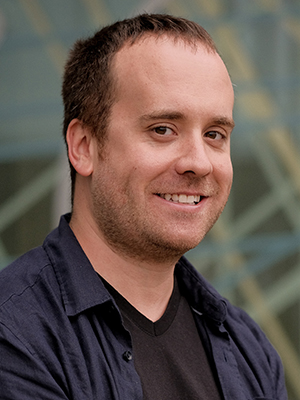
ConveRSE - Let's talk about Mental Health
I’m now a few months into my SSI Fellowship, where I am continuing the conversation around mental health in the Research Software community.
A lot has happened, so I thought it was time for an update.
In March, I announced my SSI Fellowship and set out my plans for the next year-or-so. A lot has happened since then. I’ve become a Mental Health First Aider, attended some events and launched a website. So, let me catch you up on what has happened and how my plans have evolved.
CW25
The 2025 SSI Collaborations Workshop was held in the shadow of the Wallace Monument at the University of Stirling in May.
The event took place during Mental Health Awareness Week, so it seemed like the perfect opportunity to talk to people about my fellowship. I gave a lightning talk summarising my plans, launched the ConveRSE website (which you can read about below), and gave out my first batch of leaflets and laptop stickers. I had several conversations with people about mental health, and even got to use some of my MHFAider training. I made some notes on the challenges faced by RSEs, as well as some tips and advice for self-care from different people, which will eventually end up on the ConveRSE site. A few people also offered to contribute by helping with the development of the site or writing blog posts for it, which is fantastic.
On top of all that, I got to meet my fellow Fellows and hear about the fascinating and varied things they’re all doing (check out their profiles for more info!). I was also involved in several fascinating discussions, including pitching a project to highlight the challenges faced by RSEs and other RTPs. Unfortunately, the project didn’t get enough votes to become a hack day project. However, I did get involved with BRIDGE (Better Research via Inclusive Design-Driven Guided Experiences), a project to bring together advice on design-based development and creating accessible websites.
As always, CW was one of the highlights of the year for me, but this year was particularly special. Thank you so much to everyone who came to talk to me!
ConveRSE
ConveRSE is the website that will serve as a hub for mental health information and support, including updates on the progress of my fellowship and collaborations with others in the community. It has the tagline “Let’s talk about Mental Health”, which reinforces one of the key messages I want to get across: it is better to talk about mental health problems and to attempt to address any issues before they become bigger problems. It is also a hub for mental health information. We are compiling tips for looking after yourself, your team and your colleagues, along with links to various other charities and organisations across the UK that support mental health (with plans to expand it to include less UK-centric information, but we’ve got to start somewhere!).
I did a soft launch of the site at CW25, allowing me to get some feedback on the prototype version. Based on feedback from CW25 and conversations with colleagues from the Newcastle RSE team, I’ve been working to make the site more user-friendly and accessible. There’s still more work to do, but I feel like it’s really starting to take shape.
Moving forward, the plan is to engage with other fellows and the #mental-health channel on the RSE Society Slack to start adding more content. I also want to include blog posts (including stories, tips and resources) from a wide and diverse group of contributors to help maximise the impact of the site. These can be posts about anything relating to mental health. What quirky things do you do to stay sane in the workplace? What have your colleagues or line manager done to improve morale in your team? What tools do you use to help manage your life-work balance more effectively? We want you to share these things with us, as while they may not work for everyone, they may help some people to improve their mental health and wellbeing.
More information on how to get involved can be found on the site’s Contribute page.
Final Thoughts
I have been quite fortunate that I’ve been able to hit the ground running with my fellowship work. I probably won’t be able to maintain this pace for the next nine months, but I’m optimistic that we can build a community around this, continue the conversation and push for better mental health in our community.
Follow me and the SSI on social media, or join the ConveRSE mailing list to keep up to date with the latest developments.
Thanks for reading.
Take care of yourselves!
Bookmark this page
Bookmarked
Fellowship of the Data - International RDM Community Meeting
Event info
On the 1st and 2nd of April 2025, I attended the Fellowship of the Data event in Jena, Germany’s second national Research Data Management (RDM) community meeting. This is a community-driven event to bring together RDM professionals at various career stages. I went to present a poster on my research, “RDM, FAIR, and data sharing practices and perceptions of people who work with sensitive health data”.
Despite being a German meeting with most attendees from German research institutions, it was a surprisingly international community, with people from all over Europe and beyond! The event was full of community, interesting discussions, lots of Lord of the Rings memes, and as with many international meetings, I made new connections with UK colleagues I had not managed to meet in the UK.
Day 1
Day 1 kicked off with a lovely welcome from the organisers, and Benjamin Slowig gave an overview of the whole German RDM landscape. The first keynote was made up of 2 interesting talks; Britta Petersen (Kiel University), in a Matrix themed presentation, covered how learning objectives could be the foundation of future training for data stewards, and Mijke Jetten (Health-RI) gave examples of how the Netherlands are bringing together community, training and practice in FAIR data stewardship, including through networks like ELIXIR, and the Dutch Data Steward Interest Group.
After an all-important lunch break, the day continued with a session around diversity of RDM tasks and roles. Kevin Lindt (TU Ilmenau) and Stefan Kirsch (EAU Jena) took us on an entertaining Lord of the Rings-themed journey of their Rent a Data Steward initiative in Thuringia. Michael Feichtinger (University of Vienna) then walked us through building a data stewardship network and team in Vienna.
I and the other poster presenters for Day 1 then gave flash talks - a mini advert to pique people’s interest in our poster - before the full poster session with snacks. I had some fascinating conversations and made new connections with colleagues from NFDI4Health, Germany’s national research data infrastructure for personal health data.
The day ended with parallel sessions (Arts & Humanities, Life Sciences, and Data Competence Centres) where I got to know data stewards working in similar disciplines and had open, honest discussions on common issues we all faced. Again, building a supportive community was a key part of the event.
Day 2
In the morning of Day 2, I joined the community workshop session for data stewards to share essential tasks and how to overcome challenges. There were several ‘stations’ with different topics in the room which we rotated around every 15 minutes or so.
The third keynote of the event came from Antje Manske (GESIS/Base4NFDI) who explored how data stewards and other RDM professionals could use change management techniques to influence culture change at their institutions - inspiring to say the least!
Following another networking lunch, Samantha Pearman-Kanza (University of Southampton) gave the fourth keynote of the meeting, an in-depth talk on the ups and downs of using Electronic Research Notebooks. There was also a sneak peek into the new Careers and Skills for Data-Driven Research (CaSDaR) network she is leading, with some familiar faces appearing as co-leads, Simon Coles, James Baker, and the Software Sustainability Institute’s very own Director of Strategy, Simon Hettrick.
The final session of Day 2 was another poster flash talk and presentation session; most posters and presentations from the event are available on the Fellowship of the Data Zenodo page. Finally, the event closed with a summary from the wonderful organisers before we parted ways until next time.
Conclusions
A key theme and stand-out of the event was community and peer learning, which was really important and lovely to see. Everyone was incredibly welcoming and refreshingly open and honest. A lot of RDM professionals work in isolation or very small teams so meetings like this are vital to professionalising our roles and feeling connected and heard in an academic world that often sees RDM as an afterthought.
It was interesting how similar the RDM challenges in Germany are to the UK. I came away full of inspiration for both my SSI Fellowship and research, and feeling inspired to keep building connections and community internationally. Hopefully I’ll be able to attend a future iteration of this fantastic event!
Thank you to the Software Sustainability Institute for funding my travel and attendance at this meeting.
Bookmark this page
Bookmarked
Becoming a Mental Health First Aider
Trigger warning - this post discusses mental health crises, including mentions of anxiety attacks and suicide.
As part of my SSI Fellowship, I’m continuing the conversation around mental health in our community. This is an important subject, one that I care deeply about and one with which I, unfortunately, have quite a lot of experience. But it’s also something that I knew had to be handled carefully. So, I used some of my Fellowship funding to attend Mental Health First Aider training.
But what is a Mental Health First Aider? What did I learn from the training? And would I recommend it?
What is a Mental Health First Aider?
As the name suggests, a Mental Health First Aider (MHFAider) is trained to deal with mental health emergencies. Like a regular first aider, our job is to assess problems and do what we can to help, but mainly to pick the person up and pass them on to qualified professionals for further support. I am not a therapist, and I’m not meant to give advice, especially in a crisis. But I can try to calm someone down if they are having an anxiety attack, for example. Failing that, I can refer them to emergency services, whether it's the Samaritans or an ambulance.
But the role goes beyond supporting someone in a crisis. MHFAiders are trained to recognise warning signs, encourage people to seek help, provide confidential support and signpost additional resources. We are also expected to be advocates for better mental health in the workplace.
The Training
The training cost £390 and took place over two days. There are regular in-person courses held by various organisations nationwide, but the one I attended was online.
Ivy, our trainer, guided us through what an MHFAider is, then discussed a range of mental health problems and taught us how to approach people and provide support in different situations. Several times, we were split into groups to discuss and report back on some case studies and statistics. Finally, we were introduced to some tips for self-care, which is essential, as we can’t help others if we don’t look after ourselves.
Some sessions were quite intense, and I found some conversations particularly challenging when they were about issues that have affected me or my family and friends. But the tricky topics were handled well, and I feel like I learned a lot.
Key Takeaways
My main takeaway from the training is that I now feel more confident talking (and listening!) to people about mental health. However, there were also a few things that stood out that I wanted to share with you.
The Cost of Absence
In the talk that I’m giving as part of the Fellowship, I talk about having to take time off work after an anxiety attack and the cost of that absence to my employer. I do this to illustrate that investing in your team’s wellbeing can actually save money (as well, you know, being the right thing to do!).
The course included statistics about the cost on a national scale. Absence due to mental health issues causes 72 million working days to be lost each year, costing UK employers an estimated £45 billion! This helped me realise the scale of the problem and emphasised how important it is to ensure people have access to proper support.
Other statistics
Some other statistics were, sadly, less surprising.
- People who identify as LGBTQ+ are more likely to report mental health issues than heterosexual people.
- A higher percentage of black people experience mental health issues than white people.
- Disabled people report a higher percentage of issues compared to non-disabled people.
- Women are more likely to experience suicidal thoughts, while deaths by suicide are three times higher amongst men.
As I said, not really surprising, particularly given everything happening in the world right now! But it shows that mental health problems can affect us all. And that we will need a range of solutions to ensure everyone gets the support they need.
Stress Containers
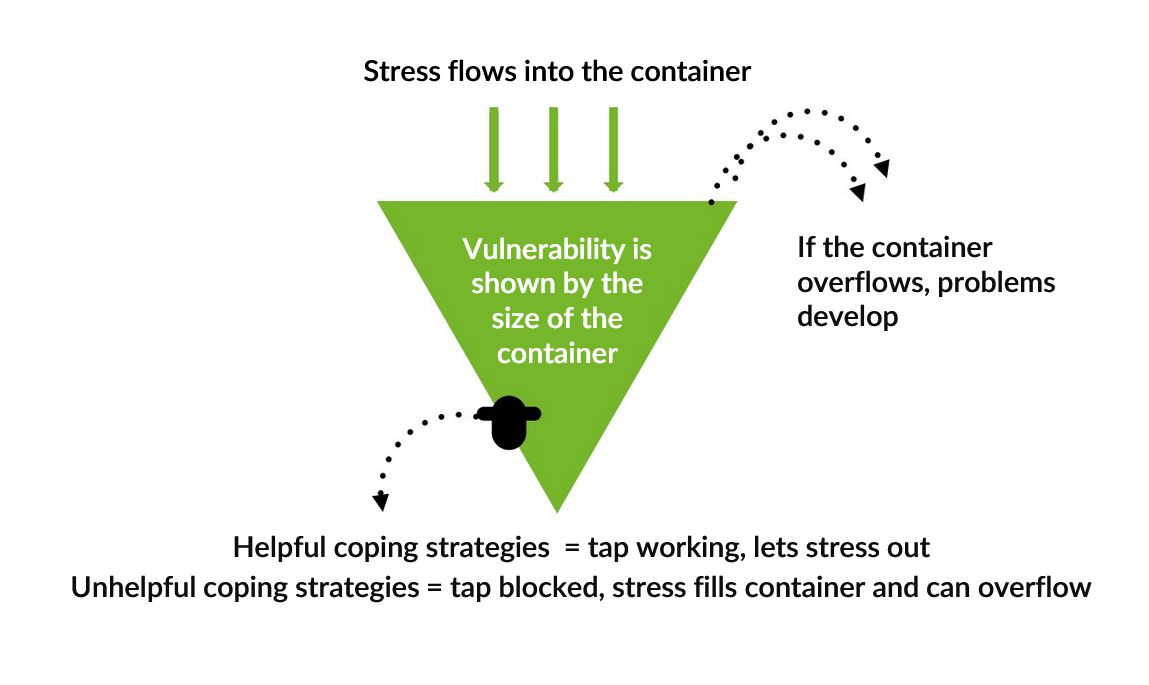
We were also shown a useful visualisation about stress management, known as a ‘Stress Container’. I’ve included the illustration below.
An illustration of a Stress Container. Arrows show stress flowing into the container. A tap shows how helpful coping strategies can let the stress out. The illustration shows that problems occur when the container overflows.
The container is constantly filling with stress from a variety of sources. Unfortunately, a lot of it is out of our control, and neither you nor I can make it go away! The key is to turn the tap to release the pressure; we need healthy coping strategies to manage our stress levels. If we don’t, the container overflows, and that’s when problems occur.
That was a good metaphor that I hadn’t encountered before, and I think it shows the importance of self-care. It also makes it easy to understand our differences. Everyone’s container is a different size and shape, and we each need to find different coping mechanisms that work for us.
Final Thoughts
So, would I recommend becoming an MHFAider? Well, we definitely need more people advocating for better mental health in the workplace. I believe that most teams could benefit from having at least one MHFAider, as they can spot issues and prevent them from becoming bigger problems, improve the team's well-being and productivity, and save money in the long run.
As an individual, well, it can be a challenging and intense course at times, and it might not be for everyone. But I learned a lot, not just about how to support others, but also how to look after myself. I think it was worth doing, and I’m very grateful to the SSI for giving me the opportunity to do it.
If you want to know more about MHFAiders, check out one of the following organisations: MHFA England, Scottish MHFA, MHFA Wales or AMH in Northern Ireland.
Bookmark this page
Bookmarked
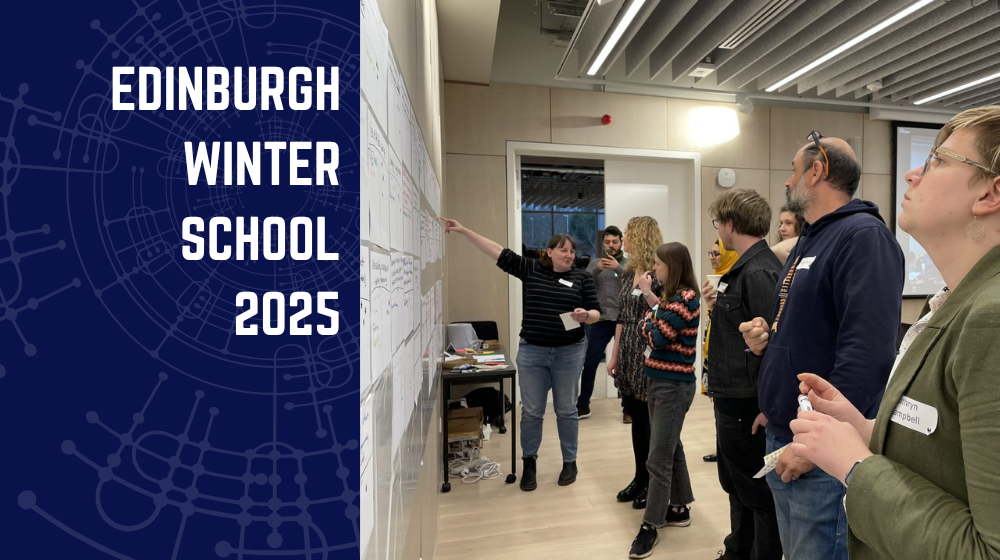
Winter School 2025: Organisers’ Tips and Tricks
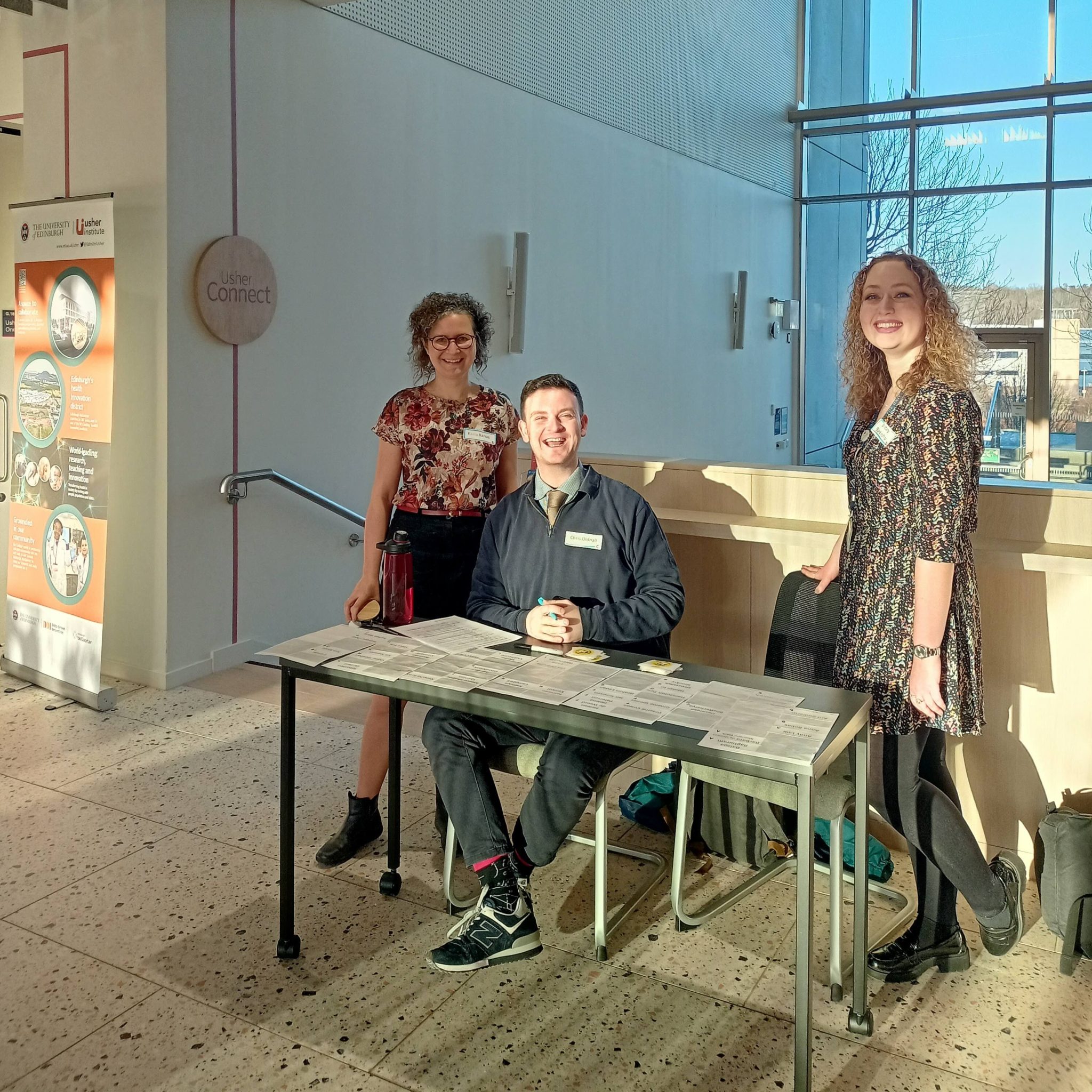
After the success of Edinburgh Winter School 2024, we decided to do it again in 2025. This time, a few things were a bit easier. For example, we started the planning and advertising process in September 2024, giving ourselves a realistic timeline until the event date on 8th January 2025. We also had a tested team, with colleagues from across university departments, all willing to help and experienced in their respective tasks. But, a few things were more challenging: we decided to hold the event in a different venue (Usher Building, which is home to quite a few members of the organising team, but is located further out of town), we opened many more slots for short and longer attendee talks (leading to more admin around talk submission, selection and delivery), and I personally had another large event scheduled for the day after the Winter School.
Reception team at the start of the event
The team have gathered a lot of statistics and practical documents summarising how we organised the event, and what advice we would give to anyone wanting to organise something similar in the future. For example, we know that for in-person participation, 99 people said they were interested, 89 confirmed that they would attend, and 71 eventually attended the event. For online participation, 77 people said they were interested and 65 eventually attended (this includes a few people who were signed up to attend in person and switched to online). These numbers are useful to have because they help with planning things like the number of tables and seats to set, or the amount of catering that should be ordered. Being a bit of an obsessive planner, I do always worry that we will run out of chairs or sandwiches, or that we’ll be left with lots of food going to waste. But, I have been learning to let go and make estimates based on previous runs of the event (e.g. we ordered lunch for 80 people, but the drinks reception was estimated as 60, as we knew from last year that quite a few people needed to head home early). If you are interested in getting more of our estimates and advice, please feel free to reach out at pairprogramming@ed.ac.uk.
A humbling experience for me as one of the organisers has been sending the invitations to keynote speakers. As I become more senior and more busy, I definitely expect “No” to be everyone’s default answer. Imagine my surprise and absolute delight when the three keynote speakers I approached, Greg Wilson, Yanina Bellini Saybene, and Felienne Hermans, accepted our invite. Felienne even offered to attend the conference in person (granted, it would have been a much more difficult task for Greg and Yanina, who are based in Canada and Argentina). Both keynotes were excellent and the participant feedback suggests that they were a highlight for the participants – many feedback comments mentioned Felienne’s engaging delivery style and the important message in her talk (there is no merit in making things difficult; we should be making programming easier for our students!).
Another fantastic part of the Winter School has been the groundwork that we have done for putting together an edited book about teaching programming across disciplines. We encouraged conference participants to propose topics for chapters that they would like to contribute to the book. Putting these on a big whiteboard (and in the chat for online participants) meant that anyone could also add their name to a chapter already proposed. We now have 48 book chapter suggestions and will be working with all authors to make them reality. Over the next 2 years, we will facilitate writing retreats, provide editing support and spread the word about the book, so that the programming education community can come together in creating this resource. For more information about the book (and to submit your chapter ideas), please check out the dedicated page.
Bookmark this page
Bookmarked
The Prospects of DAHRSEs in the Midlands for AHRC Doctoral Landscape Awards
In recent years, the integration of digital technologies into the arts and humanities has opened new avenues for research and innovation. One of the key drivers of this transformation is the emergence of Digital Arts and Humanities Research Software Engineers (DAHRSEs). These professionals possess a unique blend of technical expertise and a deep understanding of the arts and humanities, making them invaluable assets in the research landscape.
The Role of DAHRSE in the Midlands
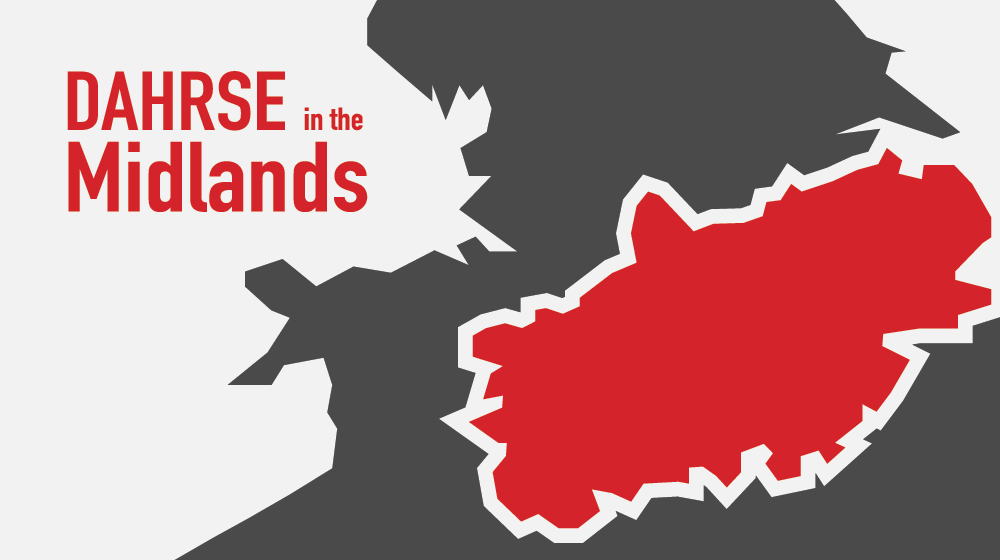
The Midlands region of England, known for its rich cultural heritage and vibrant academic community, is an ideal setting for the growth of DAHRSE. These engineers are instrumental in developing and maintaining the digital tools and platforms that facilitate cutting-edge research in the arts and humanities. From developing complex data visualisation tools and text mining algorithms to creating sophisticated databases and designing interactive digital exhibits, DAHRSE are at the forefront of technological innovation in this field.
Enhancing Doctoral Research
The recent announcement by the Arts and Humanities Research Council (AHRC) that seven higher education institutions (HEIs) in the Midlands will receive Doctoral Landscape Awards is a significant milestone [1]. These awards recognise excellence in arts and humanities research and pave the way for future advancements in these fields. The universities receiving these awards are:
- The University of Warwick
- University of Leicester
- University of Birmingham
- University of Nottingham
- Birmingham City University
- De Montfort University
- Coventry University
One crucial aspect that can further enhance the impact of these awards could be the inclusion of Digital Arts and Humanities Research Software Engineers in the Midlands (DAHRSE-Midlands) [2] during the training of these future leaders.
The Potential Impact of DAHRSE-Midlands
Digital Arts and Humanities Research Software Engineers in the Midlands (DAHRSE-Midlands) could play a pivotal role in bridging the gap between traditional humanities research and modern digital technologies. They will bring technical expertise to the table, enabling researchers to harness the power of digital tools and methodologies. This integration will be essential for several reasons (but not limited to):
- Enhanced Research Capabilities: DAHRSE-Midlands could provide the technical know-how to develop and maintain complex digital projects. This includes creating databases, developing software for data analysis such as sentiment analysis of historical texts, named entity recognition (NER) to classify entities within texts, and topic modelling to identify main themes within document collections, and building digital archives. Their skills will ensure that humanities researchers can tackle more ambitious projects with greater efficiency and accuracy [3].
- Interdisciplinary Collaboration: The presence of DAHRSE-Midlands could foster collaboration between humanities scholars and technical experts. This interdisciplinary approach will lead to innovative research outcomes that would be difficult to achieve in isolation. For instance, digital humanities projects often require expertise in both historical research and software development [4], while digital arts projects may involve collaborations between artists and technologists to create immersive experiences.
- Future-Proofing Research: As the digital landscape continues to evolve, the need for advanced technical competence will become increasingly important. DAHRSE-Midlands will ensure that arts and humanities research remains relevant and can adapt to new technological advancements. This future-proofing will be crucial for maintaining the long-term impact of research funded by the AHRC awards [5].
- Training Future Scholars: By incorporating DAHRSE-Midlands into doctoral programs, universities will equip future scholars with the skills needed to navigate the digital age. This training will not only enhance their research capabilities but also make them more competitive in the job market. Scholars trained in digital humanities and arts will be better prepared to contribute to a wide range of fields, from academia to industry [6].
Conclusion
The inclusion of Digital Arts and Humanities Research Software Engineers (DAHRSEs) in the AHRC-funded doctoral programs could be a forward-thinking strategy that will significantly enhance the technical competence of future scholars. By investing in DAHRSEs, the awarded universities will ensure that their research remains at the cutting edge of both the humanities and digital technology, ultimately leading to more impactful and innovative research outcomes [7].
References
[1] “AHRC Doctoral Landscape Award Allocations,” UK Research and Innovation. Accessed: Mar. 2, 2025. [Online]. Available: https://www.ukri.org/publications/ahrc-doctoral-landscape-award-allocations/
[2] “Digital Arts and Humanities Research Software Engineers in the Midlands,” DAHRSE-Midlands. Accessed: Mar. 2, 2025. [Online]. Available: https://dahrse-midlands.github.io/
[3] “Supporting digital skills of arts and humanities researchers,” Software Sustainability Institute. Accessed: Mar. 2, 2025. [Online]. Available: https://www.software.ac.uk/blog/supporting-digital-skills-arts-and-humanities-researchers
[4] “About – Arts and Humanities Research Computing,” Harvard University. Accessed: Mar. 2, 2025. [Online]. Available: https://digitalhumanities.fas.harvard.edu/about/
[5] “Report on the AHRC Digital/Software Requirements Survey,” Software Sustainability Institute. Accessed: Mar. 2, 2025. [Online]. Available: https://www.software.ac.uk/blog/report-ahrc-digitalsoftware-requirements-survey
[6] “Reforming Doctoral Education for the Knowledge Society: A competency development perspective,” ERIC. Accessed: Mar. 2, 2025. [Online]. Available: https://files.eric.ed.gov/fulltext/EJ1308100.pdf
[7] “Digital Arts and Humanities Research Software Engineers in the Midlands,” DAHRSE-Midlands. Accessed: Mar. 2, 2025. [Online]. Available: https://dahrse-midlands.github.io/