


Join the Swiss Research Software Engineering (RSE) Annual Conference 2026 on 31 August 2026 at the CAB Building, ETH Zurich. This full-day event brings together RSEs from academia, research, and industry, featuring keynotes, presentations, and a poster/demo session.
Old Tag
Hackdays
Category
Bookmark this page
Bookmarked
New guide: Inclusive Event Planning from Start to Finish
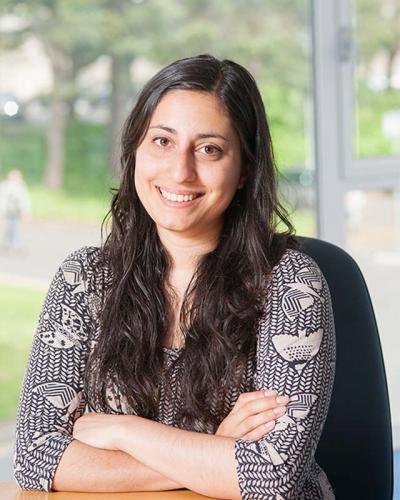
As part of our new series on Equality, Diversity, Inclusion, and Accessibility in research software, we have published a new guide, Inclusive Event Planning from Start to Finish, written by Laura Crawford.
Bookmark this page
Bookmarked
Registration is now open for the International Research Software Conference!
Registration for the International Research Software Conference (IRSC) is now open via Eventbrite!
The International Research Software Conference (IRSC) will take place on 7 & 8 September 2026, co-locating with RSEcon26 in Sheffield, UK. There will also be an opportunity for remote participation.
The event will host a global gathering of leaders and change-makers working to advance global shifts toward strategic coordination, long-term sustainability, and high-level collaboration across the research software community.
Bookmark this page
Bookmarked
EIDF Town Hall Meeting
The next EIDF Town Hall meeting will take place Tuesday, 5 May, from 09:30 - 11:40 at the Bayes Centre, University of Edinburgh, or remotely. The event is dedicated to showcasing how the Edinburgh International Data Facility's private research cloud infrastructure can support R&D activities.
Speakers
Bence Szilágyi | Co-Founder @ Garandor
Bence Szilágyi is the co‑founder and CTO of Garandor, a startup focused on minimising IP and GenAI risks through content filtering and advanced digital watermarking. Their work combines computer vision, signal processing, and trustworthy AI to detect and filter AI‑generated content and protect intellectual property across multiple modalities.
Dr. Allan Williams | Head of National Collection of Aerial Photography
Dr Allan Williams is Head of the National Collection of Aerial Photography (NCAP) one of the world's largest and most significant collections of aerial imagery. Despite the collection's six-fold growth to 30 million images, he ensures operational costs are covered through commercial ventures and grant funding.
Dr. Jing Su | Head of Bioinformatics Analysis Core (BAC) and Genomic Data Analysis Centre (GDAC)
Dr Jing Su leads the Bioinformatics Analysis Core (BAC) and the Genomic Data Analysis Centre (GDAC), supporting both research and clinical genomics across NHS Scotland.
Her work focuses on translating genomic data into clinically actionable insights. She supports the delivery of whole exome sequencing for rare disease diagnosis and leads a Scottish Government–funded cancer genomics pilot to embed genomic analysis as a standard of care for cancer patients across NHS Scotland.
Her work bridges research and healthcare, driving the implementation of genomic medicine into routine clinical practice and improving patient outcomes at scale.
Dr. Jano van Hemert | Director of Data Services
Why you should attend
- Discover real-world use cases: Learn how EIDF supports diverse projects from data-intensive research to innovative applications.
- Engage with experts: Hear from our speakers about their experiences utilising EIDF in their professional and academic pursuits.
- Interactive sessions: Participate in Q&A after each presentation, and gain insights directly from those at the forefront of their fields.
- Stay updated: Receive the latest updates on new features and upcoming opportunities within the EIDF ecosystem.
Who should attend
This session is open to private companies, academics, and public institutions, highlighting the versatility of our private research cloud. If you’re a current or prospective EIDF user, whether a Principal Investigator, data scientist, or data analyst, you’ll get an inside look at everything the EIDF data science cloud offers. Newcomers can discover how to access and benefit from our resources, while returning users can find solutions to specific questions or challenges. Meet our experts, explore new partnerships, and learn how our cutting-edge infrastructure can advance your research and innovation.
If you wish to submit a question or topic in advance, please feel free to do so via this form: EIDF Town Hall Pre-submitted questions.
Bookmark this page
Bookmarked
AI Imaginary and World Models: From Seeing to Making Worlds
The Software Sustainability Institute and Lingnan University, Hong Kong, are proud to jointly feature a webinar on AI world models. The event will take place online on Friday 17 April between 9 and 10.30 BST.
As AI transitions from processing data to generating environments, this session asks the pivotal question: What happens when AI goes beyond simulating reality and begins actively building it?
Professor Sunil Manghani will challenge our understanding of cognition itself, asking whether AI’s capacity for “world-making” suggests reality is more computable—and more finite—than we ever imagined.
Professor Harry Yang will unveil World Action Models (WAMs), a breakthrough framework that allows robots to “imagine” the physical consequences of their actions before moving, paving the way for a new generation of embodied physical intelligence. Don’t miss this opportunity to explore the philosophical implications and technical breakthroughs defining how AI moves from seeing to making worlds.
The event will be moderated by SSI Fellow Gerui Wang.
Bookmark this page
Bookmarked
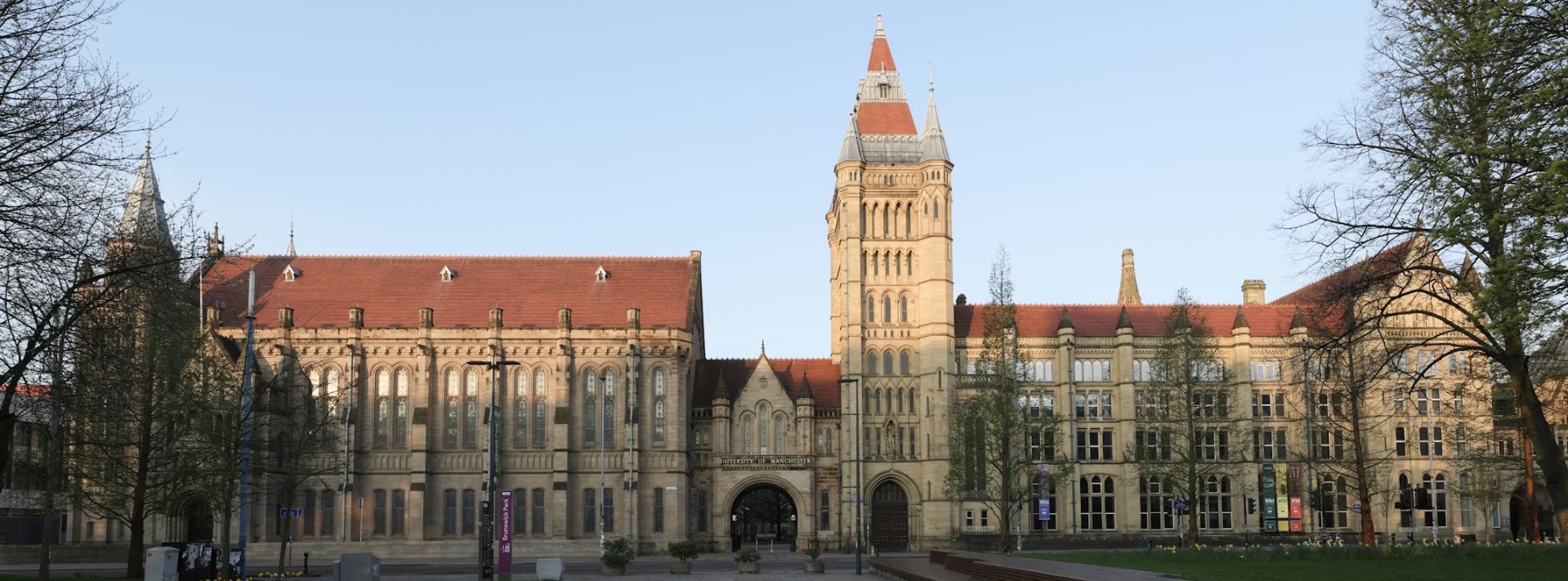

DH & RSE Summer School 2026 - Registration Now Open
The Software Sustainability Institute, in partnership with King's College London, the University of Cambridge, and the University of Edinburgh, is pleased to announce the Digital Humanities & Research Software Engineering Summer School 2026, taking place at the University of Manchester from Monday 29 June to Thursday 2 July 2026.
Attendance is free, and limited bursaries of up to £650 are available by application to support those who need financial assistance to attend.
Who should apply?
The Summer School is aimed at postgraduate students, researchers, academics, and technical professionals who use code and data in their work and are looking to engage more deeply with Research Software Engineering (RSE) practices. Participants from a wide range of disciplines are welcome — including history, literature, linguistics, archaeology, art history, musicology, cultural heritage, and many more. Some prior coding experience is desirable, though a computer science background is not required.
HomeNews and blogs hub
Bookmark this page
Bookmarked
Open source AI/ML guided drug discovery workshop: translating learnings from Africa to LATAM
Open source AI/ML guided drug discovery workshop: translating learnings from Africa to LATAM
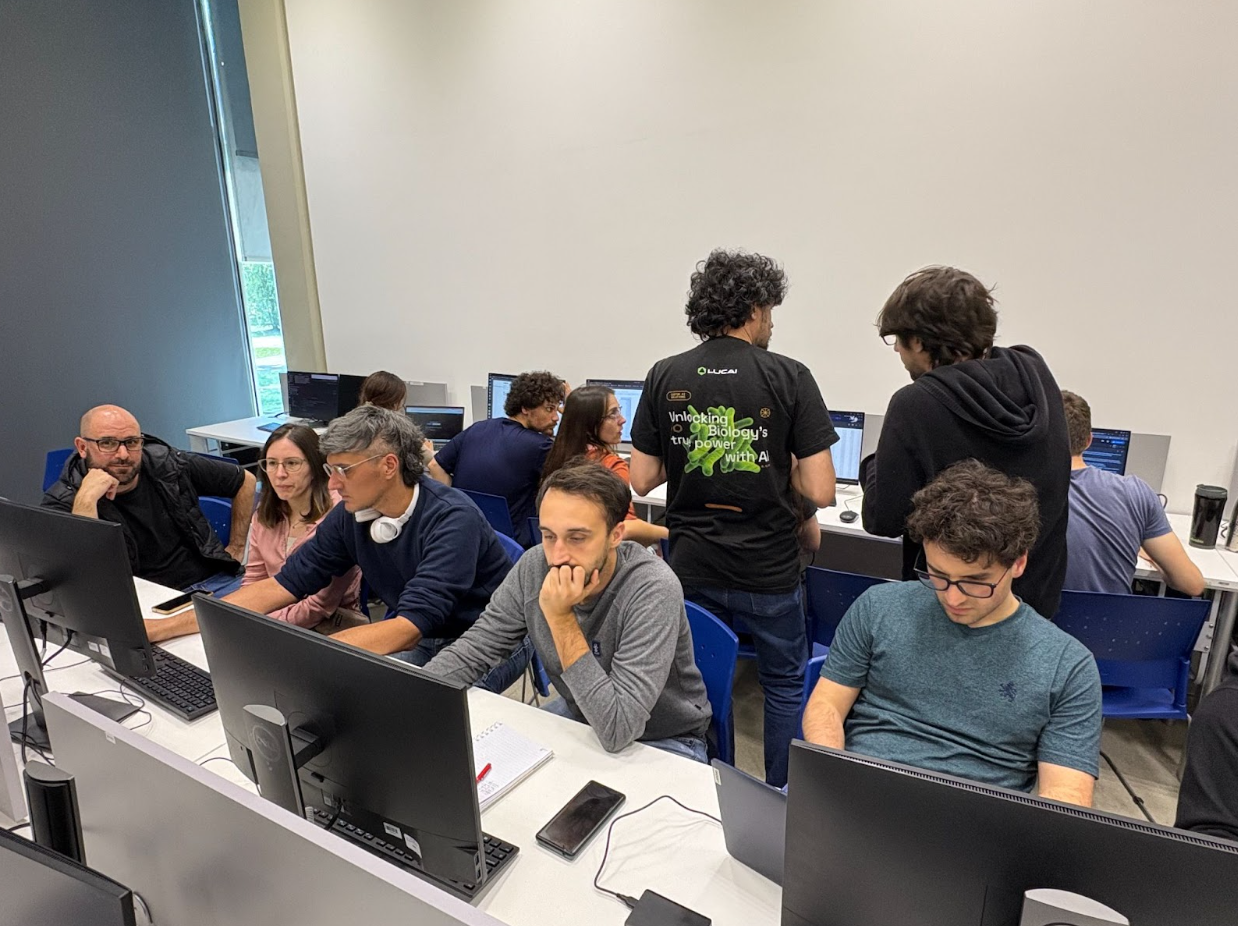
Image: Hands-on session ongoing at the Facultad de Ciencias Exactas y Naturales, UBA
The Ersilia Open Source Organisation, the research non-profit I co-founded and lead since 2020, was founded with a clear objective: equip laboratories in low-resource regions with open source AI/ML tools for infectious disease research. As part of our mission, we focus on three areas of impact: i) development of AI-based research software for drug discovery, ii) research in infectious diseases, and iii) capacity strengthening in AI. On the latter, we organise workshops on the application of AI methods for drug discovery and target medicinal chemists, molecular biologists, pharmacists and bioinformaticians in regions where these diseases are endemic. Oftentimes, we group the countries we support under the controversial “global south” term. While widely used to make a distinction between westernised or global north countries (a.k.a, Europe, North America and Australia), it lumps together very different countries, and is even geographically incorrect. Most of Ersilia’s work has so far been developed in Africa. Through a series of grant-funded events, we have delivered in-person workshops in South Africa, Cameroon, Kenya, Ghana and Zambia, and our experience in other “global south” countries, including the Latin American (LATAM) region, is scarce. Therefore, we were thrilled when the opportunity appeared to co-organise a workshop in Buenos Aires, Argentina.
For a successful event, having a local host that can support the event organisation, connect with relevant experts for course contributions and continue the networking activities after the event is key. In previous workshops co-organised with the H3D Foundation we have counted with the support of the University of Cape Town, the University of Ghana or the KEMRI, respectively. In this case, the connection arose naturally thanks to the Open Life Sciences program. After completing my own OLS training, I have acted as mentor for two Argentinian-based projects, MetaDocencia (led by Dr. Nicolas Palopoli) and TidyScreen (Dr. Alfredo Quevedo; Universidad Nacional de Córdoba). Through these collaborations, we identified a common interest in open science, LATAM-focused training and particularly, AI for drug discovery. Together, we designed an event with the following goals:
- Learn how to adopt open source AI models for drug discovery
- Understand the FAIR principles for research software
- Understand and get experience in the use of Open Source AI/ML tools for cheminformatics and drug discovery: The Ersilia Model Hub, TidyScreen, AutodockBias, and others
- Establish a community network of researchers and software developers in Argentina who are interested in utilizing open-source AI/ML tools for Cheminformatics and drug discovery.
At Ersilia, we were really keen to translate our learnings from African-focused workshops to this first event in LATAM, and adapt our content and training materials for future opportunities. Unlike other courses, on this occasion we counted with a strong local community developing their own tools for drug discovery, such as TidyScreen, which was a great starting point to consolidate a shared curriculum giving relevance to not only one, but several computational approaches to drug discovery. In addition to Ersilia’s and the University of Cordoba team, the facilitators included the hosts at the University of Buenos Aires, Prof. Marcelo Martí and Prof. Adrian Turjanski.
In this post, we try to summarise the key elements that made this course a success:
- Blending keynote sessions with hands-on practice with real examples. Previously we had to limit hands-on sessions to smaller exercises or less applied to real world, due to technical and infrastructural constraints
- Linked to the above, having a computer room set up for the entirety of the course accelerated troubleshooting and allowed for previous installation, system-wide of the needed software. This is truly location-dependent and we are really thankful to the University of Buenos Aires for their support.
- Focusing on reproducibility and training materials. Ensuring that participants will be able to reproduce the course, play with the software and propose improvements or make requirements based on their needs is essential to increase tool adoption. At Ersilia we always prepare a Gitbook for the course, and TidyScreen also has abundant and clear documentation and case examples.
- Demonstrating the relevance of open source software. The best demonstration of this is the integration of the Ersilia Model Hub, our flagship AI platform, inside TidyScreen. Dr. Quevedo and his team took the lead in integrating our software into their pipeline and showcasing how collaboration can bring more and better research outcomes
- Adapting the concepts to the local research interests. As much as possible, using context-relevant examples makes the course more appealing to scientists. In this case, we focused on antibiotic-resistant infections and Chagas disease.
- Moving beyond English. While English is the predominant language in the scientific arena, we should acknowledge the limitations it poses to non-native speakers (including the Ersilia team). For example, we struggled previously in French-speaking Cameroon. Translation can be expensive and time consuming, but we fully advocate for it as much as possible. This time around, all course facilitators were Spanish-speaking, and the entirety of the course was delivered in Spanish, even though written course contents and documentation were in English.
- Allowing for in-person interactive time. While online training enables wider access, the opportunity to spend time together with students and other researchers sparks discussion and collaboration that is slower to build in online settings. However, to ensure equitable participation, we offered a hybrid course, and online participants could join in all sessions, including the hands-on.
In sum, we offered a course that blended several open-source tools for drug discovery from local (Universidad de Buenos Aires), regional (Universidad Nacional de Córdoba) and international (Ersilia) organisations, demonstrating how different research software tools can interact and complement each other. We had fifty in-person and twenty online attendees, and after the four-days course, participants left with a solid understanding of how to use the tools, guidance for implementing the learnings in their own projects and a network of contacts to expand their career opportunities and research interests, a networking that continued in the adjunct RICiFa conference. The support through the Further Development Grant from the Software Sustainability Institute (of which I am a fellow) was key to enable the participation of Ersilia facilitators in the event.
Bookmark this page
Bookmarked
PyCon UK 2025 Through My Eyes: Creativity, Collaboration, and Community
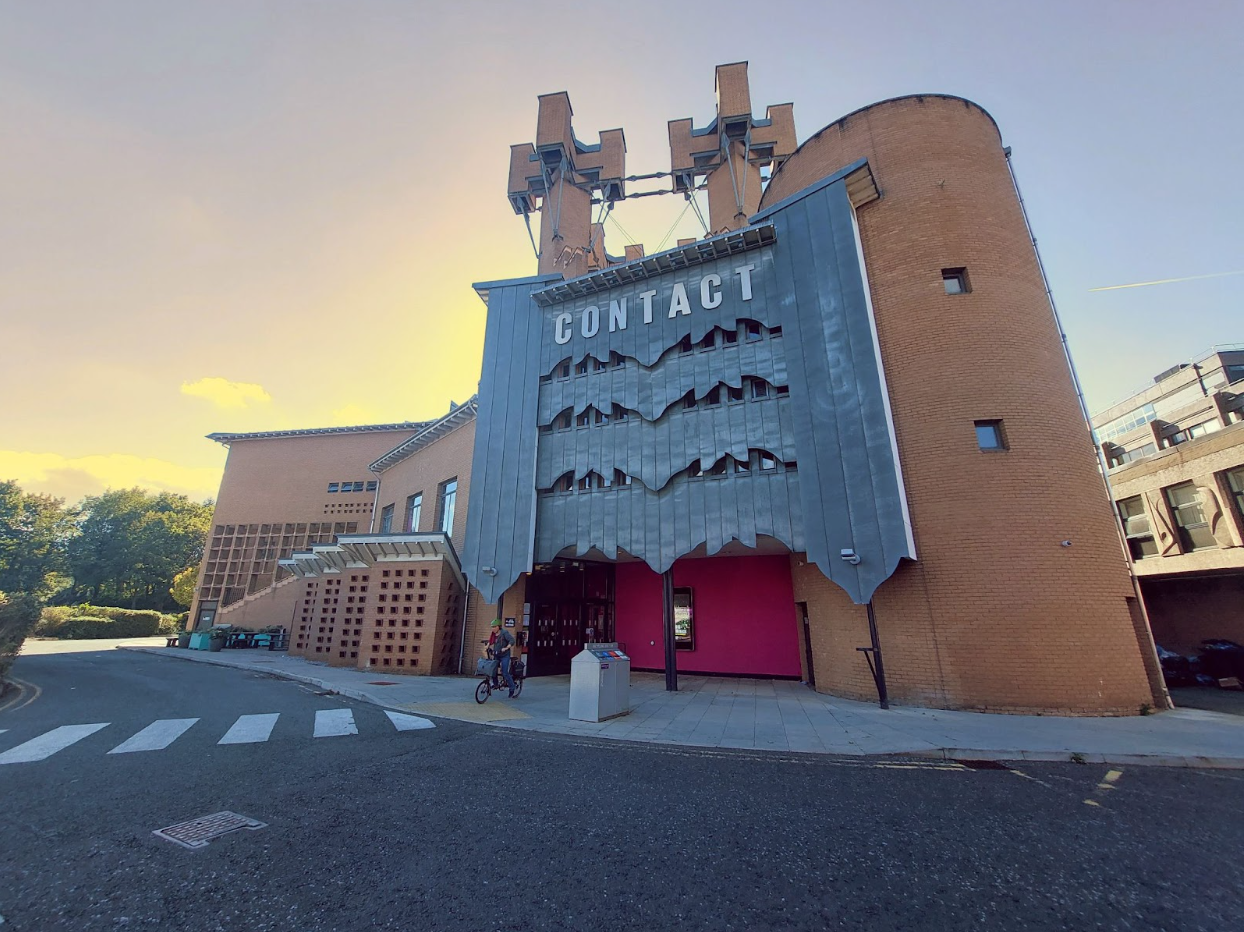
Header image: Picture of the conference venue, Contact Theatre, Manchester, with its architecture inspired by a castle.
PyCon UK 2025 took place at the Contact Theatre in Manchester, and the atmosphere was nothing short of inspiring - vibrant, diverse, friendly, and full of learning. Over four exciting days, the conference brought together an incredible mix of talks, workshops, collaborative dev sprints, amazing people, and, of course, great food. It was a space where ideas flowed freely, communities connected, and I had a lot of meaningful learnings to take away. The venue itself has a unique architecture, which is so conducive to creative and collaborative work.
Day 1
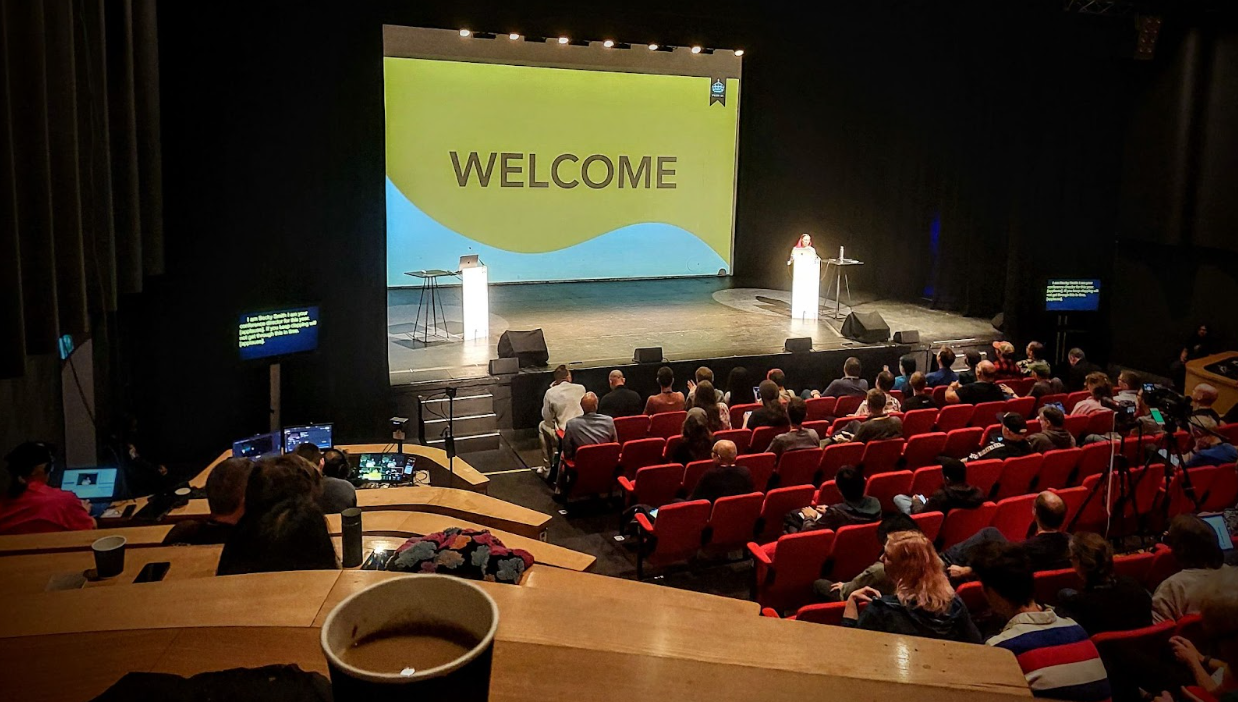
Image: Picture of Becky Smith giving the welcome note of the conference, image by me.
Day 1 began with a warm welcome note from Becky Smith, who introduced us to the Python community across the UK and beyond. The first keynote of the conference was delivered by Hynek Schlawack on “Python’s True Superpower.” Among the many insights, one key takeaway for me was learning about uv - a powerful Python tool that simplifies installation, project setup, and package management.
I also attended a fantastic talk by Sasha Romijn titled “8 Python Performance Mistakes I Will Not Make Again.” Sasha spoke in detail about common pitfalls such as skipping conversations about performance requirements with clients, making assumptions about bottlenecks without evidence, misreading profiling data, underestimating complexity, ignoring lessons from past work, and sticking rigidly to a single-core CPU. It was full of practical lessons that I’ll carry forward in future work.
Later in the day, participants were invited to pitch ideas for the lightning talks, which would take place in the final session. I pitched my idea on creating a Python package using Hatch for research data management - and it got selected! I eventually presented “Five Common Research Data Management Issues & How to Resolve Them: With Python Packaging using Hatch from PyPI.” You can watch the recording here, and the slides are available as well.
Day 2
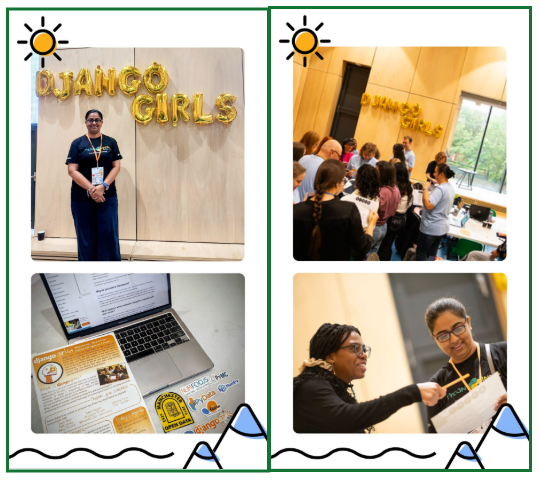
Image on the left: Picture of me clicked by a fellow participant at the PyCon UK Django Girls Workshop. Picture of the PyCon UK Django Girls Workshop material, image by me. Image on the right: Picture of the Bingo game at the Django Girls workshop, image by Mark Hawkins for the PyCon UK 2025.
I dedicated the entire second day to the Django Girls workshop, and it was one of the highlights of the conference. The Django Girls volunteer team had curated a thoughtful, beginner-friendly program structure: participants were grouped into pairs or trios, and each group was assigned a coach. Throughout the day, we followed a detailed tutorial that guided us step-by-step - from creating folders on our local machines to building a complete web app.
What stood out was how incredibly patient and knowledgeable the coaches were. Even the smallest questions were answered with clarity and depth, helping me connect how local code and servers relate to remote hosts and deployment. The detailed explanations really helped me understand the bigger picture of how Django works.
Here’s the GitHub repository for the Django app I built during the workshop.
I also spent some time chatting with sponsors at their stalls and participated in a fun Python quiz organised by Flok Health, where I learned something new about Python generators being a function or an expression that allows you to create iterators in a memory-efficient way! They are particularly useful for working with large datasets or potentially infinite sequences, as they generate values on demand rather than storing the entire sequence in memory.
Day 3
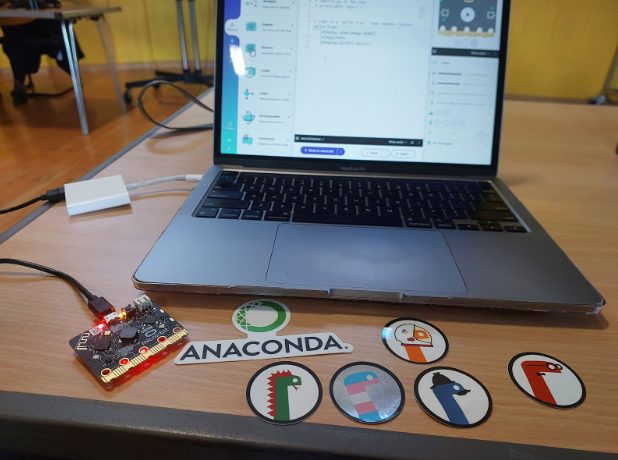
Image: Picture at a PyCon UK 2025 workshop, image by me.
Day 3 also had talks and workshops running in parallel. The day began with a keynote by Sheena O’Connell titled “Playing the Long Game.” I really appreciated the advice Sheena shared for early-career professionals. When it comes to using GenAI and LLMs, Sheena emphasised that while they are great as a starting point, it is still essential to understand what the generated code actually does.
I participated in three hands-on workshops:
1. What We Can Learn from Exemplary Python Documentation by Christian Heitzmann
In this workshop, we explored documentation tools used in well-known Python projects such as NumPy and pandas. It was a very practical session that gave insights into how good documentation is structured and maintained.
2. Theming Workshops for Education via “Coding a Satellite” by Sarah Townson
This was an excellent workshop by Sarah, where she walked us through her process for designing programming workshops for school students. I got hands-on experience writing simple programs using the child-friendly interface of the learning platform.
A unique part of the workshop was working with micro:bit devices - small boards with mounted LEDs. We coded using the Code with Mu editor, which provides several ready-to-run modules with sample code that can be modified. Each participant was given a micro:bit, and it was a lot of fun seeing our code come alive on the device.
3. How to Measure and Elevate Quality in Engineering Practice by Daniele Procida
The final workshop of the day was a brainstorming session led by Daniele Procida, Director of Engineering at Canonical. He introduced a team-progress tracking system with multiple maturity levels, each containing sub-goals. He set up a system where teams can choose which sub-goals they want to focus on within a given level. This self-reporting system - centred on small, incremental, and realistic progress steps - has proven effective precisely because teams are free to choose their path.
Day 4
Day 4 was intentionally shorter after three intensive days of talks and workshops. It was the Dev Day, where around ten organisations presented their open-source projects and invited participants to contribute - whether through ideas, documentation, or code!
I contributed to the ‘ACTS Research Software Stories’ component of the {RSQ}Kit, developed within the EVERSE project. The dev sprint was hosted by Michael Sparks and Caterina Doglioni from the University of Manchester.
Please feel free to check out my contributions through this GitHub link!
Social Sessions
Across the conference days, PyCon UK 2025 offered plenty of opportunities to unwind, connect, and discover new experiences beyond the talks and workshops.
Day 1
I attended a live reading of “Ada: A play inspired by Ada Lovelace”, written by Pythonista Emily Holyoake. The play beautifully weaves Ada Lovelace’s life with a contemporary narrative on artificial intelligence. With one director and five readers voicing Charles Babbage, Ada Lovelace, Lady Byron, a learning machine named Ginny, and a journalist, the one-hour reading felt incredibly immersive. It transported me to the 19th century, reminding me of Ada’s pioneering contributions to computing, mathematics, and imagination itself. Her legacy continues to inspire all who want to think beyond, and especially women in STEM.
Day 2
I spent the evening in a lively round of Scrabble and Taboo. It was energising to stretch my brain both for forming clever Scrabble words and for guessing (or explaining!) tricky Taboo prompts. Lots of laughter, lots of competition.
Day 3
A group of us headed out to a Middle Eastern restaurant, where I enjoyed Baba Ghanoush with warm pita bread - a simple but delightful end to a long day.
Throughout the conference, during the welcome and closing sessions, Mark Smith kept the whole room entertained with his iconic tractor jokes - ones that I find myself still laughing at!
Coming soon: A Django web app I built during one of the workshops - stay tuned!
Bookmark this page
Bookmarked
Co-Creating DAHRSE Midlands: Vision, Voices, and Next Steps
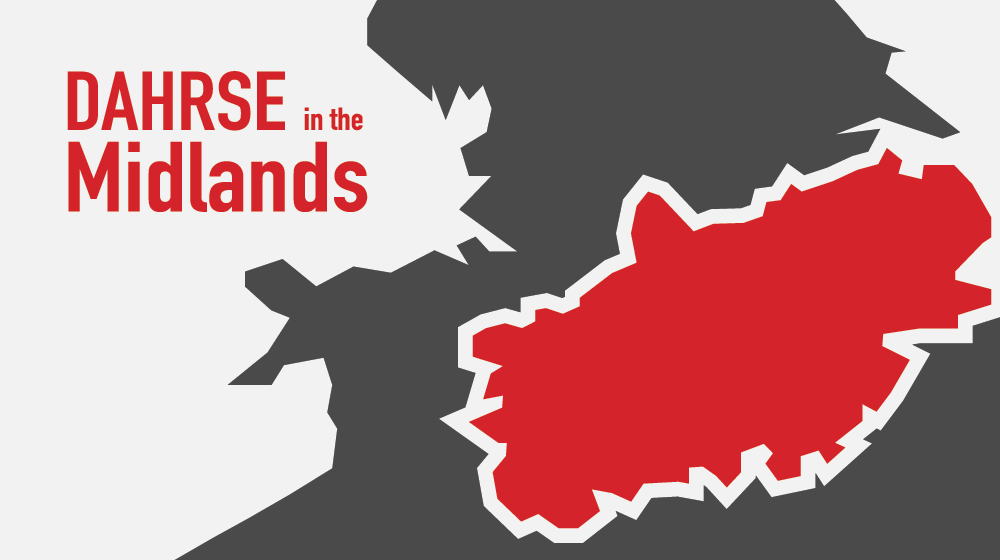
In November 2025, the Digital Arts and Humanities Research Software Engineers Midlands (DAHRSE Midlands) community gathered online for its first meeting. The theme “Co-Creating DAHRSE Midlands: Vision, Voices, and Next Steps” was all about collaboration, inclusivity, and building momentum for Digital Arts and Humanities Research Software Engineering in the Midlands.
The DAHRSE Midlands community is growing as a collaborative space for Digital Arts and Humanities Research Software Engineers (RSEs) across the region. This meeting focused on shaping our shared vision, amplifying voices, and planning actionable next steps to strengthen our network.
This event was proudly supported by the Software Sustainability Institute (SSI) via their fellowship programme; their commitment to building sustainable software communities made this event possible.
Highlights from the Talks
Welcome & Vision Setting
Godwin Yeboah, from the University of Warwick and SSI Fellow, introduced the DAHRSE Midlands initiative, outlining its goals, objectives, and early activities. These were further discussed during the community discussion section, where members contributed ideas and feedback.
He also proposed a desktop study titled:
“Exploring the Landscape of Digital Arts and Humanities Research Software Engineers in the Midlands: A Preliminary Desktop Study and Working Paper.”
This study aims to explore the institutional landscape of DAHRSEs in the Midlands—mapping where Digital Arts and Humanities Research Software Engineers are based, particularly within universities, the GLAM sector (Galleries, Libraries, Archives, and Museums), and research groups. It will examine their contributions, especially those visible online, and highlight the roles these RSEs play within their respective institutions.
Working research question:
What is the current landscape of Research Software Engineers in the Digital Arts and Humanities in the Midlands, and how do they contribute to, and impact the field?
This initiative and the proposed study represent an important step toward understanding and strengthening the role of RSEs in the digital arts and humanities ecosystem.
Browser Extensions for Accessibility Testing
Catherine Smith, from the University of Birmingham and SSI Fellow, demonstrated practical tools for manual accessibility testing of websites—an essential step beyond automated CI tools. Her talk highlighted how browser extensions can help improve accessibility compliance in humanities web projects.
Catherine reminded us why manual accessibility checks matter:
“Automated tools can only take you so far—manual checks are essential to check accessibility criteria are being met.”
She demonstrated browser extensions that make manual accessibility testing easier and more effective, helping humanities web projects ensure that there are no barriers for people interacting with the material and also that they comply with legal standards.
Tools mentioned:
Reuse, Remake, Recycle: Working with Older Mobile Devices
Iain Emsley, from the University of Warwick, shared insights from a project using older mobile devices for AI mapping in urban spaces. His discussion raised critical questions about planned obsolescence, sustainability, and policy implications for Digital Humanities hardware projects.
Iain’s talk sparked a fascinating discussion on sustainability and innovation:
“Planned obsolescence creates challenges—but it also opens creative possibilities for reusing older hardware.”
He shared lessons from a project using old mobile phones for artificial intelligence (AI) mapping, raising questions about policy, testing constraints, and the skills needed to keep legacy devices in play.
Community Discussion: Shaping the Future (Together)
The most dynamic part of the meeting was our open discussion. A clear theme emerged: start small, grow organically. Rather than chasing big, shiny ideas, we’re building momentum through doable, repeatable activities that help people connect and share.
Activities that build connection and skills
- Short talks, lightning demos (tools and techniques), and show‑and‑tells (experiences and insights) to share best practices.
- Informal Teams chats to surface topics and quick wins.
- Resource repositories on our website—starting with practical collections (e.g., accessibility tools) that teams can use immediately.
- Joint seminars with RSE Midlands and participation in external activities led by SSI and SocRSE.
Growing an inclusive membership
We agreed to refine the “Join our community” page so it reflects the breadth of roles in our space—especially those without a formal “RSE” title who still write code, build workflows, or steward research software.
Guiding questions we’ll feature:
- Do you work in the GLAM sector and write code?
- Do you work in Digital Arts & Humanities and write some code or work with research software?
We’ll also conduct a desktop study (see above) to understand the regional landscape and publish blogs that share ideas and practice.
Communication & onboarding
To improve visibility and make joining easier, we’re streamlining our channels and processes:
- Mailing list
- Slack channel
- Joining process: see landing page.
- Community website
- Community logo
- Social media channels:(Bluesky, Mastodon,X - formerly Twitter)
For those who prefer updates without formal membership, we’re adding a “Stay informed without joining” option on the website.
Acknowledgment
A big thank you to the Software Sustainability Institute (SSI) for sponsoring and supporting this meeting and overall initiative. Their work in promoting sustainable software practices continues to empower communities like ours.
Thanks also to DAHRSE community members Catherine Smith and Iain Emsley for their insightful talks and contributions to the discussion. We would also like to acknowledge SSI Fellow Iain Barrass for kindly volunteering to review our draft.
What We’re Doing Next
We agreed to:
- Refine communication channels and onboarding to make it easier to connect and participate.
- Iterate on community activities (talks, demos, resource pages) for steady, organic growth.
- Conduct desktop study and publish blog posts that share findings, ideas, and best practices.
Get Involved
Want to help shape the future of DAHRSE Midlands?
- Join the conversation: Use our Slack channel, mailing list, or social media channels (Bluesky, Mastodon,X - formerly Twitter.
- Sign up for updates:
- Showcase your profile on our website:
- Propose a lightning talk or resource: We welcome ideas—from accessibility toolkits to case studies of DH software in practice.
Together, we’re building a connected, sustainable community for Digital Arts & Humanities RSEs in the Midlands—one small, purposeful step at a time.
Bookmark this page
Bookmarked

CaSDaR for professionalisation of data stewardship roles in the UK
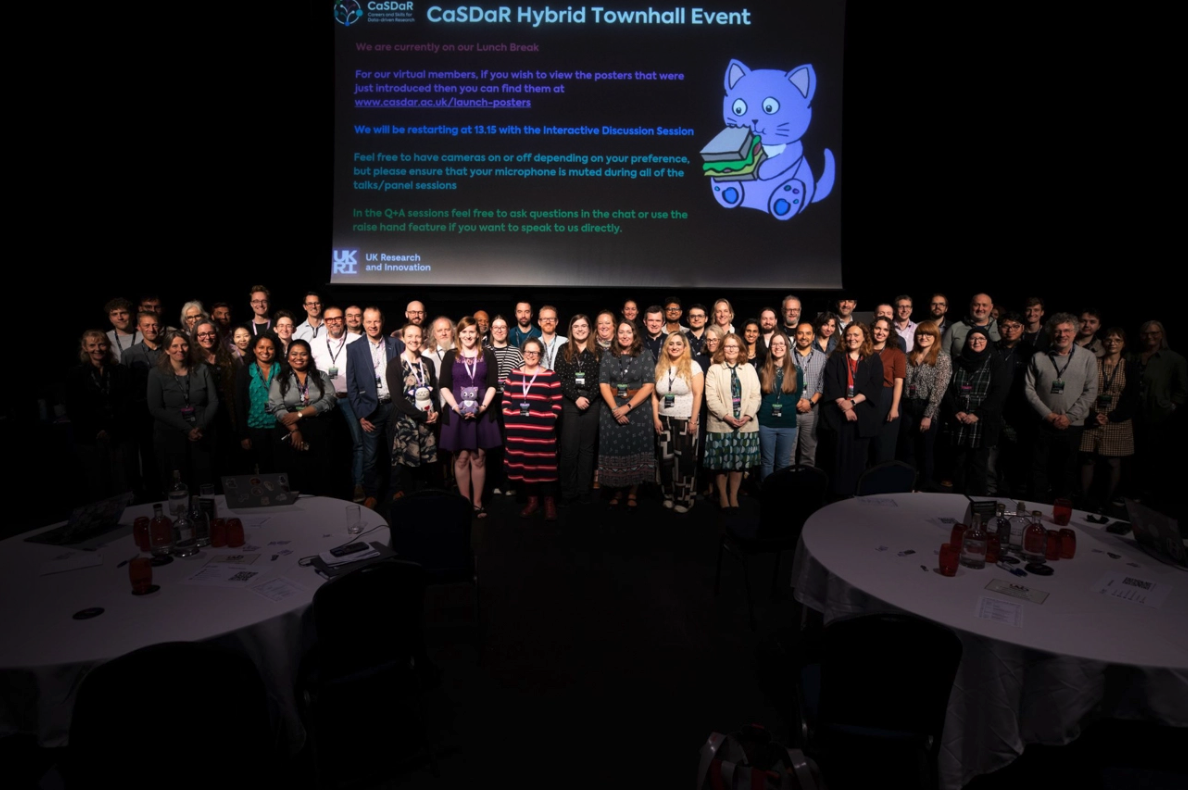
In 2025, I attended the launch of the CaSDaR Network+ platform in Birmingham, UK. Careers and Skills for Data-driven Research (CaSDaR) aims to help to define the role of Data Stewards within the UK research landscape and advocate for their recognition and representation across institutions. The programme featured insights from its project partners ELIXIR-UK, UK Reproducibility Network, Digital Curation Centre and Physical Sciences Data Infrastructure, and culminated with the launch of the CaSDaR funding call.
I delivered a lightning talk about the DIRECT, the UK community developed Research Technical Professionals (RTP) skills framework (see previous SSI blog posts). There was ample opportunity to discuss common interests with people from across the country and further during the poster sessions.
A highlight for me was the keynote presentation by Anneke Lubben (University of Bath). She spoke about leadership from the perspective of someone who progressed from a research technical professional background, rather than a traditional academic route. When presented with a crisis, she advises people to focus on fires not fireworks: Fireworks will happen regardless but will fizzle out whatever you do; fires will generally burn the house down so you need to get involved. If you can identify whether the crisis is a fire or a firework, proceed accordingly.
Finally, a takeaway action I set myself was to look into the RCM Cooperative, for research community managers. This new initiative was described by SSI Fellow Emma Karoune as part of her presentation on the Turing Way, and is another network of people in roles similar to my own. I plan to find more opportunities here to collaborate and share experiences so that I can continue to improve my professional development.